
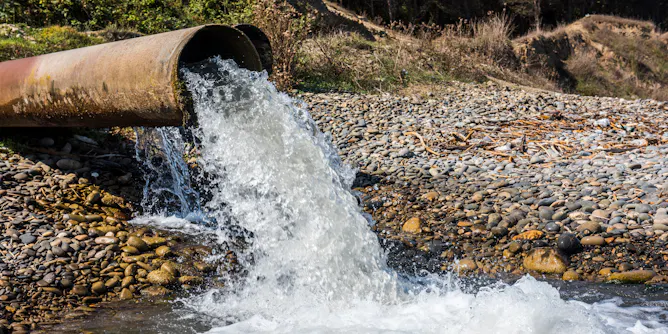
Water and sewerage companies should not be responsible for reporting pollution.
Articles on Stormwater
Displaying 21 - 37 of 37 articles
Natural assets produce important city services and complement engineered infrastructure. Investing in natural assets can help protect our environment, reduce municipal service costs and create jobs.
The coronavirus pandemic has highlighted the lack of green space available to those living in urban areas. Cities must be managed as ecosystems to make them more liveable and resilient.

Warmer waters, heavier storms and nutrient pollution are a triple threat to Great Lakes cities’ drinking water. The solution: Cutting nutrient releases and installing systems to filter runoff.
Research into public health benefits of integrating nature into cities has focused on green spaces. New studies suggest water features are just as useful and can piggyback on other infrastructure goals.
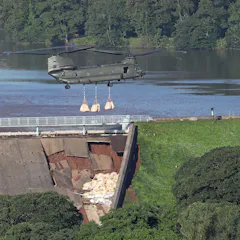
The damage to the dam holding back a reservoir just a mile from the nearest town downriver should focus minds on ensuring civil infrastructure is maintained.
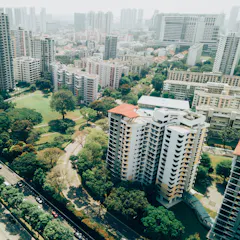
As the population of the world’s cities grows, so too does resource and energy use as well as waste generation. We can combat these issues with a circular economy that uses nature as a template.
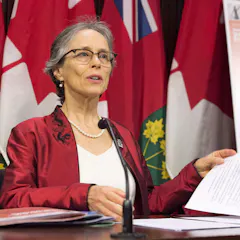
Premier Doug Ford’s proposal to downgrade Ontario’s environmental watchdog is bad news for the environment, public health and safety, and evidence-based decision-making.
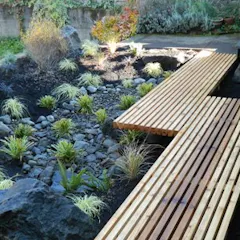
Faced with a drought, it’s tempting for cities to reduce the amount of space that needs water. But this is not a good idea.
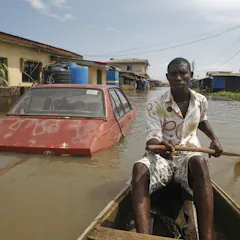
Heavy rains, poor and clogged drainage systems have made many towns and cities in Nigeria susceptible to massive flooding.
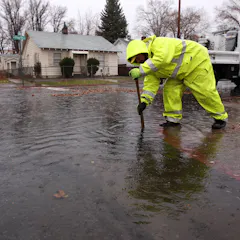
The US wants to invest in more infrastructure to handle our rainfall and melted snow. Stormwater credits could help cut costs and protect the environment.
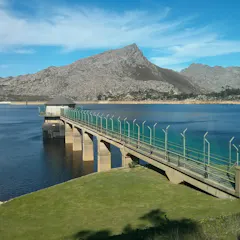
Building resilience in Cape Town’s water sector will require addressing risks like climate change, drought and flooding. Stormwater and groundwater are tipped as potential solutions.
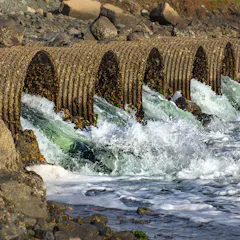
Stormwater harvesting offers an alternative water supply source. It’s almost entirely untapped in South Africa and could ensure improved water security across the country.
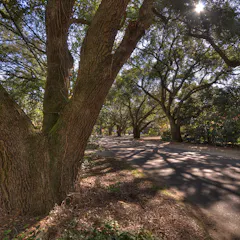
Cutting-edge urban foresters argue not only for the intrinsic value of trees but also for the many economic and health benefits.
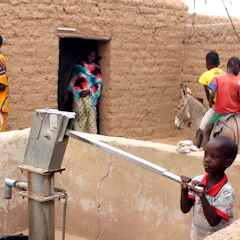
Geosciences can be a valuable tool in the fight to provide Sub-Saharan Africa with safe drinking water.
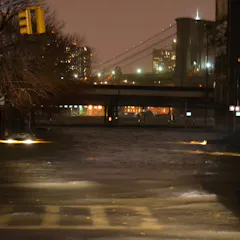
Study finds higher risk of flooding from a combination of storm surge and heavy precipitation, particularly along the East Coast of the US.
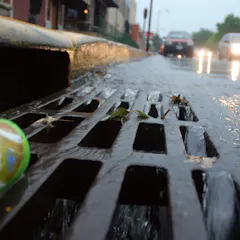
Built-up urban environments transform the resource of rainwater into wasted runoff. Low Impact Development mimics nature to help get stormwater into the natural water system.
Top contributors
-

Senior Lecturer in Urban Planning, University of Auckland, Waipapa Taumata Rau
-
Assistant Professor, University of Central Florida
-
Associate Professor, Department of Geography, Environment and Geomatics, University of Guelph
-
Professor and Director of the Institute for Water Research, Rhodes University
-
Associate Professor, Associate Chair of Graduate Studies for Environmental Engineering, and Canada Research Chair in Stormwater and Low Impact Development (Tier II), Carleton University
-
Professor of Civil, Architectural and Environmental Engineering and Director, Sustainable Water Resource Engineering Laboratory, Drexel University
-
Senior lecturer, Nelson Mandela University
-
Professor of Architecture, Director of the Metropolitan Design Center, and Dayton Hudson Chair in Urban Design, University of Minnesota
-
Associate Professor of Civil and Environmental Engineering, Vanderbilt University
-
Professor of Environmental Microbiology, University of Brighton
-
Associate Professor in Environmental Science, Western Sydney University
-
Director and Professor, Great Lakes Institute for Environmental Research, University of Windsor
-
Deputy Dean of the Faculty of Design and Creative Technologies, Auckland University of Technology
-
Master's Candidate, School of Planning in the Faculty of Environment, University of Waterloo
-
Visiting professor, University of Saskatchewan