

Green ratings are growing in South Africa, mainly for upgraded older buildings, but some low scores suggest buildings may appear greener than they are.
Articles on Rainwater
Displaying 1 - 20 of 29 articles
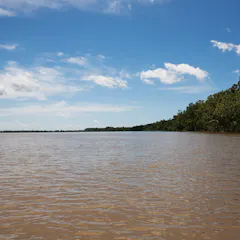
Brazil holds 12% of the world’s freshwater reserves and yet growing water insecurity reveals some of the country’s deepest sanitation inequalities, which are particularly relevant to Marajó, its largest coastal island.

The heatwave in May meant people started to use more water to stay cool, and on their plants.
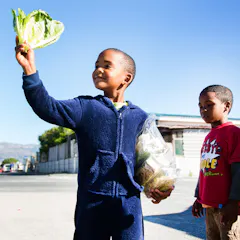
As food and living costs rise, rooftop solar and rainwater harvesting could help low income South African households save money and buy more food.
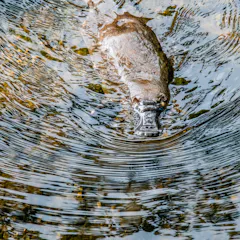
New technology allows networks of rainwater tanks to work together to benefit households and the environment.
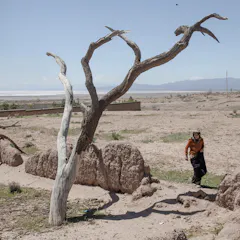
Iran is struggling with a massive water crisis, this is a global phenomenom.
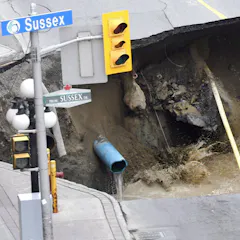
Sinkholes are not just costly inconveniences, they are growing threat to commercial activities, livelihood and property and are increasing in frequency due to climate change.

Climate adaptation projects in high conflict areas like South Sudan work best if they’re designed to help communities manage many problems at once.
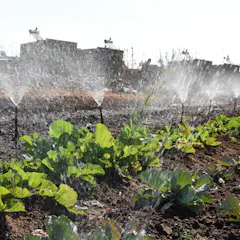
Researchers are tracking multi-drug resistant bacteria in South Africa’s water to see how it endangers food safety when it’s used to irrigate crops.

Builders knew how to keep people cool in hot, dry climates thousands of years ago. It’s time to get that knowledge back.

Water is everywhere, but freshwater supplies are limited on many Caribbean islands. Rising demand and climate change are worsening water shortages for the people who live here.

The UK’s Victorian-era sewer network is at breaking point.
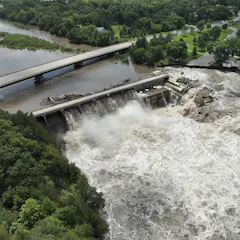
Heavier rainfall and more frequent storms raise the risk of floodwaters running over or around dams, potentially causing them to fail.
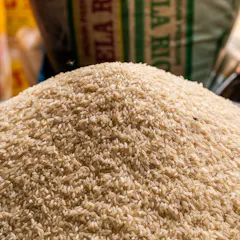
Nigeria can produce more rice to feed its burgeoning population by harnessing its wastewater.

Rainwater may be contaminated with chemicals and scientists are still uncertain about their effects.
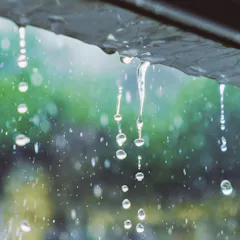
Rainwater is a vital resource in many communities, but it’s not always safe to use. This sustainable and cheap invention could help many households in remote areas.
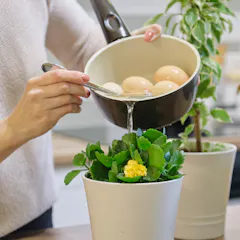
Rationing water at home will benefit moisture-starved ecosystems.
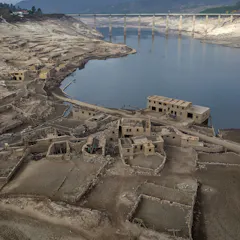
Water is central to adapting to climate change, but very few of the strategies put in place to respond to water hazards or ensure its availability have been evaluated.

Britain’s electricity supply is getting greener but the burning question remains over how to decarbonise heating.
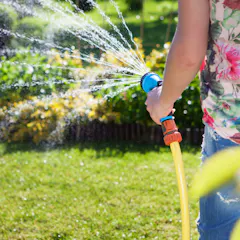
Plants can find it tough to get all the nitrogen they need, especially from Australian soils. But summer storms can provide an added boost.
Top contributors
-

Assistant Professor of Emergency and Disaster Health Systems, University of Maryland, Baltimore County
-
Associate Professor in Environmental Science, Western Sydney University
-
Senior research scientist, Stellenbosch University
-
Researcher, Department of Environmental Science, Stockholm University
-
Senior lecturer, Nelson Mandela University
-
Honorary Fellow, Infrastructure Engineering, The University of Melbourne
-
Senior Lecturer, Western Sydney University
-
Postdoctoral fellow, University of Cape Town
-
Associate Dean for Academic Affairs, Associate Professor of Environmental and Natural Resources Law, University of Oregon
-
Postdoctoral Research Associate at the School of Biosciences, Cardiff University
-
Programme coordinator, water management, Center for International Forestry Research – World Agroforestry (CIFOR-ICRAF)
-
Postdoctoral Fellow in Geotechnical Engineering, University of Toronto
-
Lecturer, Western Sydney University
-
Professor, Western Sydney University
-
Associate Professor, Associate Chair of Graduate Studies for Environmental Engineering, and Canada Research Chair in Stormwater and Low Impact Development (Tier II), Carleton University