
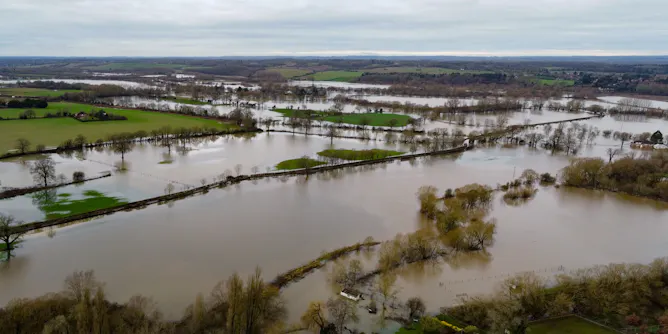
We have built the system to shed much of the surplus rather than keep it. We allow a wet winter to rush away, then ration what remains through a dry summer.
Articles on Sponge city
Displaying all articles
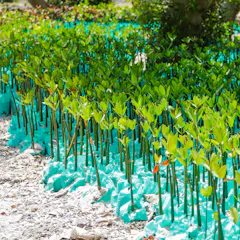
Universities in Senegal and South Africa are now teaching the skills of setting up nature-inspired projects to deal with some of the problems of climate change.
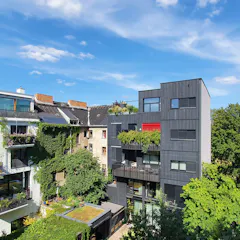
The majority of 25 surveyed developments around New Zealand lacked healthy, ecologically meaningful vegetation. Applying biodiversity targets for medium-density housing could turn this around.
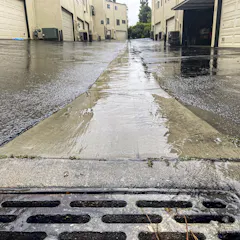
US cities are doing green infrastructure, but in bits and pieces. Today’s climate-driven floods require a much broader approach to create true sponge cities that are built to soak up water.
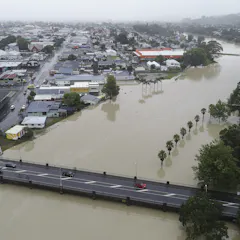
A new report sets out the practical ways New Zealand can improve its urban resilience to flooding due to climate change. But time, rather than money, is of the essence.
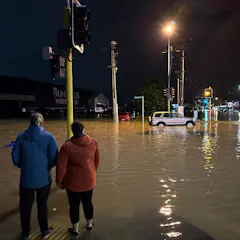
Flood and cyclone damage shows why turning Auckland and other urban parts of New Zealand into ‘sponge cities’ is the right idea. But overseas experience from China and beyond shows it won’t be cheap.
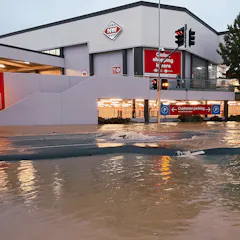
The more hard surfaces we build, the more stormwater we need to drain. Auckland must future-proof its urban design as climate change bites.
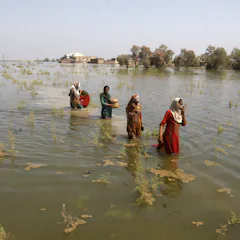
To keep up with climate-related disasters, we need transformational solutions. These range from ‘sponge cities’ and floating houses to putting out bushfires minutes after they start.
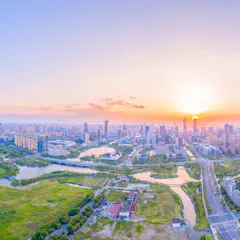
Flood threatened settlements must get everyone involved in an effort to become truly resilient cities.
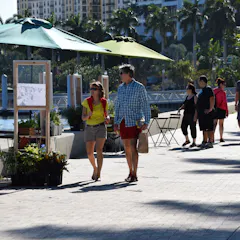
Research into public health benefits of integrating nature into cities has focused on green spaces. New studies suggest water features are just as useful and can piggyback on other infrastructure goals.
Top contributors
-

Senior Lecturer in Urban Planning, University of Auckland, Waipapa Taumata Rau
-
Associate Professor of Environmental Sciences, University of Nottingham
-
Head, Disaster Solutions, Australian National University
-
Professor of Design and Health and Director of the Center of Design and Health at the Architecture School, University of Virginia
-
Professor of Civil, Architectural and Environmental Engineering and Director, Sustainable Water Resource Engineering Laboratory, Drexel University
-
Associate Professor in Geography, York St John University
-
Associate Professor in Regenerative Architecture, Auckland University of Technology
-
Post-doctoral Researcher in Ecology, Te Herenga Waka — Victoria University of Wellington
-
Professor of Ecology, University of Otago
-
Researcher, ARUA Water Centre of Excellence, Institute for Water Research, Rhodes University
-
Associate Professor at the ARUA Water Centre of Excellence Academic Manager, Institute for Water Research, Rhodes University
-
Postdoctoral fellow, Rhodes University
-
Professor, Climate | Policy | Sustainability, York St John University
-
Regius Professor of Meteorology and Climate Science, University of Reading
-
PhD Candidate in Ecology, University of Otago