

We are all familiar with the built infrastructure we rely on every day. However, we don’t think as much about the critical value of nature.
Articles on Green infrastructure
Displaying 1 - 20 of 50 articles
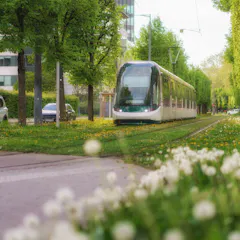
Planting grass or succulents along tram tracks can cool streets, cut pollution and make cities feel more beautiful.

The Big Cypress fox squirrel is losing its habitat to urban and suburban development. But a few design changes could help to save this and other species.
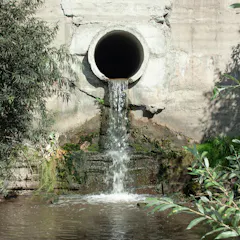
Cities need to find new ways to handle rainwater, especially in the face of climate change. Green infrastructure offers a way to tackle this challenge.
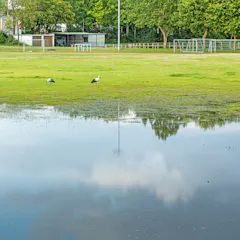
As mums, it’s been frustrating to see so many of our kids’ sport matches cancelled due to waterlogged grounds. Research shows how we can tackle this through smarter design and green infrastructure.
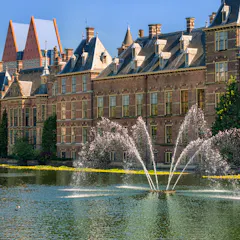
From special paving to green walls, the recent Cool Towns project highlights the best ways to protect urban areas, and the people living there, from the effects of heatwaves.
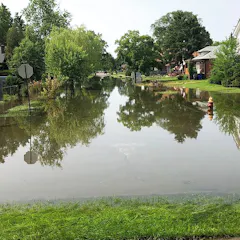
Mapping where water once flowed is important for managing flood risk today in Detroit and elsewhere.
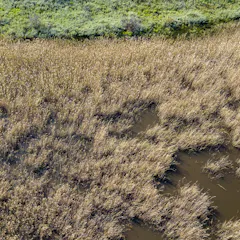
Wetlands can prevent flooding, trap carbon and support livelihoods, as long as they are protected and managed.

Canada should invest in sustainable transportation infrastructure to accelerate the green transition.
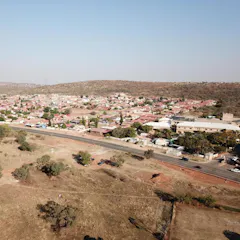
South Africa needs to integrate urban green spaces as part of valuable infrastructure and provide framework for their sustainability.
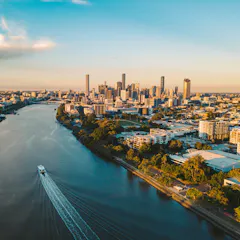
What steps is the state government taking to bring Brisbane closer to being a smart city while managing rapid growth? And what differences can city residents expect to see for themselves?

The scenarios provide plausible and possible alternatives for futures of industrialisation. They also alert decision makers to desired and undesired development pathways.

Experts in city government are missing the perspective of residents.
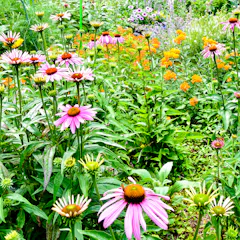
Cities are among the harshest habitats on Earth. But when planned properly, private gardens can help improve their liveability.

Cities occupy just 3% of the Earth’s surface, yet more than half the world’s population live in urban environments. We need nation-wide plans to keep our cities cool so no one gets left behind.
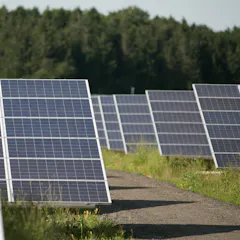
Slashing carbon emissions by 68% by 2030 will depend on using the UK’s infrastructure strategy effectively.

The states are primarily responsible for providing infrastructure, but lack the budgets, especially since the pandemic hit revenues. Making up the shortfall depends very much on the Commonwealth.
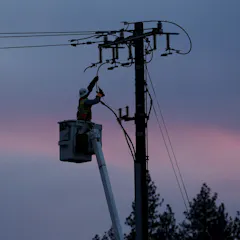
In an era of climate change and extreme weather, a microgrid — a self-sufficient, energy-generating distribution and control system — puts communities on the path to self-reliance.
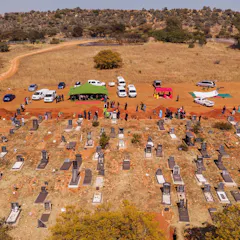
Municipalities are now forced to identify new cemetery planning methods and models that are environmentally sensitive and consistent with diverse cultural practices, and facilitate social cohesion.
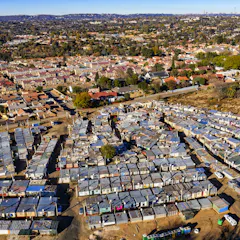
In South African cities there’s an uneven distribution of trees, greenery and parks across racial and income geographies.
Top contributors
-

Professor of Human Geography and Planning, University of Tasmania
-
Senior Lecturer in Urban and Environmental Planning, Griffith University
-
Postdoctoral Research Fellow, The University of Queensland
-
Research Assistant, School of Ecosystem & Forest Sciences, The University of Melbourne
-
Professorial Research Fellow, Victoria University
-
Research Fellow in the Victorian Institute for Strategic Economic Studies, Victoria University
-
Academic, Landscape Architecture and Urban Ecology, The University of Melbourne
-
Lecturer, Australian Urban Design Research Centre, The University of Western Australia
-
Senior Research Fellow, Healthy Liveable Cities Group, Centre for Urban Research, RMIT University
-
Illinois Research Climatologist, University of Illinois Urbana-Champaign
-
Adjunct Senior Lecturer, School of Architecture and Built Environment, University of Newcastle
-
Deputy Head of School, School of Architecture and Built Environment, University of Newcastle
-
Senior Vice President for Agriculture and Natural Resources and Professor of Wildlife Ecology and Conservation, University of Florida
-
Enseignant chercheur, Université de Rouen Normandie
-
Professor and Head of School of Architecture and Built Environment, University of Newcastle