

Psychosocial and economic stressors can affect health, but neither our doctors nor our health-care system have the tools to integrate these factors into diagnoses or care. Play offers an alternative.
Articles on Stigma
Displaying 81 - 100 of 171 articles
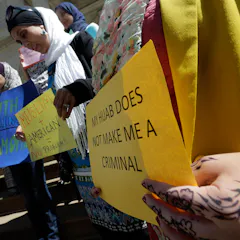
In examining media coverage of Muslims over a 21-year period, in the US, UK, Canada and Australia, scholars found that articles mentioning Muslims were far more negative than other faith groups.

We need to learn the lessons from the HIV/AIDS epidemic and avoid stigmatising men who have sex with men.

Because they help to create a shared understanding, metaphors can play a critical role in navigating the gap between the knowledge patients and health-care providers bring.

Social media platforms can be put to great use when it comes to promoting sexual health. But invoking threats and fear limits information reach and impact.
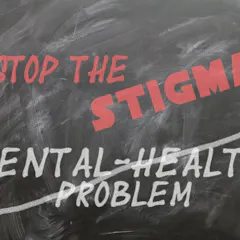
Despite advances in human rights and treatments, stigma toward individuals diagnosed with mental illness is common in Ghana.

In any given year, one in five people in Canada will personally experience a mental health problem or illness. Despite this number there’s still massive stigmatization.

Arts-related activities for people living with Alzheimer’s and other related disorders could improve people’s quality of life, but collaborating in communities requires a common language.

The legacy of eugenics is still active in the U.S. Paternalistic attitudes and policies on the reproductive agency of disabled people is one way it manifests.

Current HIV criminal laws increase HIV stigma and discrimination against marginalized people – and negatively affect public health.

Islamophobia increased post-9/11. Twenty years later, American Muslims are still dealing with the mental health effects – and research barriers limit what is known about what puts them at risk.

The impacts of the pandemic on students and the stigma of having had COVID-19 could be leading to bullying. It’s a complex situation, requiring schools, parents and medical experts to work together.

Detecting food insecurity requires more than assessing what’s in your refrigerator or measuring the distance between your home and the closest supermarket.
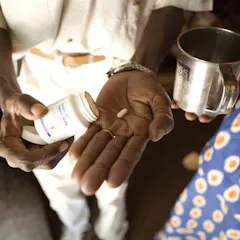
There are currently 1.2 million Ugandans enrolled on antiretroviral therapy (ART). They are especially affected by the lockdown.

Psychological theory and evidence do not support fear appeals overall.

The motives and biases behind our actions shape how we see the world and everything in it. Understanding our biases means we can contain their negative influence and advance justice in our society.

Because of their appearance, people with albinism in Tanzania are often socially excluded and frequently (and sometimes violently) discriminated against.
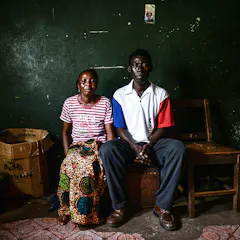
Ebola survivors use multiple avenues to address their health needs, which presents a management challenge.

The Senegalese culture of discretion, called “sutura”, inhibits survivors of sexual violence from publicly denouncing perpetrators.
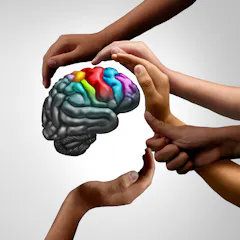
‘Dementia friendly’ communities seek to support people with memory loss, recognize them as equals, celebrate their contributions and enable them to live with purpose in welcoming communities.
Top contributors
-

Associate professor, Psychiatry, Western University
-
Senior Research Fellow, Melbourne Institute of Applied Economic and Social Research, The University of Melbourne
-
Principal Research Fellow, Australian Research Centre in Sex, Health and Society, La Trobe University
-
Research Director at The Health Economics and HIV and AIDS Research Division (HEARD), University of KwaZulu-Natal
-
Professor, School of Health Sciences, University of Northern British Columbia; University of Victoria
-
Professor of Health Economics, The University of Melbourne
-
Professor of Gender Studies, Chair in Sex Media and Sex Cultures, Linköping University
-
Professor of Sociology & Director, Sydney Centre for Healthy Societies, University of Sydney
-
Reader in Gender Studies, Liverpool John Moores University
-
Foundation Director, Australian Centre for Behavioural Research in Diabetes, Deakin University
-
Professor of medicine and deputy director of the Desmond Tutu HIV Centre at the Institute of Infectious Disease and Molecular Medicine, University of Cape Town
-
Health Systems Researcher, Makerere University
-
Post-doctoral research fellow, University of KwaZulu-Natal
-
Associate Professor, The University of Melbourne
-
Senior Lecturer in Psychiatry, UNSW