

Single mothers I interviewed described feeling isolated, stigmatised and frustrated with negative stereotypes.
Articles on Stigma
Displaying 121 - 140 of 171 articles

HIV is a condition that must be managed, not just medically, but also socially, tackling stigma, social anxieties and the risks of disclosure.
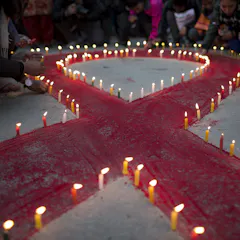
Communities continue to be vital in efforts to bring the pandemic under control. They are the custodians of rich knowledge that creates the context in which HIV transmission occurs.

The British Psychological Society is calling for a language change, from ‘obese people’ to ‘people living with obesity’. But using the word obesity can reinforce rather than prevent stigma.

The myth that children grow out of autism can prevent parents from seeing and accepting their child as the wonderful human being they are and recognising their strengths.

How to support students from diverse backgrounds to appreciate the inherent value of engaging one another in close friendships remains a question for educators.

Media coverage often uses the label ‘homeless’ in ways that link the plight of tens of thousands of Australians to criminality. But a homeless person is much more likely to be vulnerable than violent.
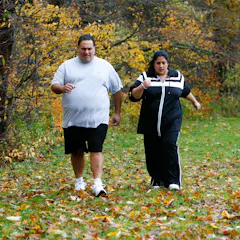
One year ago, Ellen Maud Bennett asked women of size to make her death from cancer matter – by advocating for their own health.

We don’t know the exact path towards radicalisation, so giving teachers signs to look for is dangerous.

Christchurch is now inextricably associated with the mass shootings at two mosques in which 50 people died. So what can a city do when its name become synonymous with such an event?

Sierra Leone has declared a national emergency to combat rape and sexual violence.

Targeted health campaigns can actually leave local people with a greater sense of shame – without helping them kick unhealthy habits.

Awareness campaigns can only go so far to stopping the stigmatization of mental health. Change occurs once we stop shaming ourselves and others for our bias.

Chhaupadi, the practice of exiling menstruating women and girls from their home, often to a cow shed, is still practised in some areas of Western Nepal.

Researchers from the BC Centre for Excellence in HIV/AIDS share the latest research on HIV prevention, treatment and stigma.

The tombstone, revolver and grim reaper imagery of the 1980s and early 1990s have cast a long shadow.

Introducing companion animals to South African prisoners and encouraging them to write could aid their rehabilitation.
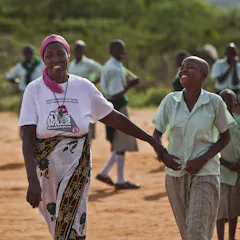
Research shows that Aspirin could reduce the number of HIV infections in women at high risk for HIV, such as Kenyan female sex workers.

Art can be a powerful means to confront and subvert stigma around menstruation.

Art is no cure all. But it can open up new spaces for us to ask new questions.
Top contributors
-

Associate professor, Psychiatry, Western University
-
Senior Research Fellow, Melbourne Institute of Applied Economic and Social Research, The University of Melbourne
-
Principal Research Fellow, Australian Research Centre in Sex, Health and Society, La Trobe University
-
Research Director at The Health Economics and HIV and AIDS Research Division (HEARD), University of KwaZulu-Natal
-
Professor, School of Health Sciences, University of Northern British Columbia; University of Victoria
-
Professor of Health Economics, The University of Melbourne
-
Professor of Gender Studies, Chair in Sex Media and Sex Cultures, Linköping University
-
Professor of Sociology & Director, Sydney Centre for Healthy Societies, University of Sydney
-
Reader in Gender Studies, Liverpool John Moores University
-
Foundation Director, Australian Centre for Behavioural Research in Diabetes, Deakin University
-
Professor of medicine and deputy director of the Desmond Tutu HIV Centre at the Institute of Infectious Disease and Molecular Medicine, University of Cape Town
-
Health Systems Researcher, Makerere University
-
Post-doctoral research fellow, University of KwaZulu-Natal
-
Associate Professor, The University of Melbourne
-
Senior Lecturer in Psychiatry, UNSW