

A person with Tourette syndrome who holds back their tics may look fine, but keeping these involuntary urges contained can be draining.
Articles on Stigma
Displaying 1 - 20 of 171 articles

Seeing a loved one lose significant weight or struggle with eating and exercise can be concerning. Approaching a conversation with respect and care can avoid the harms of speculation and silence.

Are you straight, lesbian, gay, bisexual, pansexual, asexual or another sexual orientation? The census wants to know. Here’s why.

Young people are telling us their mental health is suffering. A new study shows why we should believe them.

Two experts explain why we must view addiction as a health condition, not a moral failure.

Guilt and shame from being rejected, discriminated against or bullied as a child can carry into adulthood. But making meaning from these experiences can help with healing.
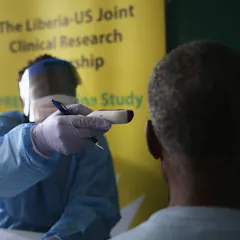
10 years after official end of the Ebola pandemic, very few people know that survivors have struggled to continue with their lives.

First-trimester screening and intervention has the greatest potential to prevent maternal syphilis. But 1 in 4 pregnant people do not have access to prenatal care during the first trimester.

A researcher examines the bad press surrounding absinthe which led to its ban in France in 1915, while drawing parallels with more recent, ‘scathing’ examples of scapegoating and social control.

Legal frameworks that only regulate formal psychiatric facilities are written for a system the majority will not use.

A nurse scientist interviewed 29 formerly incarcerated Black men in Philadelphia to understand how they address their mental health needs.

The mental health disorders TikTok loves, and those it hates.

Obscene language tics, called coprolalia, don’t reveal what people with Tourette’s think and feel. In fact, tics often compel people to say or do precisely what they most wish to avoid.
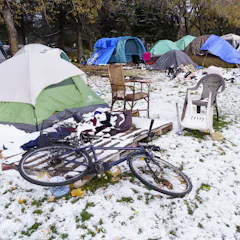
An estimated 22.5 per cent of people experiencing homelessness live with moderate or severe brain injuries — a rate nearly 10 times higher than the general population.

Researchers describe what they call a consumption stigma – when you feel judged or looked down on for using certain products or services.

Dementia today occupies the same stigmatized, system-neglected space that cancer did half a century ago. And history shows us that stigma, not simply the absence of cures, delays progress.

Chatter in social media communities sheds light on a hidden population of substance users.

Celebrity stories show that prayer plays a central role in how celebrities and Ghanaians cope with mental illness.

Classifying aging as a disease would risk stigmatizing older age and exacerbating ageism.

Treating people with dementia as full, thriving human beings requires awareness of stigma and simple communication strategies.
Top contributors
-

Associate professor, Psychiatry, Western University
-
Senior Research Fellow, Melbourne Institute of Applied Economic and Social Research, The University of Melbourne
-
Principal Research Fellow, Australian Research Centre in Sex, Health and Society, La Trobe University
-
Research Director at The Health Economics and HIV and AIDS Research Division (HEARD), University of KwaZulu-Natal
-
Professor, School of Health Sciences, University of Northern British Columbia; University of Victoria
-
Professor of Health Economics, The University of Melbourne
-
Professor of Gender Studies, Chair in Sex Media and Sex Cultures, Linköping University
-
Professor of Sociology & Director, Sydney Centre for Healthy Societies, University of Sydney
-
Reader in Gender Studies, Liverpool John Moores University
-
Foundation Director, Australian Centre for Behavioural Research in Diabetes, Deakin University
-
Professor of medicine and deputy director of the Desmond Tutu HIV Centre at the Institute of Infectious Disease and Molecular Medicine, University of Cape Town
-
Health Systems Researcher, Makerere University
-
Post-doctoral research fellow, University of KwaZulu-Natal
-
Associate Professor, The University of Melbourne
-
Senior Lecturer in Psychiatry, UNSW