
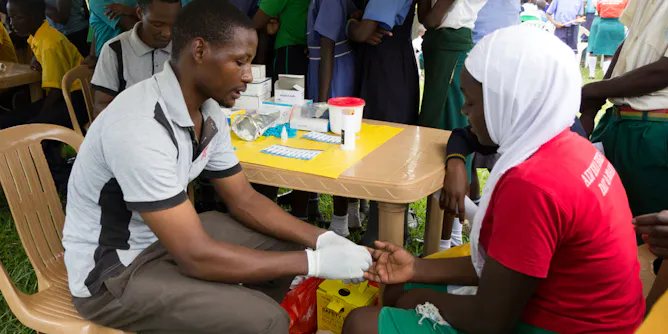
In Uganda stand-alone clinics for HIV treatment persist because of stigma and overcrowding.
Articles on Stigma
Displaying 141 - 160 of 171 articles

The continued prevalence of fat stigma and shaming needs to be challenged.

The hostile environment that marginalised people find themselves in serves as a source of constant stress.

Media portrayals don’t help misconceptions about disorders such as bipolar, schizophrenia and borderline personality disorder. So what do these terms actually mean?

Sharing data about users’ HIV statuses is bad enough. But why collect it in the first place?

Stigma stops people from getting tested for HIV, and staying on their treatment. Unless it’s addressed, the AIDS epidemic will persist.
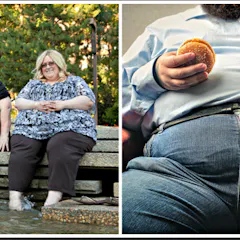
But you wouldn’t know it to look at a newspaper.

Stigma continues to inform legal, social and cultural attitudes towards sex work and remains a barrier to health, human rights and justice. Developing stigma indicators is one step towards change.

Consensual sex work, like non-commercial sex, mostly happens behind closed doors. Yet stigma toward and ignorance about sex workers makes people panic when we try to talk about reform.
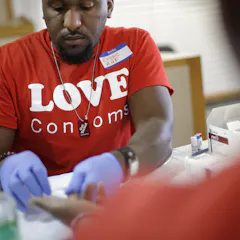
The number of new HIV-positive cases has sharply declined – in most parts of the country. Nonurban areas, particularly in the South, are showing sharp increases. Why?

Research on how black people try to avoid racism in their daily lives shows that following white, mainstream standards can have mixed results.

Critics have portrayed ECT as a form of medical abuse. Yet many psychiatrists, and more importantly, patients, consider it to be safe and effective. Few medical treatments have such disparate images.

People with cancer are exposed to many, often misrepresented, ideas about cancer. These can induce stress and even shame for the sufferer who might feel they’ve done something wrong.

The stories of HIV positive women in Tanzania often go unheard outside the communities in which they live.

The lack of suicide training provided in nursing programmes can leave nurses feeling like there is a risk of further harm to the patient.
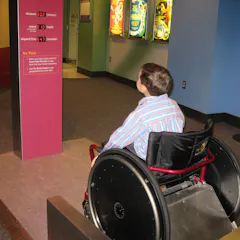
Today’s violence and prejudice against people with disabilities goes back to the practice of institutionalization, which started in Europe and the United States a century ago.

A South African Olympic silver medallist achieved something remarkable, especially after testing positive for methamphetamine use in 2012. But care needs to be taken in how this narrative is framed.

Efforts to avoid stigmatising people from Muslim backgrounds seem to be coming at the unexpected cost of adding stigma to those with mental health issues.

Aggression against sexual minorities is rooted in society-level stigmas that devalue LGBT individuals.

The cultures of silence and denial that surround child sexualised behaviours mean that adults often lack the information they need to respond appropriately.
Top contributors
-

Associate professor, Psychiatry, Western University
-
Senior Research Fellow, Melbourne Institute of Applied Economic and Social Research, The University of Melbourne
-
Principal Research Fellow, Australian Research Centre in Sex, Health and Society, La Trobe University
-
Research Director at The Health Economics and HIV and AIDS Research Division (HEARD), University of KwaZulu-Natal
-
Professor, School of Health Sciences, University of Northern British Columbia; University of Victoria
-
Professor of Health Economics, The University of Melbourne
-
Professor of Gender Studies, Chair in Sex Media and Sex Cultures, Linköping University
-
Professor of Sociology & Director, Sydney Centre for Healthy Societies, University of Sydney
-
Reader in Gender Studies, Liverpool John Moores University
-
Foundation Director, Australian Centre for Behavioural Research in Diabetes, Deakin University
-
Professor of medicine and deputy director of the Desmond Tutu HIV Centre at the Institute of Infectious Disease and Molecular Medicine, University of Cape Town
-
Health Systems Researcher, Makerere University
-
Post-doctoral research fellow, University of KwaZulu-Natal
-
Associate Professor, The University of Melbourne
-
Senior Lecturer in Psychiatry, UNSW