
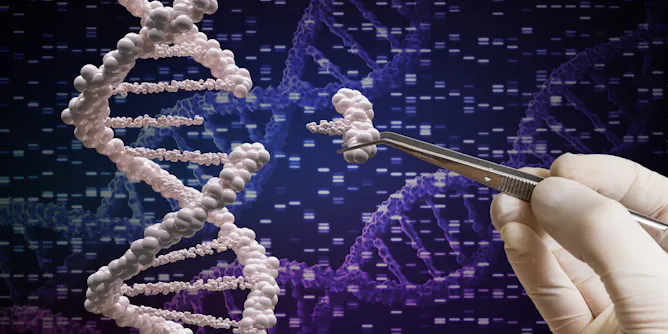
Only one Canadian has ever received the Nobel Prize for medicine, in 1923. But Canadian discoveries have been essential to stem cell research, gene sequencing and treatments for cancer.
Articles on Stem cells
Displaying 61 - 80 of 104 articles
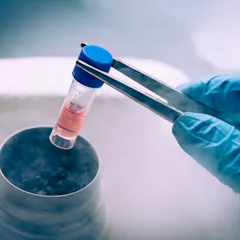
After much lobbying, the TGA has announced it will crack down on dodgy stem cell clinics.
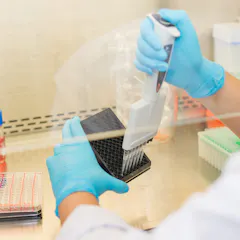
Stem cell science continues to offer great promise. But a growing number of clinics are selling treatments without evidence that what they offer is effective – or even safe.

Stem cells show potential for treating injuries, but some lab trials show they could be harmful too.
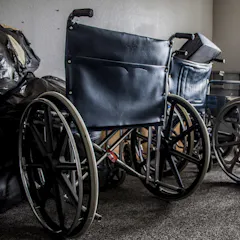
Claims that stem cell treatments can repair spinal injuries right now are overblown. But it’s not for lack of trying, and the science is certainly progressing.
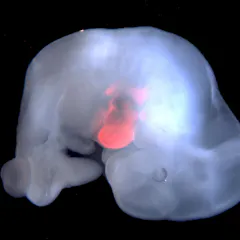
Human-animal hybrids - or ‘chimeras’ - might sound strange, but they offer great hope for new life saving therapies, as long as key ethical boundaries are respected.
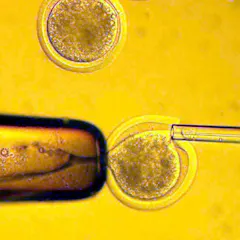
Stem-cell scientists have to work within many limitations placed on their research. One of these is the 14-day rule that outlaws research on pure human embryos over two weeks old.
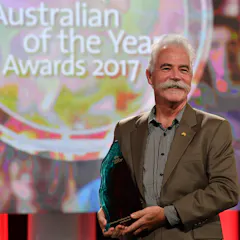
For many people suffering from disabling conditions, announcements in the press around breakthroughs in stem cell research undoubtedly bring hope.

A meniscal tear can end a sports career. There are no reliable fixes, but one might be on the horizon.
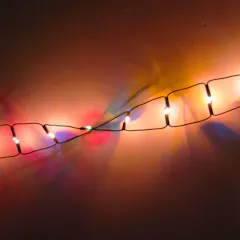
Controversy over a Chinese study that used CRISPR-Cas9 gene-editing technology shows how the West still looks at the East through the lens of Orientalism.

Humble hydrogels could one day replace hypodermic needles and repair damaged hearts.

Researchers from Kyushu University, Japan, are the first to turn mice stem cells into mature eggs that can be fertilised.

Cystic fibrosis (CF) affects around 3,000 people in Australia and 70,000 worldwide. It’s an inherited disease caused by a mutation in a single gene called CFTR.
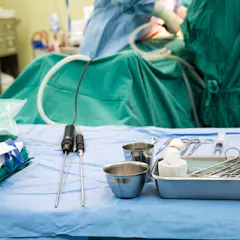
Due to a lack of effective regulations, there is little oversight of “stem cell treatments” and the businesses that provide them.
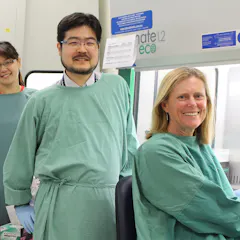
The pioneers of Australian scientific research, education and communication have been recognised in the 2016 Australian Museum Eureka Prizes.
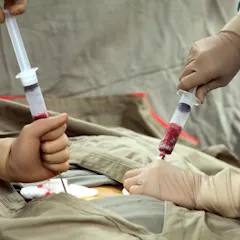
Australians clinics are offering stem-cell-based anti-ageing and cosmetic therapies that have not been clinically tested. Here’s what we need to do to ensure consumers don’t get ripped off, or worse.

A gene mutation that causes problems for neural stem cells – the building blocks of the brain – could be corrected by adding carnitine.
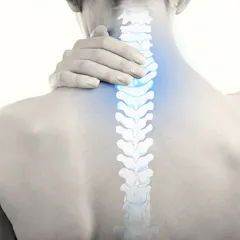
We have developed a new stem cell technique capable of regenerating any human tissue damaged by injury, disease or ageing.

Current clinical trials testing stem cell therapies for a number of diseases are going on in the US, Europe, Canada, Japan and elsewhere, but not in Australia.
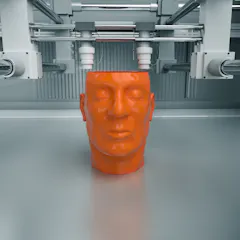
Face transplants are one of the great leaps forward of 21st-century medicine. But soon they may not be necessary.
Top contributors
-

Professor - Emerging Technologies (Stem Cells) at The University of Melbourne and Group Leader - Stem Cell Ethics & Policy at the Murdoch Children's Research Institute, The University of Melbourne
-
Professor and Former Program Leader of Stem Cells Australia, The University of Melbourne
-
Lecturer in Bioethics, Monash University; The University of Melbourne
-
Senior Lecturer in Sociology and Gender Studies, Monash University
-
Theme Director, Cell Biology, Murdoch Children's Research Institute
-
Lecturer, Law, Western Sydney University
-
Emeritus Robert Reford Professor and Professor of Medicine, McGill University
-
Professor of Sociology in the School of Social Sciences, Monash University
-
Professor of Bioethics & Medicine, Sydney Health Ethics, Haematologist/BMT Physician, Royal North Shore Hospital and Director, Praxis Australia, University of Sydney
-
Senior lecturer in reproductive Biology, University of Sheffield
-
Research Fellow in Sociology, Monash University
-
Professor, Australian Centre for Health Law Research, Queensland University of Technology
-
VC Postdoctoral Fellow, RMIT University
-
PhD Student, Division of Human Genetics, University of Cape Town
-
Professor, University of Cambridge