
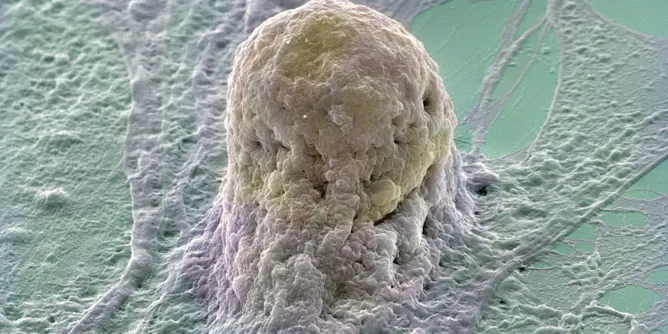
Stem cells offer an extraordinary toolkit for science and medicine. Researchers are getting better at turning these pluripotent cells into specialized tissues, including insulin-producing beta cells.
Articles on Embryonic stem cells
Displaying all articles
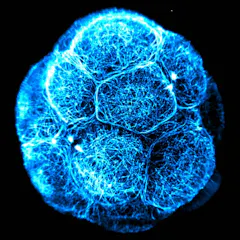
Often described as ‘miracle’ cells, stem cells need to be truly mastered if we’re to use them in medical treatments.

Type 1 diabetes develops when the body destroys its own insulin-producing cells. Using stem cells to replace them could be a way to get around donor shortages and transplant complications.
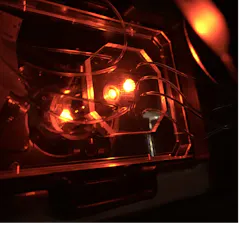
Growing cells we can use to produce blood is key to life-saving therapies after cancer treatment – this device has taken us a step closer.
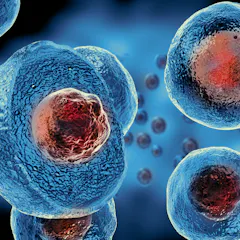
Researchers made human-monkey chimeras, by adding human stem cells to monkey embryos. Some embryos were cultured for 19 days after fertilisation.
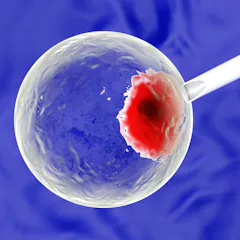
Stem cells show much promise, both for testing drugs and for treating disease. But the hype around them has been dangerous, as most treatments are in very experimental stages and can cause harm.
Claims that stem cell treatments can repair spinal injuries right now are overblown. But it’s not for lack of trying, and the science is certainly progressing.

Researchers from Kyushu University, Japan, are the first to turn mice stem cells into mature eggs that can be fertilised.

A gene mutation that causes problems for neural stem cells – the building blocks of the brain – could be corrected by adding carnitine.

Current clinical trials testing stem cell therapies for a number of diseases are going on in the US, Europe, Canada, Japan and elsewhere, but not in Australia.
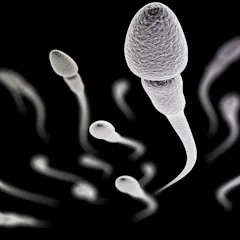
Scientists in China have succeeded in creating functioning sperm from mouse embryonic stem cells. This raises hopes for treating male infertility, but not in the near term.
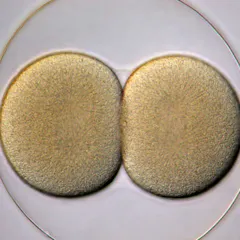
Stem cell and cloning research using human cells remain controversial, even though it is nearly 20 years since Dolly the sheep became the first mammal to be cloned. One of the main reasons for this controversy…
Researchers have discovered a new set of chemical factors that transform human embryonic stem cells into functional lung…

Australian researchers have developed a test to identify unsafe stem cells. Stem cells may one day be used to help regrow damaged body parts, and the new test potentially reduces the risk of unwanted tumours…
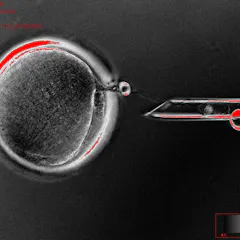
Scientists have successfully reprogrammed human skin cells to become embryonic stem cells capable of transforming into any other cell type in the body. While researchers have previously been able to make…

The 2012 Nobel Prize for Medicine and Physiology has been awarded to John Gurdon and Shinya Yamanaka, “for the discovery that mature cells can be reprogrammed to become pluripotent”. A pluripotent cell…
Top contributors
-

Professor - Emerging Technologies (Stem Cells) at The University of Melbourne and Group Leader - Stem Cell Ethics & Policy at the Murdoch Children's Research Institute, The University of Melbourne
-
Professor and Former Program Leader of Stem Cells Australia, The University of Melbourne
-
Research Group Leader, Stem Cells, CSIRO
-
E.L. Wehner-Welch Foundation Chair in Chemistry, Texas A&M Health Science Center, Texas A&M University
-
Senior Lecturer in Sociology and Gender Studies, Monash University
-
Assistant Research Scientist, Texas A&M Health Science Center, Texas A&M University
-
Assistant Professor in Clinical Embryology, University of Nottingham
-
Professor, Victor Chang Cardiac Research Institute, UNSW
-
Senior lecturer in reproductive Biology, University of Sheffield
-
Graduate Student in Cancer Systems Biology, Rice University
-
Associate Professor, Biomedical Engineering, UNSW
-
Professor and Director, Centre for Genetic Diseases, Monash Institute of Medical Research, Monash University
-
Reader/Associate Professor in Reproductive Medicine and Surgery, University of Nottingham, University of Nottingham
-
Stem Cell Technology Laboratory, Murdoch Children's Research Institute
-
Director of the NSW Stem Cell Network; member of the Research Consortium at Fertility East; Project Leader, Diabetes Therapy Project, CSIRO