
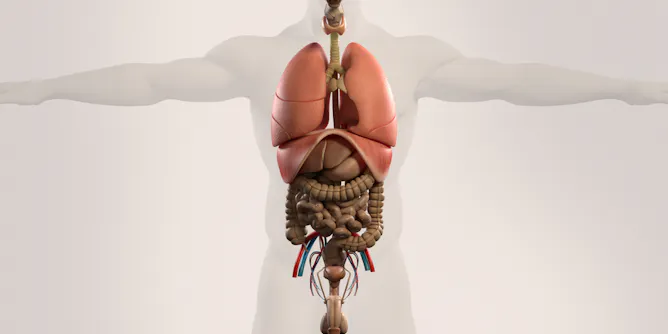
Hormones may not be the only thing that determines how your organs act.
Articles on Stem cells
Displaying 81 - 100 of 104 articles
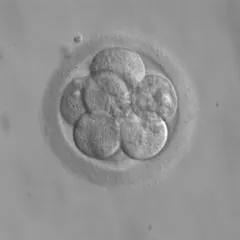
We’re not quite there yet but there is already a potential blueprint for editing the human germline.
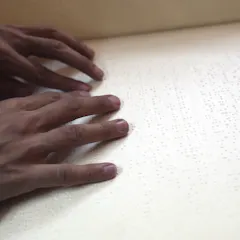
Stem cell research underway in South Africa is the first step to understanding how mutations cause a retinal disease and whether repairing the defect in the cell may reverse the disease process.
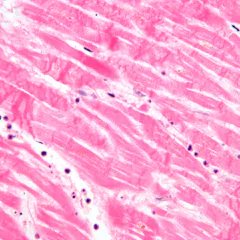
Stem cells hold great promise for treating heart disease. But it’s not so simple to get from stem cell to fully functioning adult heart cell, even in the lab.
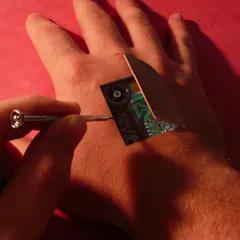
At the nexus of medical science, engineering, computer science and 3D printing is the biofabricator, a new career for the 21st century.

The theory that some rare cancer cells aren’t caught by conventional chemotherapy has divided the field.
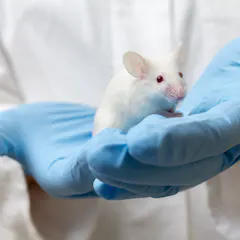
A novel molecule has been used to target stem cells to damaged tissues within the body, allowing more efficient cell therapy for the treatment of arthritis, Crohn’s, cardiovascular disease and MS
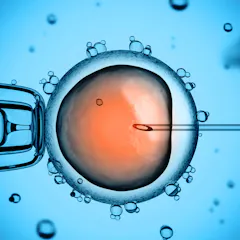
Once thought to be a problem only in poorly regulated jurisdictions overseas, unproven stem cell treatments are increasingly being offered in Australia. Now, the Therapeutic Goods Administration (TGA…
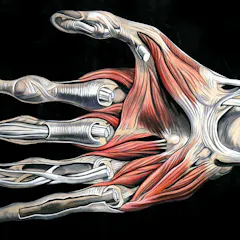
Skeletal muscle is the tissue that makes our bodies move in a voluntary way, so we can walk, run, and breath. This tissue is generated and maintained by a population of specialised stem-like cells called…
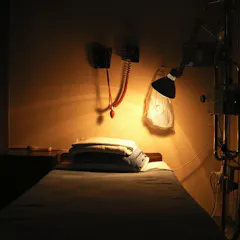
People with life-threatening or incurable diseases may be willing to try experimental drugs and unproven treatments, but they face the risk of exploitation. Is the law the best avenue to ensure that they…
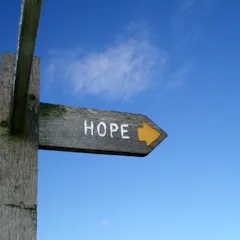
Stem cell tourism is when people travel to another country to receive treatments unavailable to them at home. It exists chiefly because most stem cell “treatments” are unproven and not readily available…
Stem cells from teeth have the capacity to develop into complex neurons, and could provide assistance in the treatment of…
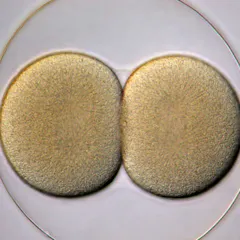
Stem cell and cloning research using human cells remain controversial, even though it is nearly 20 years since Dolly the sheep became the first mammal to be cloned. One of the main reasons for this controversy…
Neuroscientists found the “off switch” for nerve cell formation, advancing the possibility of brain cell regeneration. The…

Australian researchers have developed a test to identify unsafe stem cells. Stem cells may one day be used to help regrow damaged body parts, and the new test potentially reduces the risk of unwanted tumours…
Brigham and Women’s Hospital researchers in the US have found that synthetic silicate nanoplatelets induce stem cells to…

The 2012 Nobel Prize for Medicine and Physiology has been awarded to John Gurdon and Shinya Yamanaka, “for the discovery that mature cells can be reprogrammed to become pluripotent”. A pluripotent cell…
“Molecular beacons”, which light up when they bind to mRNA, allow scientists to watch stem cells as they turn into tissue…
Scientists have identified a protein called Wnt5a that is essential for maintaining a healthy intestinal lining. Glands in…
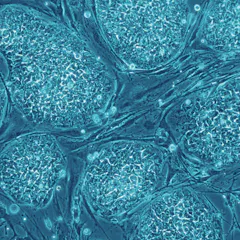
This week, ABC Radio National’s Background Briefing highlights the challenges involved in delivering on the promise of stem cell science and regenerative medicine. Although scientists continue to make…
Top contributors
-

Professor - Emerging Technologies (Stem Cells) at The University of Melbourne and Group Leader - Stem Cell Ethics & Policy at the Murdoch Children's Research Institute, The University of Melbourne
-
Professor and Former Program Leader of Stem Cells Australia, The University of Melbourne
-
Lecturer in Bioethics, Monash University; The University of Melbourne
-
Senior Lecturer in Sociology and Gender Studies, Monash University
-
Theme Director, Cell Biology, Murdoch Children's Research Institute
-
Lecturer, Law, Western Sydney University
-
Emeritus Robert Reford Professor and Professor of Medicine, McGill University
-
Professor of Sociology in the School of Social Sciences, Monash University
-
Professor of Bioethics & Medicine, Sydney Health Ethics, Haematologist/BMT Physician, Royal North Shore Hospital and Director, Praxis Australia, University of Sydney
-
Senior lecturer in reproductive Biology, University of Sheffield
-
Research Fellow in Sociology, Monash University
-
Professor, Australian Centre for Health Law Research, Queensland University of Technology
-
VC Postdoctoral Fellow, RMIT University
-
PhD Student, Division of Human Genetics, University of Cape Town
-
Professor, University of Cambridge