
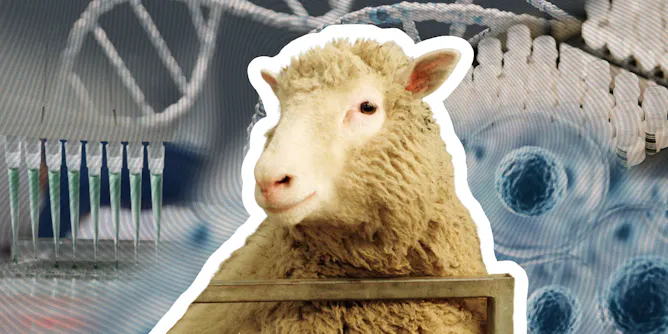
Today, cloning is not a technology that can simply “copy and paste” living things. But it’s brought advances in several fields of science.
Articles on Embryo
Displaying 1 - 20 of 47 articles
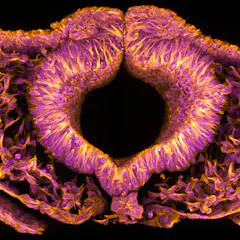
A fluorescent embryo allows scientists to watch living cells organise themselves in real time, revealing processes previously impossible to observe.
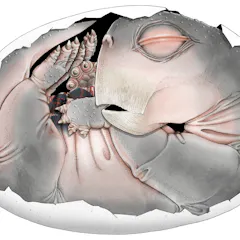
A detailed scan of a fossil therapsid embryo reveals the oldest egg belonging to a mammalian ancestor.

This rare case that has left many anatomists scratching their heads, and ignited discussions about typical human anatomy and anatomical variation.

In the past, when courts considered disputes over what to do with no-longer-wanted embryos, they typically considered them property. The Alabama ruling challenges this legal precedent.
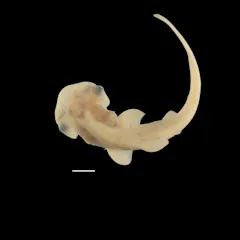
Because hammerhead sharks give birth to live young, studying their embryonic development is much more complicated than harvesting some eggs and watching them develop in real time.

What constitutes an ‘unborn child’ should not be decided by a relatively small number of religious conservatives.
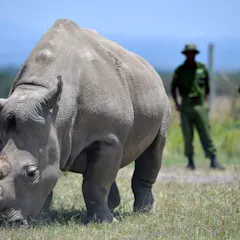
Efforts to save one species can provide scientific knowledge that enables us to save other creatures in need.
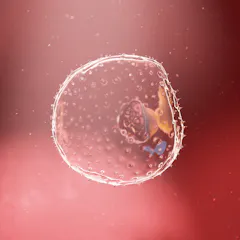
These models could help us better understand infertility and early pregnancy loss.
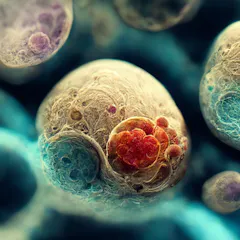
We should think carefully about whether it is ethical to create living human-like beings only to conduct research on them.
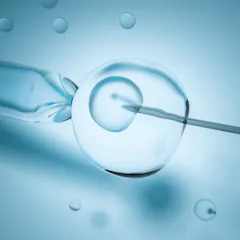
In April, scientists implanted synthetic monkey embryos in female monkeys. While none of them developed into fetuses, this is a new development that raises important ethical questions.
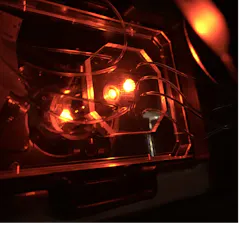
Growing cells we can use to produce blood is key to life-saving therapies after cancer treatment – this device has taken us a step closer.
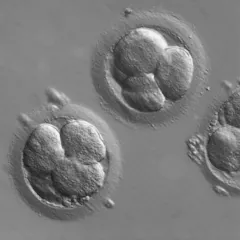
Human embryos are far more likely to die than come to term, an evolutionary trait seen across species. Laws granting personhood at conception ignore built-in embryo loss, with potentially grave consequences.
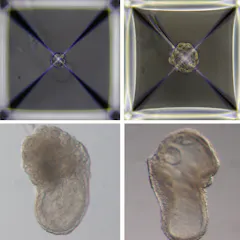
Adults today may have grown up dreaming they would live to see working jet packs and robot assistants but few people imagined it would be possible to create life without reproductive cells.

Our study in mice shows epigenetic changes in the mother can be passed to her offspring to influence a critical time in how the spine develops.
An unknown number of people have lost their dreams of parenthood because of storage disasters at fertility clinics. These experts note poor government oversight and the need for stronger regulation.
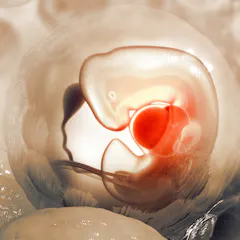
In most countries, scientific research that uses human embryos has to halt after the 14th day. New guidelines recommend the public’s input in extending the time period.
Plus, how a new wave of South African romcoms is reimagining Johannesburg. Listen to episode 17 of The Conversation Weekly podcast.
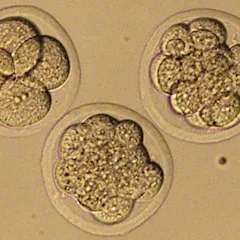
Researchers have grown the first human-monkey hybrid embryos as well as mouse embryos in artificial wombs late into development. These biomedical breakthroughs raise different ethical quandaries.
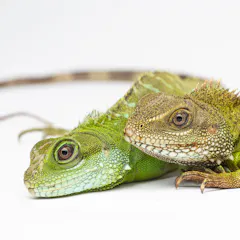
Parthenogenesis, a form of reproduction in which an egg develops into an embryo without being fertilized by sperm, might be more common than you realized.
Top contributors
-

Lecturer, Macquarie University
-
Distinguished Research Professor, Emerita, Dalhousie University
-
Postdoctoral Fellow, Biomedical Engineering, UNSW
-
Associate Professor, Biomedical Engineering, UNSW
-
Law Dean; Professor of Law; and Professor of Bioethics & Public Health, Case Western Reserve University
-
Professor of Evolutionary Biology and Speciation, University of St Andrews
-
Professor of Biomedical Sciences, Colorado State University
-
Senior Research Fellow , Adelaide University
-
Lecturer, Law, Western Sydney University
-
Professor, University of Oxford
-
Political Scientist, RAND
-
Professor of Biology and Associate Chair of the Biology Department, Stanford University
-
Associate Professor , Adelaide University
-
Monash University
-
Postdoctoral Researcher of Evolutionary Biology, University of Pennsylvania