
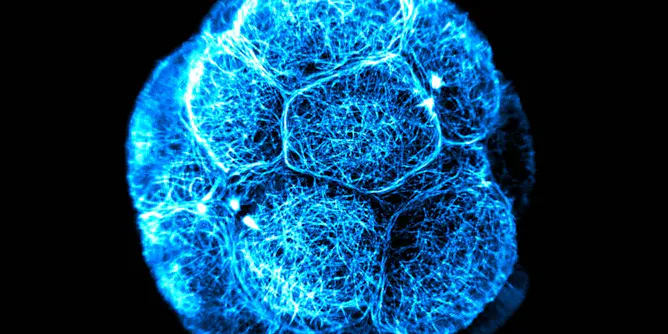
Often described as ‘miracle’ cells, stem cells need to be truly mastered if we’re to use them in medical treatments.
Articles on Induced pluripotent stem cells
Displaying all articles

Type 1 diabetes develops when the body destroys its own insulin-producing cells. Using stem cells to replace them could be a way to get around donor shortages and transplant complications.
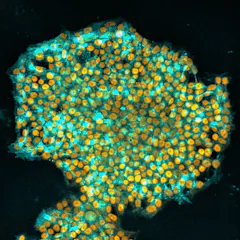
Stem cells could help regenerate diseased or damaged parts of the body – but first, scientists need to make the cells forget their own histories.
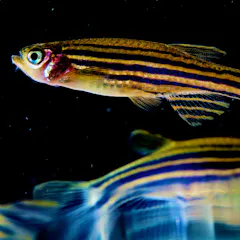
Of the many qualities that make the zebrafish a model organism, the fact that it shares 70% of the genes humans have makes it an ideal candidate for developmental biology research.
Growing cells we can use to produce blood is key to life-saving therapies after cancer treatment – this device has taken us a step closer.
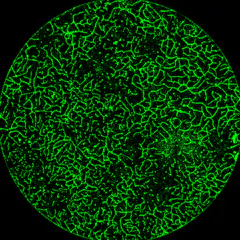
New strategy helps build synthetic organs from scratch. This enabled the researchers to grow functioning liver tissue in the lab that could be transplanted into mice with liver disease.
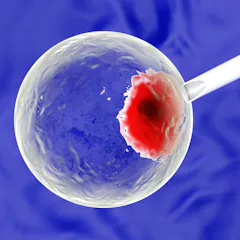
Stem cells show much promise, both for testing drugs and for treating disease. But the hype around them has been dangerous, as most treatments are in very experimental stages and can cause harm.
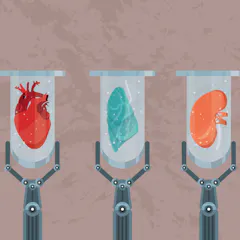
The idea behind regenerative medicine is that the patient is both the donor and recipient of healthy tissue grown from stem cells. But sometimes the transplanted cells are rejected. Now we know why.
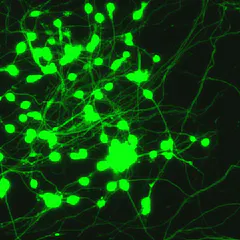
Figuring out what causes diseases like autism, schizophrenia and depression is tricky. Now Stanford University researchers are turning blood into brain cells to study these diseases in a dish.
Top contributors
-

Postdoctoral Fellow, Biomedical Engineering, UNSW
-
Associate Professor, Biomedical Engineering, UNSW
-
Associate Professor of Pathology at the Institute for Stem Cell Biology and Regenerative Medicine, Stanford University
-
Professor of Surgery, University of California, San Francisco
-
PhD Candidate in Microbiology and Immunology, University of British Columbia
-
Assistant Professor of Genetics, Development and Cell Biology, Iowa State University
-
Head, Epigenetics, The Kids Research Institute Australia; The University of Western Australia
-
Master's Candidate in Molecular, Cellular and Developmental Biology, Iowa State University
-
Associate Professor of Pathology and Bioengineering, University of Pittsburgh
-
Research Scientist in Endocrinology and Metabolism, University of Pittsburgh
-
Associate Professor, Australian Regenerative Medicine Institute, Monash University