
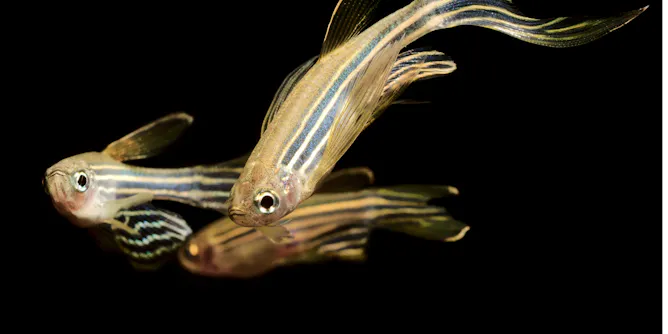
Zebrafish melanocytes cause diseases similar to those in people when they don’t work properly. Studying how they regenerate after injury could lead to new treatments for hair color loss and vitiligo.
Articles on Stem cells
Displaying 21 - 40 of 104 articles
These models could help us better understand infertility and early pregnancy loss.
We should think carefully about whether it is ethical to create living human-like beings only to conduct research on them.
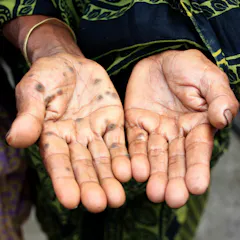
Millions of people worldwide are exposed via soil and water to arsenic, whether naturally occurring or related to pollution. Chronic exposure is linked to the formation of cancer stem cells.
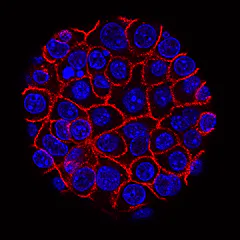
Many tumors have cancer stem cells that help them grow and evade treatments. Differentiation therapy forces these cells to mature, stopping growth with less toxicity than traditional treatments.
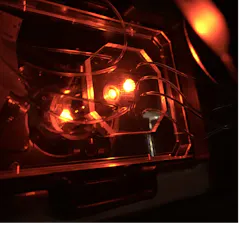
Growing cells we can use to produce blood is key to life-saving therapies after cancer treatment – this device has taken us a step closer.

Avoid while pregnant or trying to conceive: smoking, drinking, space travel.
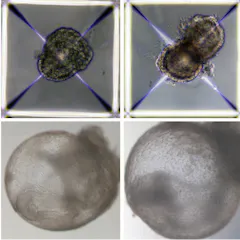
In a huge milestone, researchers have grown a mouse embryo entirely from stem cells. Could humans be next?
While a strong immune response is essential to fight against viral infection, an immune system that continues to stay active long after the virus has been cleared can lead to lung damage.
Plus, how a new wave of South African romcoms is reimagining Johannesburg. Listen to episode 17 of The Conversation Weekly podcast.
The International Society for Stem Cell Research’s newly released guidelines aim to address new ethical challenges posed by stem cell advances such as model embryos and human-monkey hybrid embryos.
Researchers made human-monkey chimeras, by adding human stem cells to monkey embryos. Some embryos were cultured for 19 days after fertilisation.

Medical research to benefit people is first conducted in animals. Creating a new biomedical model by inserting human immune cells into pigs may lead to new insights and treatments.
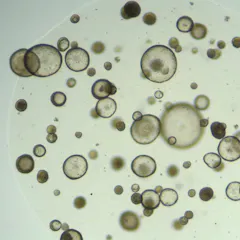
Next, researchers want to grow the tear glands of a crocodile – seriously.
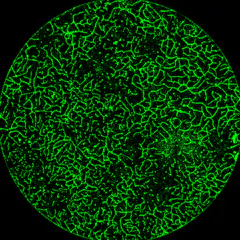
New strategy helps build synthetic organs from scratch. This enabled the researchers to grow functioning liver tissue in the lab that could be transplanted into mice with liver disease.

How a seaweed extract could help treat type 1 diabetes.
New treatment for osteoarthritis works in sheep and mice. Hopefully, human trials will start soon.
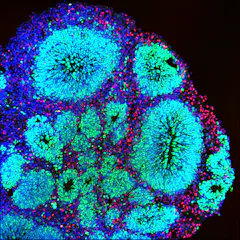
Brain organoids are tiny models that neuroscientists use to learn more about how the brain grows and works. But new research finds important differences between the model and the real thing.
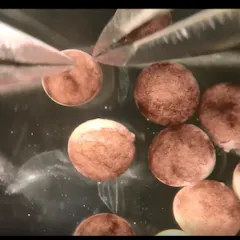
Xenobots have been called the world’s first “living robots”. They are made entirely of living tissue, and can be programmed to move towards a certain object.

Animals that pause their pregnancies could help us learn valuable lesson about human pregnancy, and even unlock secrets to stem cells and cancer.
Top contributors
-

Professor - Emerging Technologies (Stem Cells) at The University of Melbourne and Group Leader - Stem Cell Ethics & Policy at the Murdoch Children's Research Institute, The University of Melbourne
-
Professor and Former Program Leader of Stem Cells Australia, The University of Melbourne
-
Lecturer in Bioethics, Monash University; The University of Melbourne
-
Senior Lecturer in Sociology and Gender Studies, Monash University
-
Theme Director, Cell Biology, Murdoch Children's Research Institute
-
Lecturer, Law, Western Sydney University
-
Emeritus Robert Reford Professor and Professor of Medicine, McGill University
-
Professor of Sociology in the School of Social Sciences, Monash University
-
Professor of Bioethics & Medicine, Sydney Health Ethics, Haematologist/BMT Physician, Royal North Shore Hospital and Director, Praxis Australia, University of Sydney
-
Senior lecturer in reproductive Biology, University of Sheffield
-
Research Fellow in Sociology, Monash University
-
Professor, Australian Centre for Health Law Research, Queensland University of Technology
-
VC Postdoctoral Fellow, RMIT University
-
PhD Student, Division of Human Genetics, University of Cape Town
-
Professor, University of Cambridge