
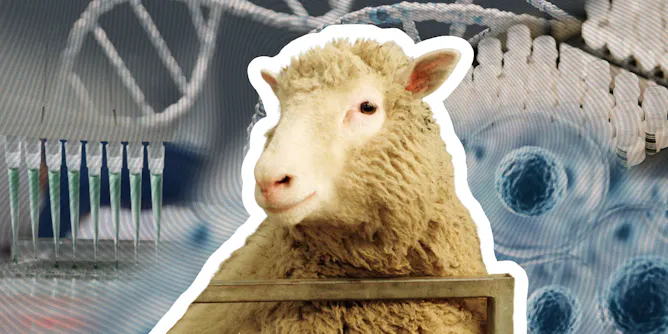
Today, cloning is not a technology that can simply “copy and paste” living things. But it’s brought advances in several fields of science.
Articles on Stem cells
Displaying 1 - 20 of 104 articles
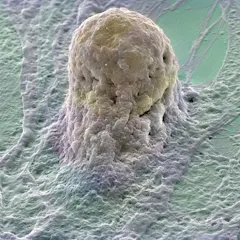
Stem cells offer an extraordinary toolkit for science and medicine. Researchers are getting better at turning these pluripotent cells into specialized tissues, including insulin-producing beta cells.
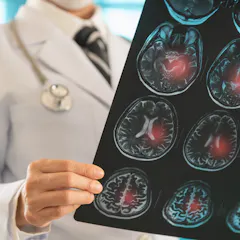
For decades, stroke damage was though to be irreversible.
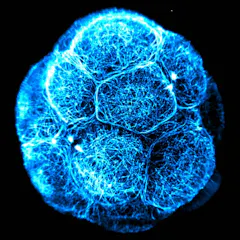
Often described as ‘miracle’ cells, stem cells need to be truly mastered if we’re to use them in medical treatments.

Placentas contain a rich amount of nutrients and stem cells, but there’s a difference between eating it at home for wellness and using it in the clinic to improve wound healing.

Menstrual blood isn’t a ‘waste’. It actually has a rich cellular and molecular makeup.

Stem cell engineering and CRISPR were used to create mice with two male parents. Could we use this technique on humans?

You’d be surprised by how many body parts are capable of regeneration.

Type 1 diabetes develops when the body destroys its own insulin-producing cells. Using stem cells to replace them could be a way to get around donor shortages and transplant complications.
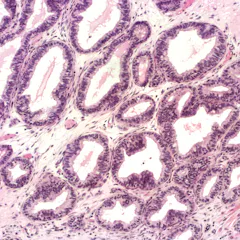
Nine years ago, Tim Baker was diagnosed with stage 4, metastatic prostate cancer. Today, astonishingly, he is fit and healthy, and meeting the scientists researching new treatments for this disease.
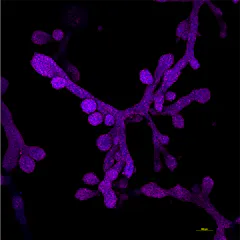
Organoids of mammary glands can help researchers more efficiently study lactation, with findings that could apply to fields ranging from agriculture to medicine.

Nanoplastics have been found in the brain, lungs, arteries, semen and placenta. But the harms are still unknown.

Great Ormond Street Hospital plans to apply to the UK drugs regulator for a gene therapy to cure a rare genetic disorder called ADA-SCID.

The technology may be here sooner than we think. But we have so much to discuss first.

Fifteen patients receiving an experimental stem cell therapy to treat advanced MS didn’t have the expected deteroriation in their condition.

Pigs with human kidneys? Brain-powered computer chips? Science is creating new kinds of living things – and our moral understanding needs to catch up fast.
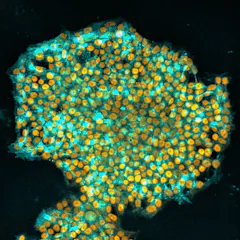
Stem cells could help regenerate diseased or damaged parts of the body – but first, scientists need to make the cells forget their own histories.

Efforts to save one species can provide scientific knowledge that enables us to save other creatures in need.
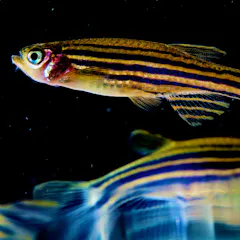
Of the many qualities that make the zebrafish a model organism, the fact that it shares 70% of the genes humans have makes it an ideal candidate for developmental biology research.
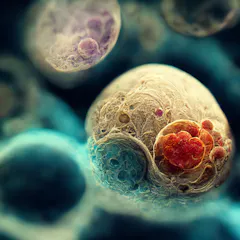
In June, the possibility of synthetic embryos was announced at a conference. This allows some research to extend beyond the 14-day rule, which restricts experimentation on embryos beyond this period.
Top contributors
-

Professor - Emerging Technologies (Stem Cells) at The University of Melbourne and Group Leader - Stem Cell Ethics & Policy at the Murdoch Children's Research Institute, The University of Melbourne
-
Professor and Former Program Leader of Stem Cells Australia, The University of Melbourne
-
Lecturer in Bioethics, Monash University; The University of Melbourne
-
Senior Lecturer in Sociology and Gender Studies, Monash University
-
Theme Director, Cell Biology, Murdoch Children's Research Institute
-
Lecturer, Law, Western Sydney University
-
Emeritus Robert Reford Professor and Professor of Medicine, McGill University
-
Professor of Sociology in the School of Social Sciences, Monash University
-
Professor of Bioethics & Medicine, Sydney Health Ethics, Haematologist/BMT Physician, Royal North Shore Hospital and Director, Praxis Australia, University of Sydney
-
Senior lecturer in reproductive Biology, University of Sheffield
-
Research Fellow in Sociology, Monash University
-
Professor, Australian Centre for Health Law Research, Queensland University of Technology
-
VC Postdoctoral Fellow, RMIT University
-
PhD Student, Division of Human Genetics, University of Cape Town
-
Professor, University of Cambridge