
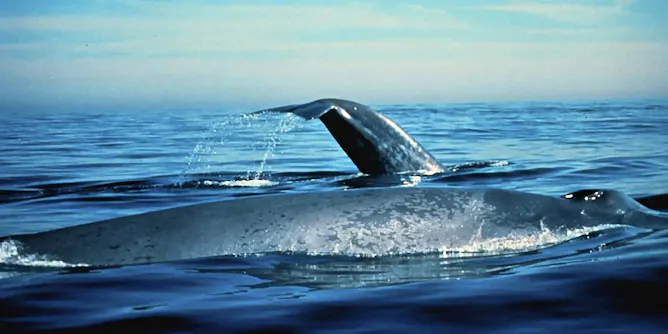
This marine ecosystem is so important it’s one of the main reasons the federal government has greatly reduced the area available for offshore wind farms in the region.
Articles on Southern ocean
Displaying 21 - 40 of 92 articles

Climate change could reduce suitable nesting sites for the wandering albatross on Marion Island.
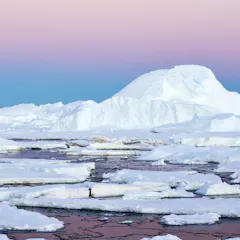
Humanity has lost control of West Antarctic ice-sheet melting.
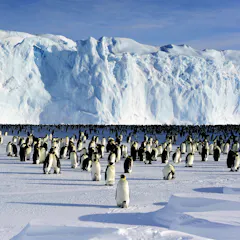
The first comprehensive assessment of trends in Southern Ocean ecosystems reveals an urgent need to address climate change. The summary for policymakers can guide decision-makers.
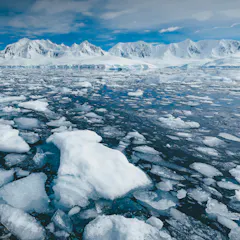
The rapid changes in the Southern Ocean and Antarctica highlight the urgency of better direct observations and measurements, beyond satellite monitoring and modelling.
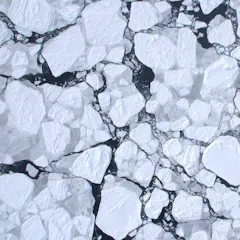
Antarctic sea ice is now nearly 9% below normal. But the dramatic decline is not universal around the continent, which makes it difficult to predict the overall impact of climate change.
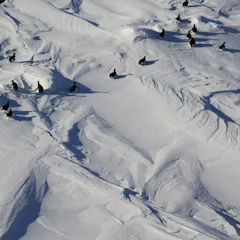
Sea ice around Antarctica has always followed a predictable seasonal cycle. Now, we’ve experienced a sudden dramatic loss, and the changes are here to stay.
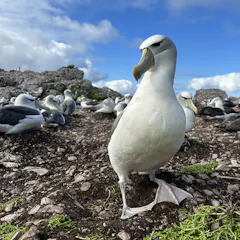
Just as Darwin’s finches evolved specialised beaks to target prey, 3D modelling of 61 museum specimens reveals albatross beaks vary in size and shape for different diets. They can also drink seawater.
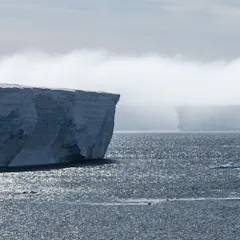
Freshening seawater around Antarctica is disrupting a global ocean conveyor which regulates the climate.
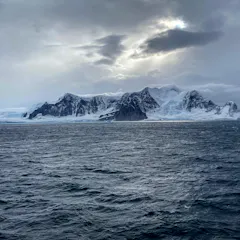
Working with underwater robots, scientists show how deep sea mountains and fast currents between Antarctica and South America play a crucial role in stabilizing the climate.
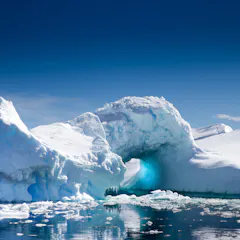
The melting of the Antarctic ice sheet will contribute for a long time to sea level rise, which will test humanity’s capacity to adapt.
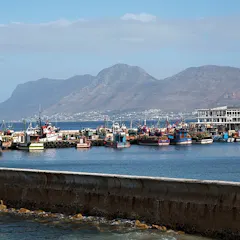
The trend globally is for countries to be explicit about their maritime interests, underpinned by a sound security strategy.
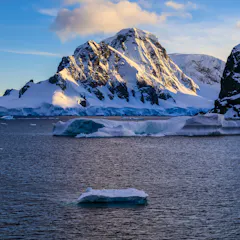
Southern Ocean heat uptake accounts for almost all the planet’s ocean warming, thereby controlling the rate of climate change.
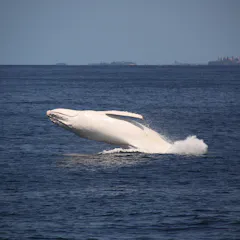
Migaloo, where are you? How searching for the iconic white humpback whale connects us all with the ocean.
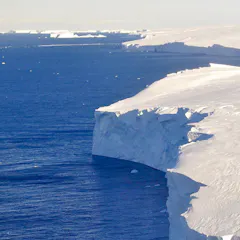
Thwaites Glacier’s ice shelf appears to be splintering, and scientists fear it could give way in the next few years. A polar scientist takes us on a tour under the ice to explain the forces at work.
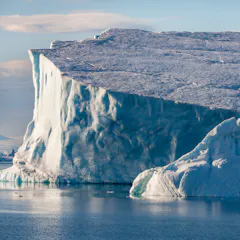
For the first time since satellites started studying the continent, East Antarctica has lost an entire ice shelf.
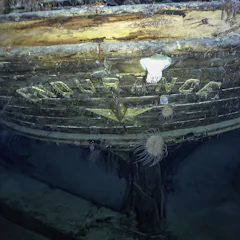
The resting place of Shackleton’s ill-fated ship is now an international heritage site, and a reminder of how Antarctica’s place in our collective consciousness has changed since the ‘heroic age’.
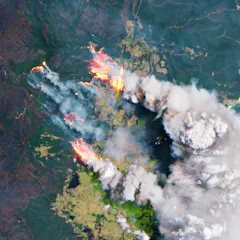
This enormous, unprecedented algal bloom could have profound implications for carbon dioxide levels in the atmosphere and for the marine ecosystem.

These giant predators are helping solve the mystery of Earth’s cooling shift some 50 million years ago.
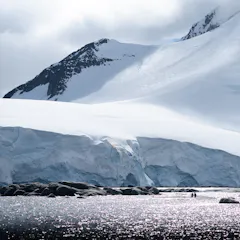
If emissions continue at their current pace, Antarctica will cross a threshold into runaway sea rise when today’s kids are raising families. Pulling CO2 out of the air later won’t stop the ice loss.
Top contributors
-

Antarctic Law Researcher, Institute for Marine and Antarctic Studies and the Antarctic Climate and Ecosystems CRC, University of Tasmania
-
Professor in Oceanography and Public Engagement, Utrecht University
-
Professor in Marine Science, University of Otago
-
Professor in Ocean Physics, University of Auckland, Waipapa Taumata Rau; Earth Sciences New Zealand
-
Professor of Applied Mathematics, The University of Melbourne
-
Director of the ARC Centre of Excellence for Our Future Oceans and Scientia Professor in Oceanography, UNSW
-
Professor in Glaciology, University of Otago
-
Senior Curator, Vertebrate Palaeontology, Museums Victoria Research Institute
-
Professor, Institute for Marine and Antarctic Studies, University of Tasmania
-
Adjunct Professor, Institute for Marine and Antarctic Studies, University of Tasmania
-
Professor in Cloud Microphysics, Monash University
-
Adjunct Senior Lecturer, University of Tasmania
-
Associate Professor in Environmental History, University of Tasmania
-
Postdoctoral research associate, University of Tasmania
-
Research Scientist, CSIRO