
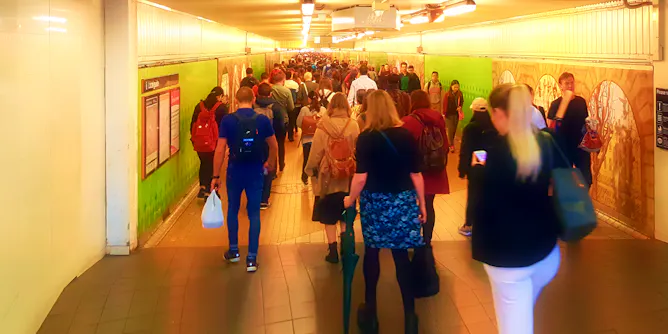
OzSAGE brings together infectious disease and public heath experts, engineers, architects, economists and social scientists. Its first recommendations deal with ventilation and the measures that will have to accompany widespread vaccination.
Articles on Social distancing
Displaying 21 - 40 of 300 articles
New research shows correctional officers are vectors of infection, driving COVID-19 rates both inside prisons and in their communities.
Lack of human touch can lead to greater stress, anxiety and loneliness – and that is what made the social distancing during the pandemic so hard for many.
New research shows the dire effects of the pandemic on the mental health of children and youth, with as many as 25 per cent of young people affected. Immediate action can help address this distress.

With lockdowns likely to be a part of life in Australia until a significant majority of us are vaccinated, it’s timely to think about what we can do to look out for people who may be vulnerable.

Students’ academic worries persisted through the pandemic. A developmental scientist offers tips to support young people heading back to school.

Multiple factors determined whether or not individual Americans adopted COVID-19 safety measures, according to statistical analysis of public opinion data.
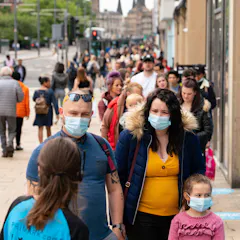
The freedom to do as you please impinges on the freedom of others to protect themselves from COVID-19.

Pitting health against the economy is a false dichotomy.
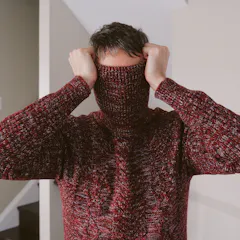
Ready to party post-pandemic, but at the same time feeling shy? Here’s how social isolation affects the brain – and what research suggests about the effects of resocialization.

It is important to remember in this time of crisis that the need for social connection is vital.

Physical contact is important for our mental health and social bonding. We need to bring it back as soon as it’s safe to do so.

COVID-19 variants of concern have changed the game. We need to recognise and act on this to avoid future waves of infections, yet more lockdowns and restrictions, and avoidable illness and death.

Crowd size matters. When football games had thousands of fans in attendance, COVID-19 case numbers tended to spike within three weeks.

Several factors converge in this region to produce significant risk. The tentacles of this particular outbreak might be more far-reaching, so it’s crucial we get testing numbers up.
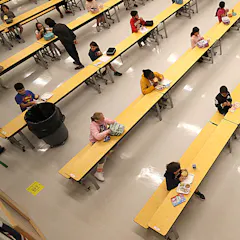
Students are spreading out when they eat and using more single-serve packaging. Future changes to school meals could be less visible.
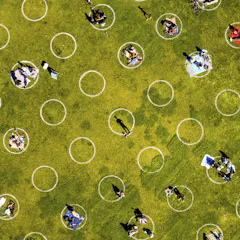
The social restrictions of the COVID-19 pandemic have illustrated how important human connections are to health.

Red squirrels are solitary by nature, but research has found that they benefit from familiarity with other squirrels.

Americans were tired of social distancing and mask-wearing. At the first hint the virus was receding, people pushed to get life back to normal. Unfortunately another surge of the disease followed.

The president wants Americans to be able to celebrate Independence Day with small gatherings. What will it take to get the virus under control by then? Three public health school deans explain.
Top contributors
-

Scientia Professor of Economics, UNSW
-
Associate Professor, Epidemiology, Deakin University
-
Associate Professor of Health Policy and Management, Texas A&M University
-
Assistant Research Scientist, University of Michigan
-
Regents and Distinguished Professor of Environmental and Occupational Health, Texas A&M University
-
Associate Dean for Research and Professor of Health Policy and Management, Texas A&M University
-
Research Fellow, Center for Philosophy and History of Science, Boston University
-
Professor, Département des sciences de l'activité physique, Université du Québec à Montréal (UQAM)
-
Assistant Professor of Epidemiology and Biostatistics, University of Nevada, Las Vegas
-
Research Fellow, BehaviourWorks Australia, Monash Sustainable Development Institute, Monash University
-
Professor of Economics and Psychology, Carnegie Mellon University
-
Associate Professor, Sydney School of Public Health, University of Sydney
-
Assistant Professor of Biology, Providence College
-
Associate Professor in Environmental Engineering, UCL
-
Professor of Public Health, University of Otago