

3-D printing has the potential to disrupt local manufacturing, and re-configure approaches to urban design, planning and production.
Articles on Smart cities
Displaying 41 - 60 of 108 articles
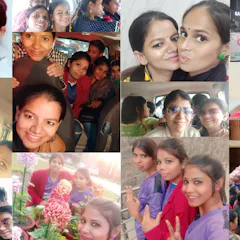
Selfies document women’s struggles and accomplishments, as they step out from their traditional roles in the home, into the male-dominated public realm of the city.

As the number of ‘internet of things’ devices expands rapidly, so do security vulnerabilities to homes, businesses, governments and the internet as as whole.
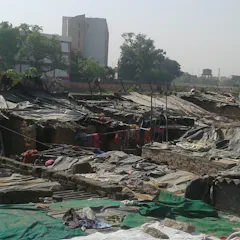
Indians were promised they would be included in planning 100 smart cities and that everyone would benefit. But many of the millions of slum residents have had no say in their homes being destroyed.

How smart are our cities now? In Queensland, a study of all 78 local government areas reveals major gaps between the ten leading the way in becoming smart cities and the rest of the state.

Smart cities need places for people to engage in meaningful ways, and cohousing is one model of smart citizen development.

In a country where 26% of the population has access to mobile internet, India’s working class women are finding other ways to fight the patriarchy.

Can happiness really be mapped?

The UK pioneered smart cards such as Oyster. But now, experimentation is being stifled as cash-strapped councils struggle to deliver basic services.

Technology is already changing how we live our lives and go about our days. Are we ready with collaborative planning processes so we are not taken by surprise by more profound change?
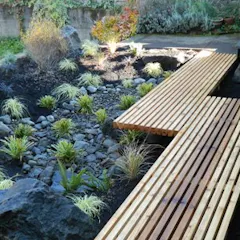
Faced with a drought, it’s tempting for cities to reduce the amount of space that needs water. But this is not a good idea.

As cities become ‘smarter’, they need more and more objects fitted with technology. We need to think about designing these objects to accommodate computers, which often break down and create e-waste.

New research has uncovered a previously unknown weakness in smart city systems: devices that trust each other. That could lead to some pretty terrible traffic, among other problems.

Toronto’s Quayside smart city project needs a new, truly consultative process. An innovative method used by Brazil to develop its landmark Internet Bill of Rights may be the answer.

Now is the time for China to put its technological and diplomatic skills on display in its quest for superpower status.
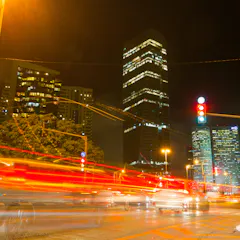
To be a smart city is to know what your people want and need. And smart city leaders make sure residents can tell them by using technology to maintain a constant two-way flow of information.
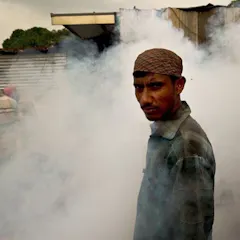
The spread of infectious diseases such as chikungunya is closely linked to urban mobility, yet small Indian cities could play a crucial role in the resilience process.

Governments have started to see automation as the key to brighter urban futures. But what will this look like?
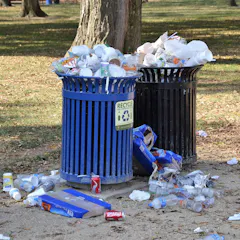
Researchers are installing sensors to collect data about the use of public spaces. This can improve the management and public amenity of these places, but will users see the technology as intrusive?
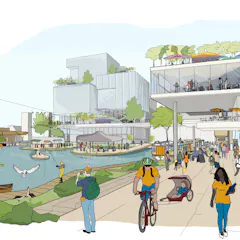
When building a smart city, it’s vital that governments and citizens know up-front who will control the collected data.
Top contributors
-

Professor, Faculty of Business & Economics, University of Winnipeg
-
Vice Chancellor’s Senior Research Fellow, School of Global, Urban and Social Studies, RMIT University
-
Professor in Human Geography, UCL
-
Associate Professor of Political Science, Brock University
-
Professor of Strategic Design, Queensland University of Technology
-
Associate Professor, University of Canberra, Stockholm Environment Institute
-
Professor of Urban Studies and Planning, Queensland University of Technology
-
Associate Professor, School of Built Environment, UNSW
-
Director, Melbourne Sustainable Society Institute, The University of Melbourne
-
Associate Professor and Director of the Australian Smart Cities Consortium, Adelaide University
-
Associate Professor of Urban Planning, The University of Melbourne
-
Senior Lecturer in Industrial Design, UNSW
-
Professor Sustainability and Urban Governance, RMIT University
-
Leader, Centre for Risk and Community Safety, RMIT University
-
Professor of Spatial Science, University of Leeds