

Don’t dread the ‘afternoon slump’. Here’s what you can do to combat it.
Articles on Naps
Displaying 1 - 20 of 21 articles

Struggling to get up in the morning? Here are four ways to ditch the grogginess and feel human before breakfast.
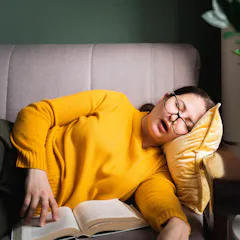
To nap effectively, both the timing and environment matter.

During Ramadan, when the body is already adapting to a shifted sleep schedule, a carefully timed nap might be especially beneficial.

Canadian 24-hour movement guidelines for healthy development recommend naps for infants and children under two years, and nap options for ages three to four.

Night matches at the Australian Open are a great spectacle, but sleep disruption is likely to wreak havoc even on professional athletes.

Naps can be rejuvenating and beneficial to attentiveness and overall health, but the length of naps and the time of day are key.

While a cup of joe or a brief nap during an all-nighter might help you feel a little more alert, it won’t offset cognitive impairments from sleep deprivation when you’re performing complex tasks.

Our study revealed that people who nap frequently have larger brain volume.
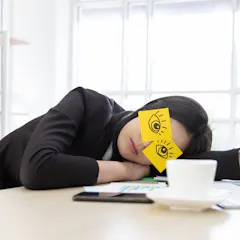
A short nap during the working day can boost productivity as much as a pay rise, according to research.

While longer naps are a normal part of aging, excessively long dozes could be a warning signal for cognitive decline.

We compared the ability of volunteers to solve a problem after a cat nap compared to those who stayed awake. It’s a technique we borrowed from Thomas Edison and Salvador Dali.

Napping in the afternoon can benefits both motor skills and your ability to recall facts.

Research shows napping helps young children learn, as well as enhancing their emotional well-being.

We asked five experts if a daytime kip is OK. Four out of five said yes.
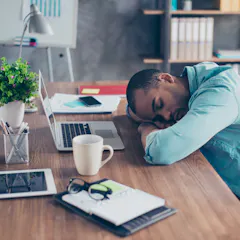
Progressive organizations recognize that fatigued employees can’t perform at their best. Naps at work can increase alertness and improve performance.

Calvin Coolidge, during one stretch of his presidency, was getting 15 hours of shut-eye each day, while William Howard Taft was known for nodding off during public events.

The benefits of naps are similar to those experienced after consuming caffeine, but without the side effects of caffeine dependence and possibly disrupted sleep at night time.

Taking a power nap on a night shift can leave you feeling groggy. And eating a large meal can reduce your alertness. So, what’s a tired shift worker to do to make it through the night?

Can drinking a cup of coffee before taking a short nap really give you the energy you need to see you through the day?
Top contributors
-

Sleep Researcher, Appleton Institute, HealthWise Research Group, CQUniversity Australia
-
Conjoint Senior Lecturer, School of Medicine and Public Health, University of Newcastle
-
Research Fellow, Sleep & Chronobiology Laboratory, Behaviour-Brain-Body Research Centre, Adelaide University
-
Associate Professor, Adelaide Institute for Sleep Health, Flinders University
-
Associate Professor of Sleep and Wellbeing, University of Sydney
-
Assistant Professor, Warwick Business School, University of Warwick
-
Research Fellow, Sleep and Chronobiology Laboratory, Behaviour-Brain-Body Research Centre, Adelaide University
-
Research Fellow & Lecturer, Centre for Sleep Science, The University of Western Australia
-
Research Fellow in Psychology, Stockholm University
-
Associate Professor, Psychology, Karolinska Institutet
-
Clinical Associate Professor, Texas A&M University
-
Assist lecturer Universidad de la República and Hon. Assist researcher University College London, UCL
-
Professor of History, Iowa State University
-
Chercheur en neurosciences à l'Institut du Cerveau - Paris Brain Institute, Inserm
-
Research Professor and Director of the Behaviour-Brain-Body Research Centre, Adelaide University