
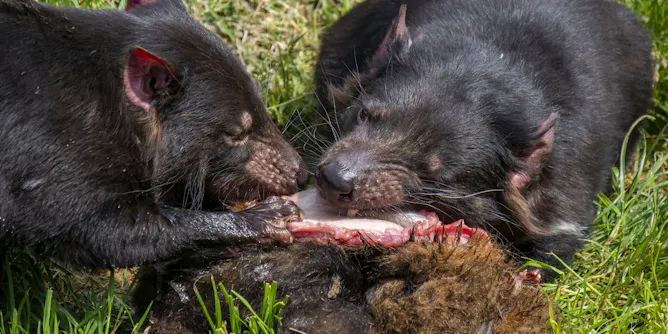
Animals that feed on infected carcasses could be accelerating the spread of the H5N1 strain.
Articles on Seabirds
Displaying 1 - 20 of 62 articles
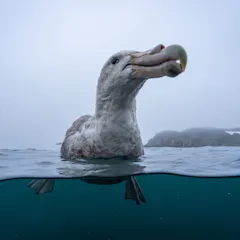
Another apparent case of H5 avian influenza in a wild bird is a cause for concern – but it’s not the same as an outbreak.
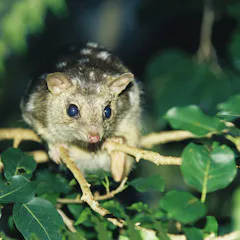
The arrival of the H5N1 strain may threaten our most vulnerable species.
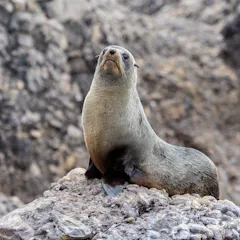
Marine species are increasingly battling intense storms and heatwaves – four experts explain why this matters.

The Hauraki Gulf is already experiencing more frequent and longer lasting marine heatwaves. Seabirds now have to travel further to find enough food.

Seabirds are washing up on Europe’s beaches in large numbers after weeks of bad weather.
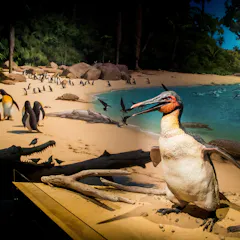
Newly revealed fossils of four new ancient penguin species highlight how their early evolution optimised wings and feet for powerful underwater propulsion.
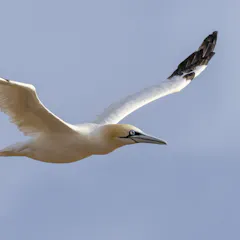
Conservation volunteers could provide a crucial defence line against bird flu outbreaks in New Zealand by ensuring early detection.
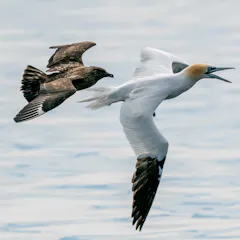
It’s easier to steal another seabird’s meal than catch your own fish. But this behaviour by skuas, frigatebirds and gulls is contributing to the spread of lethal avian influenza
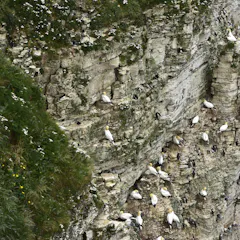
A torrid few years of widespread disease have pushed several species closer to extinction.

One of the world’s largest programs to eradicate multiple predators and pests has started to restore the island and its once vast nesting colonies to their former glory.
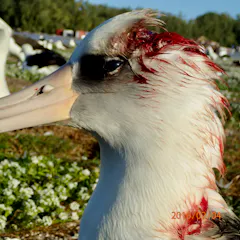
On a small, remote island in the Pacific Ocean, an unlikely predator feasts on the world’s largest albatross colony. Researchers are trying to figure out how to stop these murderous mice.
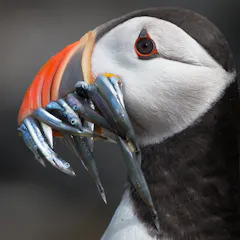
Many seabird colonies around UK coastlines struggle to breed because the sandeels they feed on have been overfished. The upcoming closure of sandeel fisheries will be good news for marine wildlife.
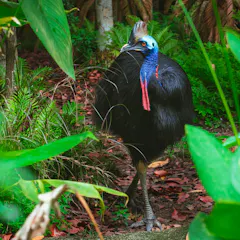
It’s hard work saving birds from extinction, but we have the evidence of successful interventions to show we can avoid further losses.
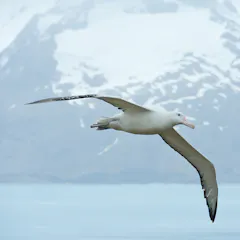
Scientists have long been baffled by how seabirds decide where to go on their long journeys. Our study of wandering albatrosses offers new clues.

Muttonbird ‘wrecks’ are becoming more common. Despite speculation about many possible causes, the evidence points to changes in the Arctic ocean ecosystem from where the birds migrate to Australia.
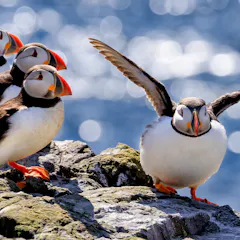
A new assessment of the population status of Europe’s birds reveals that the number of species that are of conservation concern is increasing.
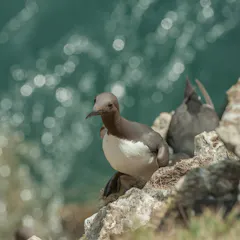
Studying a guillemot colony for 50 years has provided unique insights into how climate change and oil spills affect seabird populations.
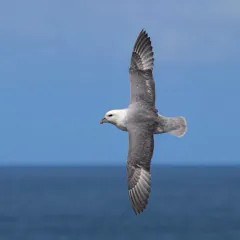
Some of the world’s most threatened birds are exposed to plastic pollution – even far out to sea.
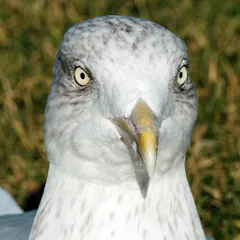
Research has found that urban gulls work out what’s good to eat by watching humans.
Top contributors
-

Emeritus Professor of Zoology, University of Sheffield
-
Associate Professor, School of Biological Sciences, Monash University
-
Research Scientist, Stanford University
-
Reader in Marine Biology, University of Liverpool
-
Senior Research Associate in Marine Ecology, Lancaster University
-
Professor of Conservation Biology, Charles Darwin University
-
Director, FitzPatrick Institute of African Ornithology, University of Cape Town
-
Adjunct professor, Nelson Mandela University
-
Researcher, School of Life and Environmental Sciences, Deakin University
-
Associate Professor in Marine Physics, University of Plymouth
-
Research Fellow, Marine Biological Association
-
ARC DECRA Fellow, Institute for Marine and Antarctic Studies, University of Tasmania
-
Professor of Animal Conservation, University of Dundee
-
Canada Research Chair in Arctic Ecology, McGill University
-
Professor in Oceanography and Public Engagement, Utrecht University