
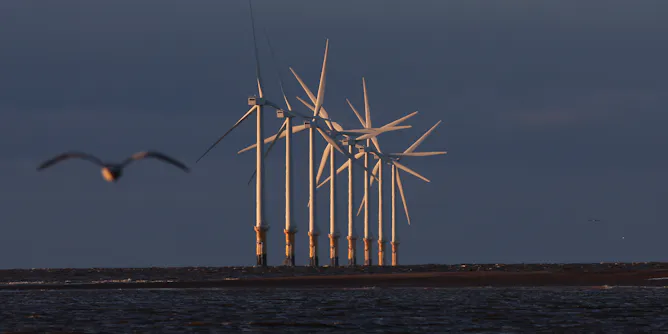
Building offshore wind farms is complex and expensive. But with plenty of wind coming in from the sea, New Zealand could harness the renewable resource as it aims to decarbonise the energy sector.
Articles on Seabirds
Displaying 21 - 40 of 62 articles
Many marine animals, birds and fish are ingesting plastic. New research identifies the first named health effect from it.
Macquarie Island isn’t just a windswept rock halfway to Antarctica. It’s a globally unique home to dozens of bird and marine mammal species, hence the government’s plans to give it greater protection.
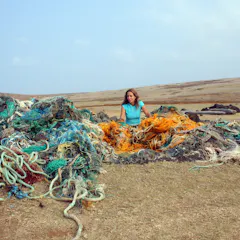
Pam Longobardi collects and documents ocean plastic waste and transforms it into public art and photography. Her work makes statements about consumption, globalism and conservation.
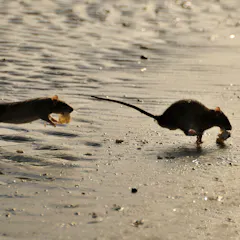
Rats are disrupting the flow of nutrients towards the sea on many tropical islands – this has consequences for fish behaviour and the wider ecosystem.
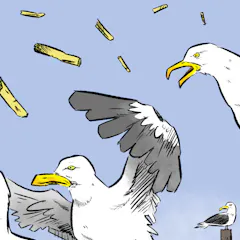
For one, they’ll work as a team to dive bomb potential enemies, even vomiting or defecating on them.
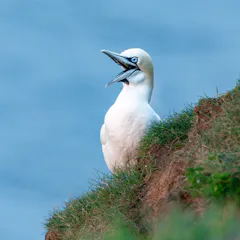
Seabirds seem to be particularly at risk.
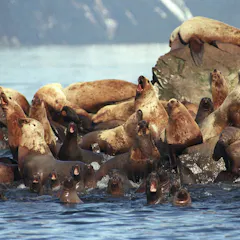
ToxChips study the changes in the DNA of animals exposed to contaminants, like those found in oil spills.
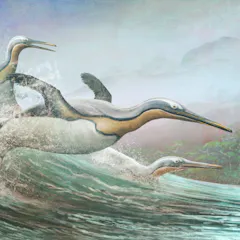
Some penguins would have been as tall (or even taller) than adults today.
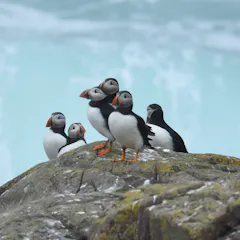
No animals were more exposed to storms Dudley, Eunice and Franklin.
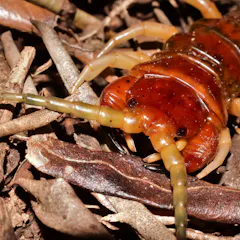
At night the centipede crawls through thick leaf litter, using two sensitive antennae to navigate a labyrinth of seabird burrows across the forest floor.
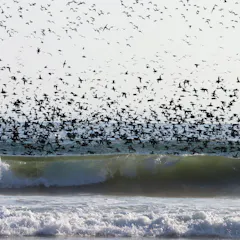
Seabirds journey vast distances across the Earth’s seascapes to find food and to breed. This means their biology, particularly their breeding success, can reveal what’s happening in our oceans.

We used drones to track the way terns forage around offshore energy structures.
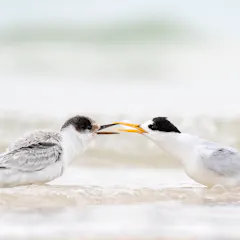
Researcher and photographer Claire Greenwell explains why people are the biggest threat to nesting shorebirds, and the simple ways you can help keep them safe next time you’re at the beach.

Seabird colonies are thought to be in rapid decline. But knowing just how severe the loss is can be a challenge, so some scientists are turning to bird poop for the answer.
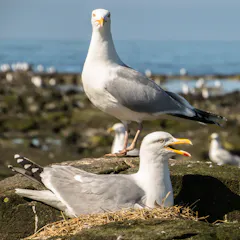
We found plastic waste in pellets seabirds regurgitated and lining the nests where they raise chicks.
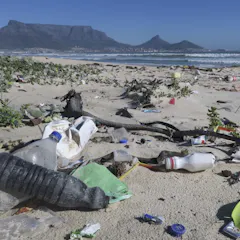
Knowledge about the movement of marine plastics will help reduce the impact of plastic pollution in water bodies.

Scientists were struggling to keep track of illegal fishing in international waters and the seabirds it threatened. Then they had an idea.
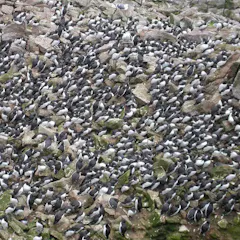
As well as a stark warning about climate change, the disaster underlines the importance of wildlife monitoring.

Emperor Penguins thrive in harsh conditions, but a new study shows that their fate depends on human action to slow global warming and associated loss of sea ice.
Top contributors
-

Emeritus Professor of Zoology, University of Sheffield
-
Associate Professor, School of Biological Sciences, Monash University
-
Research Scientist, Stanford University
-
Reader in Marine Biology, University of Liverpool
-
Senior Research Associate in Marine Ecology, Lancaster University
-
Professor of Conservation Biology, Charles Darwin University
-
Director, FitzPatrick Institute of African Ornithology, University of Cape Town
-
Adjunct professor, Nelson Mandela University
-
Researcher, School of Life and Environmental Sciences, Deakin University
-
Associate Professor in Marine Physics, University of Plymouth
-
Research Fellow, Marine Biological Association
-
ARC DECRA Fellow, Institute for Marine and Antarctic Studies, University of Tasmania
-
Professor of Animal Conservation, University of Dundee
-
Canada Research Chair in Arctic Ecology, McGill University
-
Professor in Oceanography and Public Engagement, Utrecht University