
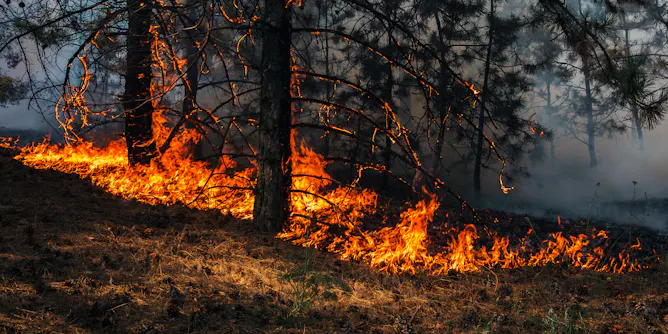
A future of heat and strife or humanity’s finest hour – our response to climate change today will define the 21st century.
Articles on Sea level rise
Displaying 161 - 180 of 331 articles
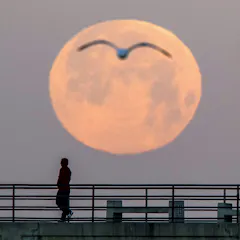
Sea level is still rising, and when that lunar cycle starts upward again, it will mean double trouble for places like Miami.
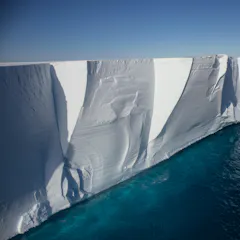
In a new study, we found that a third of Antarctica’s ice shelves could collapse at 4°C of global warming.
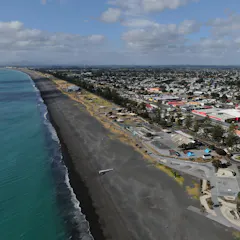
New Zealand is replacing its once groundbreaking environmental legislation with new laws, one of which focuses on climate change adaptation and will include a fund to enable managed retreat.
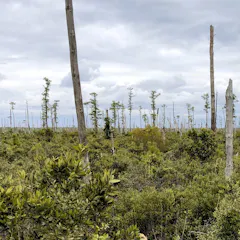
As sea levels rise along the Atlantic coast, saltwater is intruding inland, killing trees and turning coastal forests into marshes. Should scientists try to slow the process, or work with it?
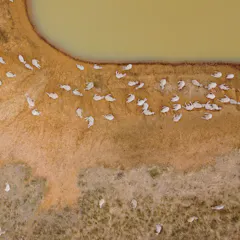
This is not an imaginary future dystopia. It’s a scientific projection of Australia under 3°C of global warming – a future we must both strenuously try to avoid, but also prepare for.
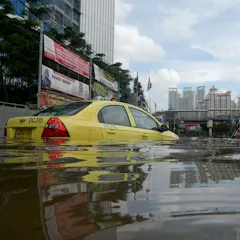
Sinking land plus rising seas are putting hundreds of millions of people at risk.

This ancient ecosystem showed that the ice sheet had melted to the ground
in northern Greenland within the past million years.
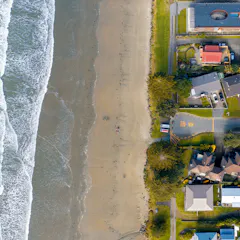
Putting affected people and communities at the centre of difficult relocation decisions must be a priority under laws that replace the old Resource Management Act.
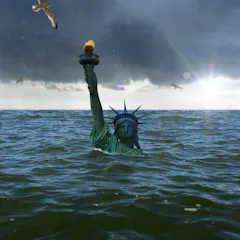
Cultures worldwide are awash with tales of great floods. What can they tell us about the reality of a wetter world?

Climate change is a true existential threat for small island nations, but the US has done little to help the Marshall Islands, which it administered for decades.
A changing climate means parts of Australia will get hotter, some drier, others wetter and we can expect more extreme fire days.
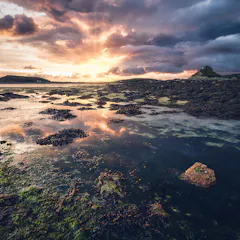
New research has mapped sea-level rise around the Isles of Scilly over the last 12,000 years.

Birds found along the Gulf Coast have evolved to ride out hurricanes and tropical storms. But with development degrading the marshes where they live, it’s getting harder for them to bounce back.
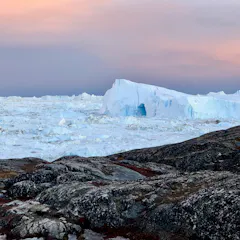
Greenland’s glaciers have retreated so far that they can no longer support the ice sheet that feeds them. The ice sheet system has reached a new normal of consistent annual ice loss.
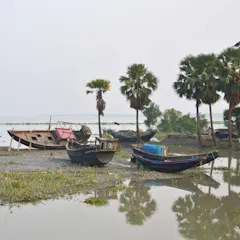
Rising sea levels are as likely to trap people as they are to force them to move.
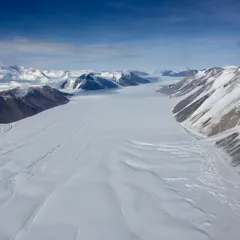
We have had to adapt to several changes to our climate since we started our migration out of Africa many thousands of years ago.
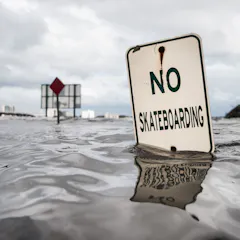
How destructive storm surge gets depends on both the hurricane and the shape of the land.
The report by the World Meteorological Organisation shows that with large and rapid emissions cuts, we can still avoid the most severe climate change. But worryingly, we also have time to make it far worse.
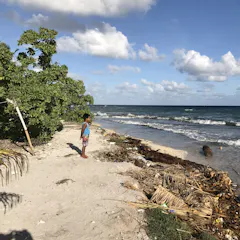
The president of Kiribati plans to raise its low-lying islands to fight, not flee, sea level rise. Here’s why it’s an expression of human dignity.
Top contributors
-

Chair Professor, Climate Change Research Centre, UNSW
-
Professor of Geography, School of Law and Society, University of the Sunshine Coast
-
Professor of Climate Adaptation, University of East Anglia
-
Professor of Glaciology and Earth Observation, University of Bristol
-
Professor of Polar Geodesy and ARC Laureate Fellow, University of Tasmania
-
Assistant Professor, Disaster Research Center, University of Delaware
-
Principal Research Scientist, CSIRO
-
Senior Lecturer, School of Geography, Planning, and Spatial Sciences, University of Tasmania
-
Emeritus Professor, University of Sydney
-
Lead - Pilot Deployments Program (AIMS); Professor (Queensland University of Technology; Adjunct), Queensland University of Technology
-
Professor of Glaciology, Te Herenga Waka — Victoria University of Wellington
-
Adjunct professor, UNSW
-
Associate Professor, and Associate Investigator for the ARC Centre of Excellence for Climate Extremes, Monash University
-
University visitor, University of Southampton
-
Pro Vice-Chancellor of Research, University of Technology Sydney