
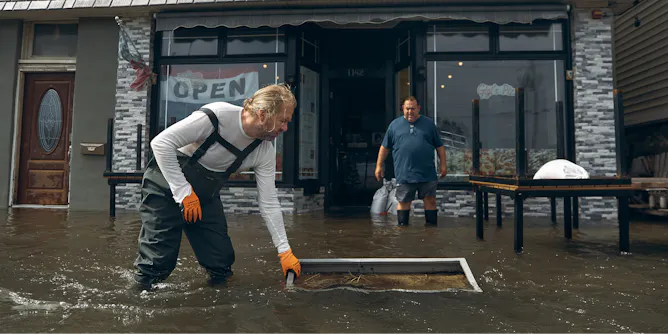
Several factors make for high water levels, and they conspired to worsen the storm surge that flooded coastal areas from North Carolina to New York.
Articles on Sea levels
Displaying 1 - 20 of 94 articles
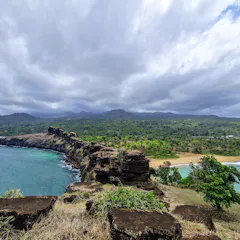
An El Niño event combined with other weather phenomena led to record level sea rise in African oceans during 2023 and 2024.
Thai villagers are not giving up on saving their homes from coastal erosion.
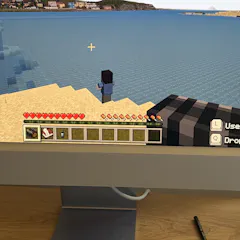
A new version of Minecraft gives players the chance to make decisions about tackling coastal erosion in scenarios based on Bude in Cornwall.
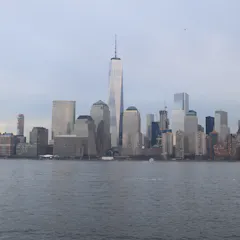
Land subsidence is a factor as preparations are made for rising sea levels and strengthening storms. Human infrastructure, including buildings and groundwater extraction, increases vulnerabilities.
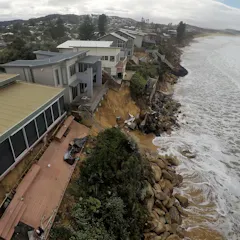
Even a small rise in sea level can have big impacts on coastal properties, so we must do all we can to limit the changes while taking them into account in coastal land-use planning.
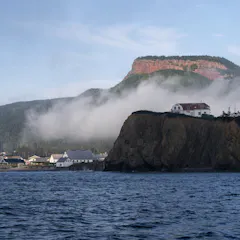
As seas rise, it is clear that traditional coastal defence approaches are unable to keep pace. Nature-based solutions offer considerable potential to protect coasts, people and biodiversity.
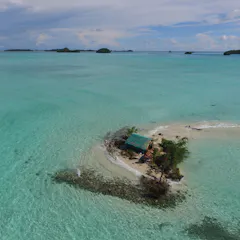
Rising seas are pushing coastal ecosystems to the limit of endurance. Now international research reveals a “tipping point” will be reached if we allow more than 2 degrees of global warming.
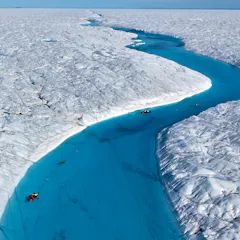
Glaciologists are discovering new ways surface meltwater alters the internal structure of ice sheets, and raising an alarm that sea level rise could be much more abrupt than current models forecast.
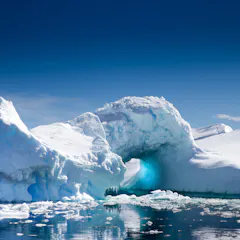
The melting of the Antarctic ice sheet will contribute for a long time to sea level rise, which will test humanity’s capacity to adapt.
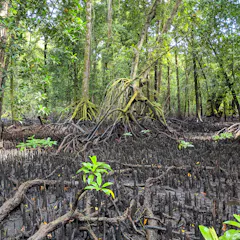
A new analysis of deep soil sediments accumulated in the mangroves of Pohnpei and Kosrae islands reveals a potentially different history of human arrival in this oceanic region.
Rising sea levels due to climate change are already having severe impacts on the nation of Tuvalu. It proposes to build a digital replica of itself in the metaverse. Could it be done?
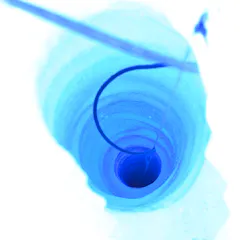
Researchers from the University of Oslo have drilled to the bottom of the Kongsvegen glacier. Find out why and how they are listening to the destabilisation of Arctic glaciers: The MAMMAMIA project.
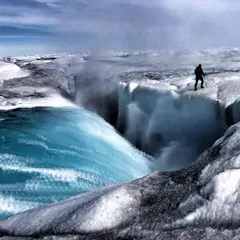
A field glaciologist explains the changes scientists are now seeing.
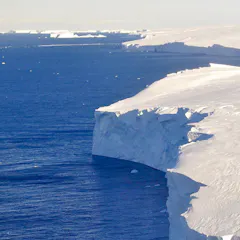
Thwaites Glacier’s ice shelf appears to be splintering, and scientists fear it could give way in the next few years. A polar scientist takes us on a tour under the ice to explain the forces at work.
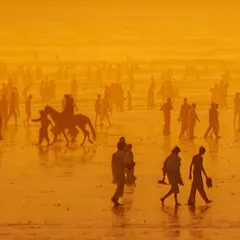
If fossil fuel burning stopped, emerging research suggests air temperatures could level off sooner than expected. But that doesn’t mean the damage stops.
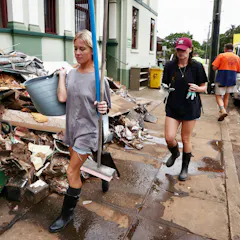
Simply providing passive information is not enough. Governments must find better ways to deliver important messages about natural hazards.
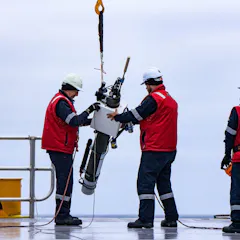
A new analysis, using 15 years of autonomous underwater measurements and simulations from the latest global climate models, refined our estimate of future ocean warming and sea level rise.
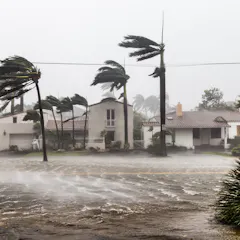
As weather becomes more extreme, the value of coastal wetlands is increasing.
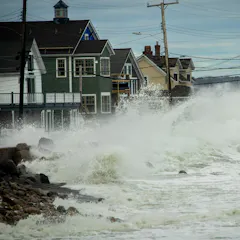
The IPCC report has laid out some alarming sea level projections for the future. But the relationship between sea level rise and real-world risk is complex.
Top contributors
-

Chair Professor, Climate Change Research Centre, UNSW
-
Principal Research Scientist, CSIRO
-
Professor of Polar Geodesy and ARC Laureate Fellow, University of Tasmania
-
Managing Director, Triple Helix Consulting; Honorary Professor, ANU Fenner School for the Environment and Society, Australian National University
-
Professor in Tourism Geography, University of Johannesburg
-
Professor of Glaciology, Fulbright Scholar, University of Tromsø
-
Industry/Professional Fellow, Institute for Sustainable Futures, University of Technology Sydney
-
Lead - Pilot Deployments Program (AIMS); Professor (Queensland University of Technology; Adjunct), Queensland University of Technology
-
Professor of Physical Geography, University of the Witwatersrand
-
University Associate, Institute for Marine and Antarctic Studies, University of Tasmania
-
Associate Professor of Climate Adaptation, University of Tasmania
-
Sean Ulm is a Friend of The Conversation.
Director, ARC Centre of Excellence for Indigenous and Environmental Histories and Futures, James Cook University
-
Director, Archaeology Institute, University of the Highlands and Islands
-
Senior Lecturer, School of Geography, Planning, and Spatial Sciences, University of Tasmania
-
Adjunct Research Fellow, Te Herenga Waka — Victoria University of Wellington