
Beyond deprioritizing scientific merit, the Trump administration’s proposal also restricts researchers’ ability to share their findings and collaborate with each other.
Articles on Peer review
Displaying 1 - 20 of 109 articles

Unclear standards combined with power dynamics can create problems for women researchers.

The era of fully automated research has arrived.

Science itself isn’t ‘truth,’ but it is an activity with the goal of getting closer to the truth.

The safeguards in place to protect research integrity are not keeping pace with the tools that can be used to circumvent them.
Peer review is so integral to the scholarly system that research would grind to a halt without it.
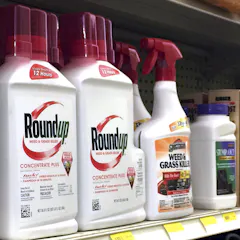
The recent retraction of peer-reviewed research claiming glyphosate is safe confirms what Indigenous communities have said for years.

We have to tighten up on what research policymakers rely on, and also the inner workings of peer review.
An AI audit of scientific research would likely expose some fraud and widespread inconsequential work. But we need to be careful it doesn’t discredit science in general.

Peer review is an important step after a researcher has carried out a scientific study but before it gets published by a journal and shared with the world.
‘Fast science’ can damage research integrity – just as fast food can damage your health. ‘Slow science’ offers an alternative path forward.
The peer review process is central to science – but it can be easily manipulated. Improving it is vital to uphold research integrity.
How can the science community minimise the risks but maximise the benefits of AI?

Peer review ensures the findings of research are trustworthy. But what happens when it’s performed by an AI model?
A member of a grant review panel explains the ins and outs of applying for research funding – and the consequences of when the process suddenly stops.

Peer review is often assumed to guarantee quality, but it doesn’t always work so well in practice.

Today we removed an article titled “Should we ditch big exam halls? Our research shows how high ceilings are associated with a lower score”, because the original research has been retracted.

Publications drive university rankings and career progression. But the relentless pressure to publish has contributed to an increase in fraudulent data.
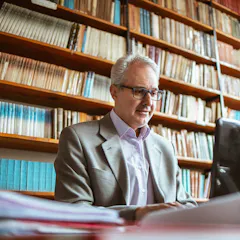
Politics and the lack of compensation are among the factors that can undermine the peer review process, which is important to the quality of knowledge in academic journals.
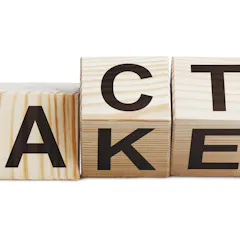
In some cases, it can be difficult for academics to know which journals are not credible – but other times, people feel pressure to publish in these publications.
Top contributors
-

Senior Lecturer, Australian National Centre for the Public Awareness of Science, Australian National University
-
Professor, School of Psychology, University of Sydney
-
Editor in Chief, Medical Journal of Australia, Queensland University of Technology
-
Programme leader, MRC Cognition and Brain Sciences Unit, University of Cambridge
-
Senior Research Fellow, Max Planck Institute for Innovation and Competition
-
Professor of Pharmaceutical Sciences, University of Iowa
-
Professor of Belonging Science, School of Educational Psychology and Inclusion, Faculty of Education, Monash University
-
Professor of Organisational Behaviour, Bayes Business School, City St George's, University of London
-
Senior Research Fellow, Uehiro Centre for Practical Ethics, University of Oxford
-
Senior Lecturer, Management, University of Tasmania
-
Lecturer in History of Medicine/Life Science, The University of Melbourne
-
Professor of Organisational Sociology and Leadership, Cambridge Judge Business School
-
Distinguished Professor of Marine Science, King Abdullah University of Science and Technology
-
Williams Memorial Professor of Law, Northwestern University
-
Professor of Sociology, University of Nottingham