
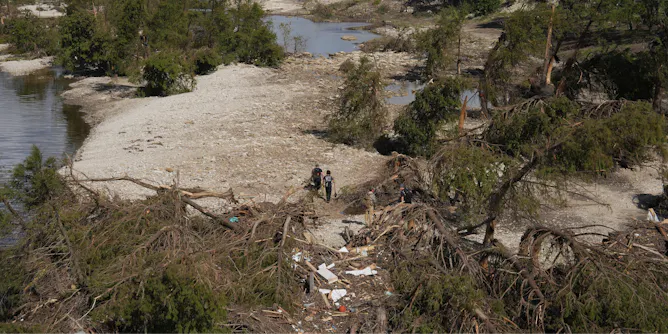
Flash floods are increasing in frequency, severity and impact. The Canadian government needs to learn from the Texas tragedy and co-ordinate weather information and warning systems.
Articles on Resiliency
Displaying all articles

Children need adults who are well enough to care for them and present enough to notice their struggles. A child development specialist offers four strategies parents can try to use, even when worn down.
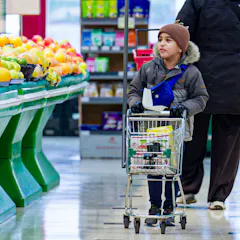
‘Old Enough’ exemplifies many important insights for parents about nurturing relationships with their children that support their emerging independence.

Increasingly, high-profile athletes are making a point of taking a break from competing to protect either their mental or physical health.
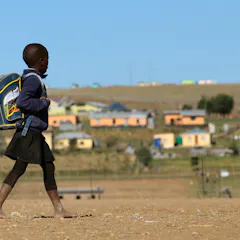
Rural school leaders must develop resilience in their pursuit for learners’ success.
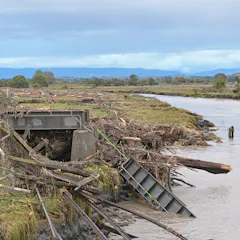
Labour’s ‘Adapt and Thrive’ plan for climate resilience is unlikely to survive the new government’s priorities. But the country cannot avoid addressing its urgent infrastructural deficit.
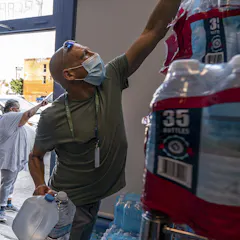
A new report lays out steps communities can take to help their residents survive heat waves as the risk of dangerous temperatures rises.

Athletes develop resilience over time, building mental and social skills that act as a shield against the negative effects of adversity and failure.
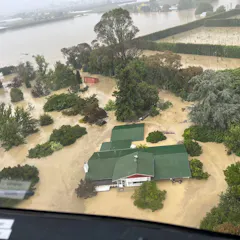
Australians are in New Zealand to help out in the aftermath of Cyclone Gabrielle. After multiple big floods in Australia, our neighbours have learned a lot about resilience in the face of disaster.

As the potential for space travel increases, it is necessary to develop methods to protect astronauts from environmental stresses in space. Studying the DNA of baker’s yeast may provide some clues.

Climate change predictions often use the year 2100 as an end-point. But it’s important to consider what will happen beyond that, at least up to the year 2500.
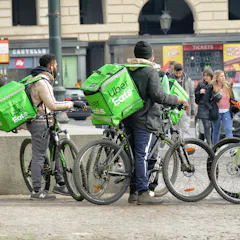
Gig work is entering almost every industry and changing the relationship between workers, employers, service providers and customers. But gig workers face new and unique challenges.
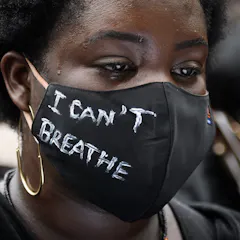
A study of 800 Black American families shows early experiences of racism have long-term consequences for physical and mental health.
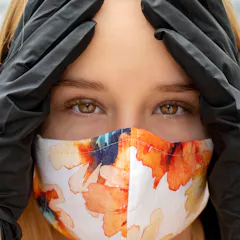
In the time of the coronavirus, learning how to adapt to adversity belongs in your toolkit.
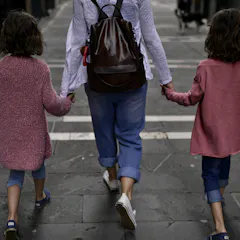
We’ve got this: parents can build kids’ resiliency in by focussing on what’s going well, maintaining some predictability and order, modelling belief in their own abilities and caring for themselves.

A psychologist explains how to get a grip on anxiety triggered by COVID-19.

Communications networks are a crucial part of any disaster planning. Resilient communications systems determine how effective emergency responses can be.
Top contributors
-

Lecturer in Applied Sport & Exercise Psychology, University of Portsmouth
-
Associate professor, University of Johannesburg
-
Associate Professor of Management, University of North Carolina – Greensboro
-
Lecturer, School of Earth and Environment, University of Leeds
-
Michael and Susan Jandernoa Professor of Management and Organizations, University of Michigan
-
Professor of Philosophy and Environmental Studies and Sciences, Gonzaga University
-
Assistant Professor of Psychology, Georgia State University
-
Associate Professor, Palaeobiology, University of Oxford
-
Assistant Professor, Faculty of Education, Wilfrid Laurier University
-
Instructor, Systems and Computer Engineering, Carleton University
-
Professor of Human Development and Family Sciences, University of Connecticut
-
Professor of Tropical Ecology, University of York
-
Professor, Environment and Geography, University of York
-
Professor of Construction Management, Auckland University of Technology
-
Assistant Professor, Haskayne School of Business, University of Calgary