

As one piece of more than a century of baseball traditions, eye black is part science experiment, part routine and part uniform.
Articles on Sports psychology
Displaying 1 - 20 of 48 articles

A sport psychologist takes a look at disruption, tactical creativity and controlled mind-wandering in the modern game.

Team sports like soccer or hockey can include situational pressures on specific positions such as goalies or anyone taking a penalty shot.

The pressure of acting can take a brutal toll on actors yet most fail to engage in performance psychology.
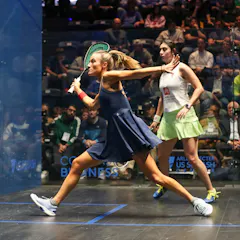
Philadelphia has become the US epicenter of squash and home to Team USA.
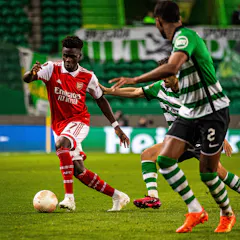
Not a single Premier League club has chosen red for an away kit this season.
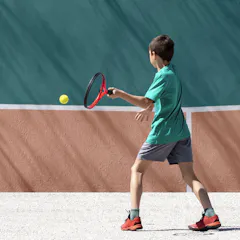
Imagination is a fundamental tool for everyday life. Unsurprisingly, many kids harness it during athletic play, conjuring a fun teammate, a supportive coach or a worthy opponent.
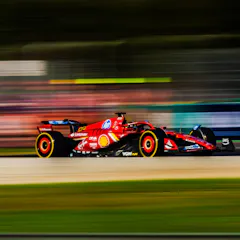
Many top drivers report feeling like they drive in slow motion.
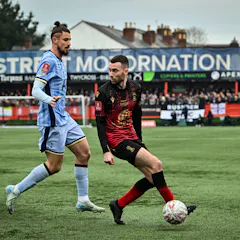
A part-time footballer and full-time university lecturer on how he and his team-mates prepared for the match of their lives.
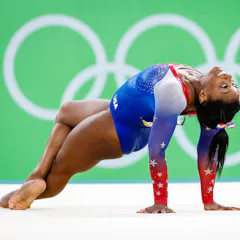
Whether affecting elite gymnasts on the balance beam or the rest of us during our daily lives, understanding and overcoming mental blocks can lead to moments of greatness.
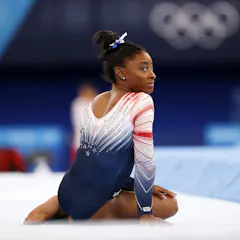
Increasingly, high-profile athletes are making a point of taking a break from competing to protect either their mental or physical health.
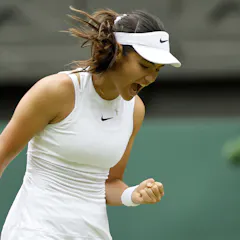
Athletes who see stress as beneficial are likely to interpret moments like a knockout match in the European Championships as a challenge rather than as a threat.
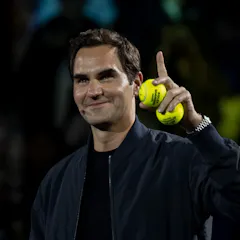
A young Federer realised that the course of a tennis match was demanding not just physically, but also psychologically.
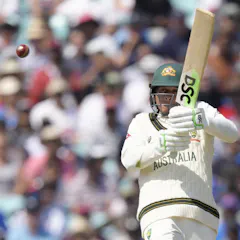
The ‘nervous nineties’ captures the idea that batters with 90 or more runs become anxious as get close to scoring a century. But is it true?
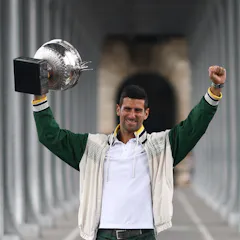
Athletes develop resilience over time, building mental and social skills that act as a shield against the negative effects of adversity and failure.

Superstitions have a role in helping hockey fans and players feel more in control of the game.
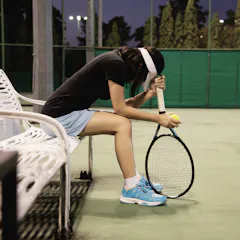
How athletes use memory can make the difference when performing at a high level.
Great sporting feats are often achieved when an elite athlete is ‘feeling the flow’.
Making that choice is not easy but it is important to the longevity of an athlete’s career.
Plus, the troubled 1920 Antwerp Olympics and the parallels they have for Tokyo. Listen to The Conversation Weekly.
Top contributors
-

Assistant Professor, School of Media, Toronto Metropolitan University
-
Senior Lecturer in Sport & Fitness, The Open University
-
Lecturer in Applied Sport & Exercise Psychology, University of Portsmouth
-
Professor of Neuropsychology, Drexel University
-
Lecturer in the School of Psychology, University of Plymouth
-
Senior Lecturer in Sport and Fitness, The Open University
-
PhD Research Student in Sport and Exercise Psychology, University of Exeter
-
Clinical Assistant Professor of Counseling Psychology and Applied Human Development, Boston University
-
Professor and Head of the School of Sport, Health and Exercise Sciences, Bangor University
-
Chair and Director, Institute of Coaching and Performance, University of Lancashire
-
Senior Lecturer in Sport and Exercise Psychology, Cardiff Metropolitan University
-
Professor of Sports Performance Education, The Open University
-
Assistant Professor, Florida International University
-
Senior Lecturer, Sport Psychology, Kingston University
-
Post-Doc Researcher in Sport Psychology, Bangor University