
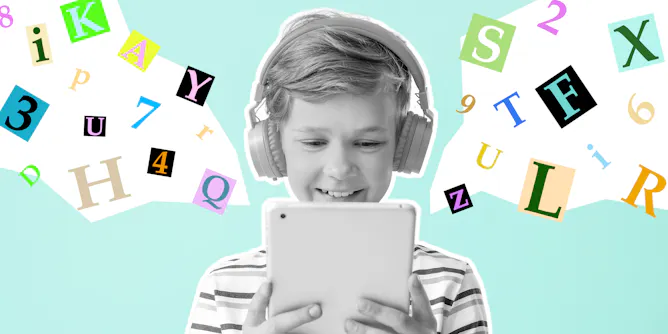
Listening to stories can remove the ‘decoding’ process that dyslexia sufferers struggle with.
Articles on Reading
Displaying 21 - 40 of 496 articles

Getting lost in a book is now regarded as an enriching experience – but a few hundred years ago, reading novels was considered a corrupting force.
These expert recommendations are short enough to tear through over a weekend
Some teachers increasingly are shifting their approach to reading, assigning fewer books than they once did.

Home languages can help children learn English and become stronger readers.
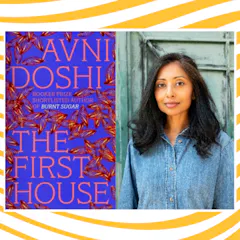
A marriage ends unexpectedly and a woman realises that all she worked for meant denying her self and surpressing her true identity.
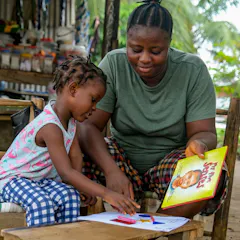
Reading together and taking an interest in homework makes a difference to young children’s learning.

Ray Carney is back in the concluding chapter of the Harlem Trilogy, and finally trying to kick his criminal side hustle.

Reading rarely starts with abstract arguments about its value – it often begins with subjects that already matter.
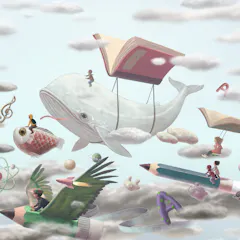
As schools focus more on evidence-based reading instruction, less time is available for children to practice reading for pleasure.

Five books that span time and place, from the music scene in 80s London to the philosophical scene of Ancient Rome.

Five books that take you all over the world

Most people absorb social media content without questioning it. Switching to active reading is one of the most practical defences against misinformation.
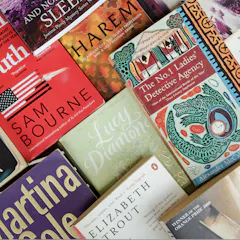
For some adults, the problem is not beginning a ‘reading journey’ but rebuilding one that stalled years earlier.
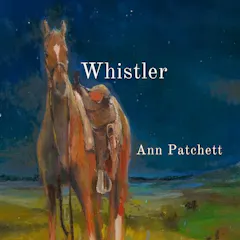
Ann Patchett’s 11th novel follows a daughter and father who reunite and learn to be better to each other.
Reading and understanding comics is much more complex than you might initially think.
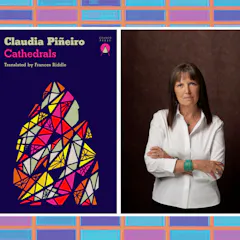
The unsolved murder of a young girl in Argentina sends shockwaves through generations of a religious family.
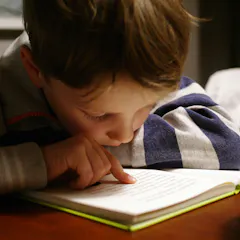
Reading is arguably the most difficult task one must learn. To understand why it is difficult, one must understand the physiology of reading.
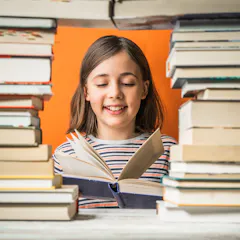
In adolescence, reading stimulates cognitive development and critical thinking.
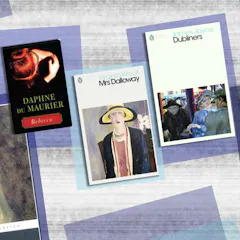
Many literary masterpieces are long and wordy, But reading them can bring surprising benefits, beyond sheer pleasure. Here’s how to tackle the classics.
Top contributors
-

Associate Professor, University of Southern Denmark
-
Associate Professor in Language, Literacy and TESL, University of Canberra
-
Sessional Tutor, Charles Sturt University
-
Professor of Reading and Children’s Development, The Open University
-
Honorary Associate in Creative Writing, The Open University
-
Professor Emerita of Linguistics, American University
-
Chancellor's Professor, Psychology, Carleton University
-
Senior Lecturer, Writing, Department of Media and Communication, Swinburne University of Technology
-
Deputy CEO (Research), Australian Council for Educational Research
-
Associate Professor of Postcolonial and Global Literatures, Nottingham Trent University
-
Professional Learning and Development Facilitator in Literacy Education, Te Kunenga ki Pūrehuroa – Massey University
-
Researcher in TESOL & Literacy, University of Notre Dame Australia
-
Associate Professor of Early Childhood Education, University of Maryland, Baltimore County
-
Associate Professor in Department of English Literature, Anglia Ruskin University
-
Associate Professor in English Literatures, University of Wollongong