
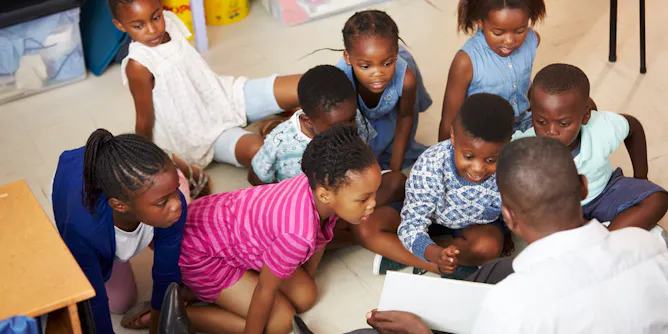
The problem in learners’ reading performance lies in how reading is taught in most South African schools. Learners are not taught to understand the written word and make sense of it for themselves.
Articles on Reading
Displaying 381 - 400 of 497 articles
The results of an international study into reading skills offer reason for optimism for Australian students. But tragically, too many children are still being left behind.
Should children with reading difficulties get their hearing checked?

French is no longer taught as a European language representative of “French” culture in South Africa. New modes of teaching, learning and research speak to an inclusive Africanist agenda.
Digital textbooks might be less cumbersome. But a new series of studies finds that reading from screens can hamper our ability to process and retain information.

Humans and computers are collaborating to create a new genre of ‘synthetic literature’. But how does it work and can a computer ever really be creative?
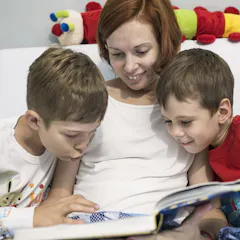
Parents want to do everything they can to get their kids’ school year off to a good start. Here’s why talking with them is one of the best ways to do that.

Data shows that the gender wage gap can be partially explained by how different skills and psychological traits are treated in the labour market.

The shortlist is out, but who wins? You decide.
The mass generation of customised content may have very real social implications.
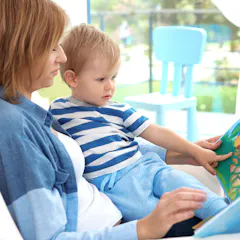
Why are parents increasingly inserting their child’s name into stories?

There are benefits to shared reading long after children can read to themselves, so how long should you read to your children?
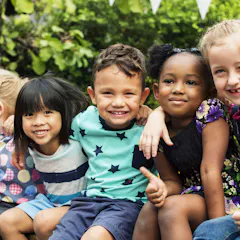
Ontario’s investment in a unique two-year, full-day and play-based kindergarten program is paying off. Could similar results happen elsewhere?
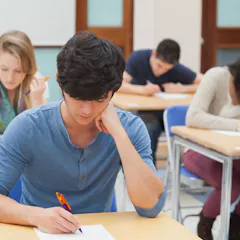
This year’s preliminary NAPLAN results show Australian students are flatlining after ten years of the controversial tests.
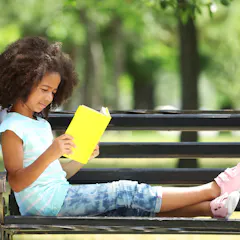
Eye-tracking research reveals that children are likely to read new words faster and easier if they have heard the words before.
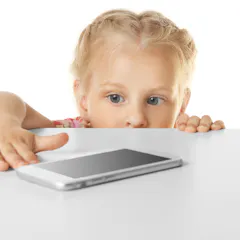
Teaching fear and avoidance of technology may protect people from negative consequences. But it also prevents them from finding, and benefiting from, productive uses of new innovations.
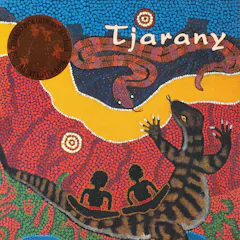
These books introduce children to Indigenous culture and experiences through colourful pictures and powerful storytelling.
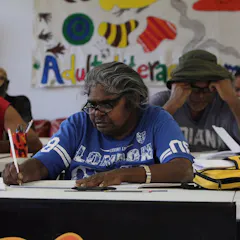
The children who are least likely to attend school regularly – and do well – grow up in households where the adults themselves have very poor literacy skills.
We are not hard-wired to read. It has taken thousands of years of practice to forge connections in our brains to help us do this.
Four tips for teaching reading.
Top contributors
-

Associate Professor, University of Southern Denmark
-
Associate Professor in Language, Literacy and TESL, University of Canberra
-
Sessional Tutor, Charles Sturt University
-
Professor of Reading and Children’s Development, The Open University
-
Honorary Associate in Creative Writing, The Open University
-
Professor Emerita of Linguistics, American University
-
Chancellor's Professor, Psychology, Carleton University
-
Senior Lecturer, Writing, Department of Media and Communication, Swinburne University of Technology
-
Deputy CEO (Research), Australian Council for Educational Research
-
Associate Professor of Postcolonial and Global Literatures, Nottingham Trent University
-
Professional Learning and Development Facilitator in Literacy Education, Te Kunenga ki Pūrehuroa – Massey University
-
Researcher in TESOL & Literacy, University of Notre Dame Australia
-
Associate Professor of Early Childhood Education, University of Maryland, Baltimore County
-
Associate Professor in Department of English Literature, Anglia Ruskin University
-
Associate Professor in English Literatures, University of Wollongong