
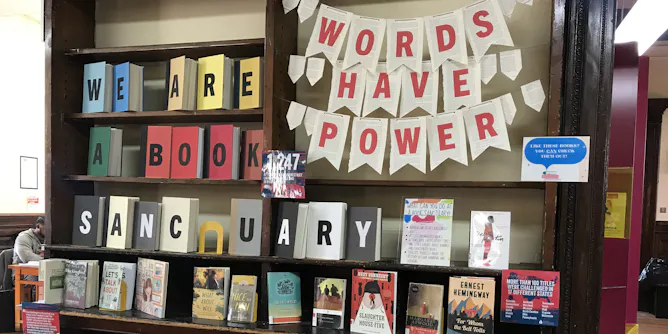
A study of more than 1,600 books suggests that book ban advocates may not look past the cover art.
Articles on Reading
Displaying 81 - 100 of 496 articles

An assessment of a learning intervention showed that the impact differed between groups of pupils.

Reading stories with young children lays the foundation for language and literacy development.
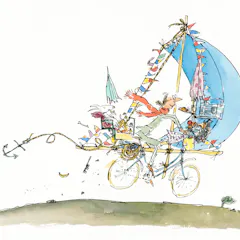
A new exhibition reveals how Blake’s warm, funny and kinetic illustrations transport readers young and old.

Even before generative AI went mainstream, fewer people were reading books.

Bookshelves as decor were trends in the 19th and 20th-centuries, too. So were book-of-the-month clubs and popular media on books. They helped make reading popular.

Study finds a gap between policy and textbook that skews literacy test results.

Sydney’s new year-round program of literary events is budgeted at $1.5 million, creating over 300 paid opportunities for writers over 12 months.

Whether reading a book or listening to a podcast, the goal is the same: understanding. But these activities support comprehension in different ways.

The WritersBLOCK / ReadersBLOCK project in Hobart is a reminder of the importance of stories, and the benefits of making time to slow down and enjoy them.

In Alice Pung’s family, love was imbued with anxiety and fear. But in books, adults had reasoned discussions and talked to children as if their thoughts mattered.

Something about the house is not quite right – it’s hiding deep and dark secrets.
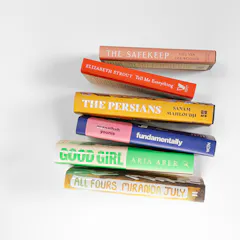
There are stories about family, sex, history, death and fundamentalism.

During the Industrial Revolution, craftsmanship retreated to the margins. As AI becomes widely adopted, will the same happen to original thinking?

Translator Deepa Bhashti has delivered a bold and memorable translation of this collection of stories.

The Coin is a profound meditation on our our complicity in the destruction of another place and people.

The effectiveness of a self-help book depends largely on the quality of its content and how it is used by readers.

People who read report a deeper understanding of others’ experiences and beliefs.
Compared with today’s structured literacy and standardised testing, the 1953 reading syllabus was a remarkably non-prescriptive blueprint for both teachers and pupils.
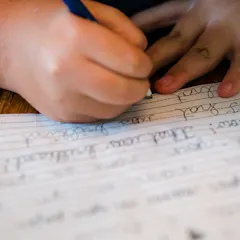
Teachers often have trouble finding enough time in the school day to teach all the expected writing skills, let alone cursive handwriting.
Top contributors
-

Associate Professor, University of Southern Denmark
-
Associate Professor in Language, Literacy and TESL, University of Canberra
-
Sessional Tutor, Charles Sturt University
-
Professor of Reading and Children’s Development, The Open University
-
Honorary Associate in Creative Writing, The Open University
-
Professor Emerita of Linguistics, American University
-
Chancellor's Professor, Psychology, Carleton University
-
Senior Lecturer, Writing, Department of Media and Communication, Swinburne University of Technology
-
Deputy CEO (Research), Australian Council for Educational Research
-
Associate Professor of Postcolonial and Global Literatures, Nottingham Trent University
-
Professional Learning and Development Facilitator in Literacy Education, Te Kunenga ki Pūrehuroa – Massey University
-
Researcher in TESOL & Literacy, University of Notre Dame Australia
-
Associate Professor of Early Childhood Education, University of Maryland, Baltimore County
-
Associate Professor in Department of English Literature, Anglia Ruskin University
-
Associate Professor in English Literatures, University of Wollongong