
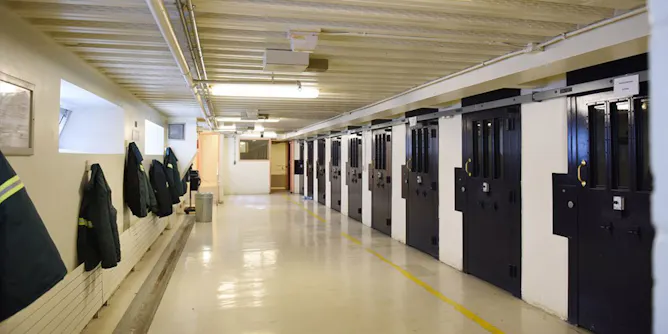
It is not just policing agencies that have a systemic racism problem, Canadian prisons do too
Articles on Prisons
Displaying 101 - 120 of 252 articles

In a system that treats people as objects to be counted, chained, searched and assigned a number, art is a way for prisoners to reassert their agency – and reclaim their lives.

As we emerge from the pandemic, we need to rebuild our justice system to invest more in First Nations communities, not prisons. It is vital we not return to the status quo.
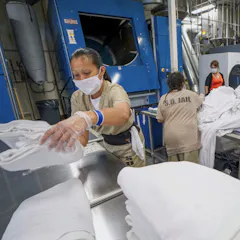
Amid the COVID-19 pandemic, missteps in transitioning the incarcerated back to their communities places this already vulnerable populace at greater risk of getting and transmitting the virus.
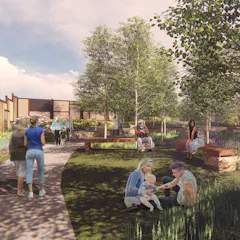
About half of incarcerated women in the United States are mothers to children under age 18. Natural spaces within a prison can help maintain their mother-child bonds.
Humane measures must be taken to reduce the risks of COVID-19 to incarcerated people. But there are serious barriers to safe community reentry.
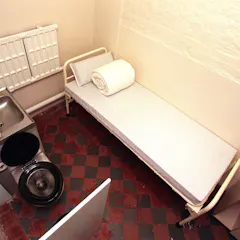
Prisons in the 18th and 19th centuries were hit hard by pandemics – with some drastic measures to stem the spread.
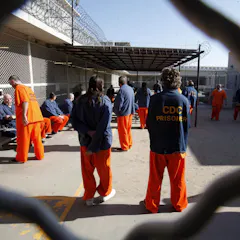
Prison lawyers in Canada are scrambling to fill the gap left by federal inaction on inmate populations who are vulnerable to COVID-19. A recent case in Ontario could provide a legal precedent.
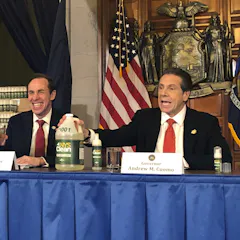
Incarcerated Americans have been tasked with washing hospital laundry, manufacturing protective equipment, disinfecting cleaning supplies and digging mass graves.
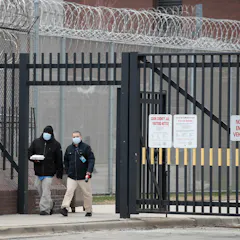
Half of incarcerated individuals have either a chronic medical or a mental health condition. But social distancing and rigorous hygiene are unattainable for many US jails and prisons.

The 2020 census will now count some groups differently than it has in the past. That could make a difference in the final count – affecting which states receive funding and congressional seats.
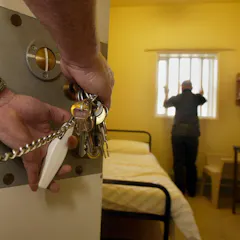
Prisons are already a hotbed of disease, and without action COVID-19 could have catastrophic consequences behind bars.
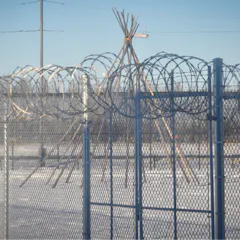
Rapidly decreasing the prison population by letting people out is a public health imperative as governments for solutions to slow down the spread of the COVID-19 virus.
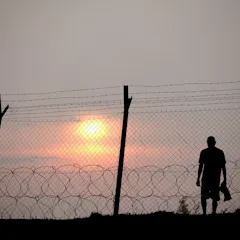
Experiences overseas show that releasing prisoners held on less serious offences early in the pandemic is essential to protect those inside the jail and the wider community.
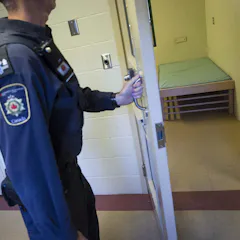
Urgently needed treatment for opioid use disorder is often denied to incarcerated people, feeding the crisis in prisons and jails.
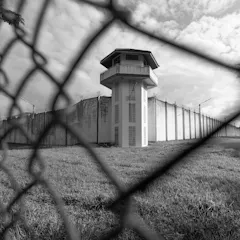
This year’s oversight report into the penitentiary system shows that long-standing problems have become entrenched in Canada’s federal prisons.
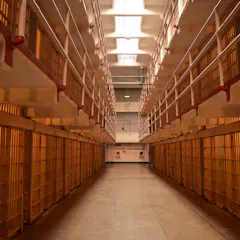
Education for those behind bars is gaining more attention. In these four articles, scholars take an up-close look at efforts to provide – and restrict – higher education in prison.

More and more district attorney candidates are running on reversing the government’s traditional approach to crime and punishment. And they’re winning.

A scholar who has taught in prison weighs in on ‘College Behind Bars,’ which airs Nov. 25 and 26 on PBS. The documentary prompts viewers to consider the importance of higher education in prison.
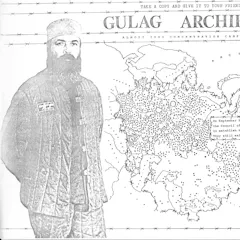
Performances of prison life are commonplace nowadays in gulag museums. Visitors can vividly imagine it all – the tears, pain and despair.
Top contributors
-

Senior Lecturer, Political Science and International Relations, University of Canterbury
-
Professor of Law, University of Technology Sydney
-
Senior Lecturer in Social Work, University of Salford
-
Professor of Criminology, Australian National University
-
Assistant Professor, Criminology, Toronto Metropolitan University
-
Assistant Professor of Sociology, University of Houston
-
Senior Lecturer in Interior Architecture, Te Herenga Waka — Victoria University of Wellington
-
Emeritus Professor in Law and Criminal Justice, Adelaide University
-
Associate Professor of Political Science, Emerson College
-
Professor of Criminology, University of Portsmouth
-
Professor of Criminology, University of Bath
-
ARC Future Fellow and Professor of Criminology, The University of Melbourne
-
PhD Candidate, University of Technology Sydney
-
Professor, The University of Western Australia
-
Honorary Fellow, School of Humanities & Social Sciences, Deakin University. Fellow of the Australian & New Zealand Society of Criminology., Deakin University