
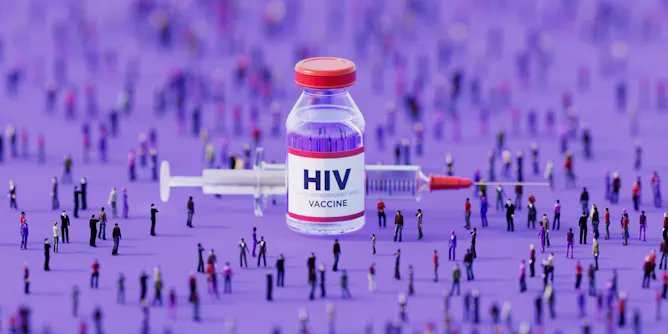
Africa’s investment into research and development is far below the global average.
Articles on Pre-exposure prophylaxis
Displaying 1 - 20 of 21 articles

People are at the heart of the HIV pandemic, so it’s important to understand how they make protection decisions.

PrEP can reduce the risk of sexually transmitted HIV infection by 99%. Discrimination and distrust are two barriers Black gay men face in accessing this lifesaving treatment.

HIV prevention and treatment have made great strides, but barriers created by stigma, laws and logistics remain.
A breakthrough drug is a significant step forward in the fight against HIV. But without changes in behaviour, infection rates won’t come down.

Funding announced in this week’s federal budget moves Australia closer to eliminating HIV.
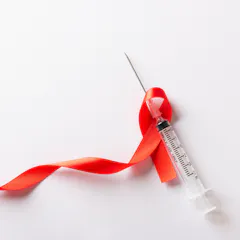
The next step in HIV prevention — long-acting injectable pre-exposure prophylaxis (PrEP) — is not yet available in Canada, a year after its approval in the U.S.
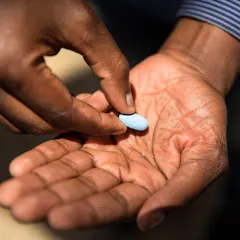
Judge Reed O'Connor ruled in a case that coverage for HIV prevention medicine PrEP violated the religious freedom of the plaintiffs. It is unclear whether the order will extend nationwide.

Current HIV criminal laws increase HIV stigma and discrimination against marginalized people – and negatively affect public health.

South Africa’s data rollout of its pre-exposure prophylaxis shows that there is a relatively slow, but increasing, uptake. However, more needs to be done to target young women.

Stigma stops people from getting tested for HIV, and staying on their treatment. Unless it’s addressed, the AIDS epidemic will persist.
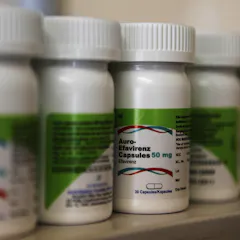
The introduction of Pre Exposure Prophylaxis drugs in Kenya aims at reducing new HIV infections among people facing substantial ongoing risk.

Stemming high HIV rates among adolescent girls and young women in sub-Saharan Africa has become a challenge due to the cycle of transmission.
Trials have shown that rates of HIV infection are reduced if people not infected with HIV take anti-retrovirals - known as pre-exposure prophylaxis (PrEP). But adherence to a daily dose is a problem.

The focus of the 2016 International AIDS Conference has on access to necessary antiretrovirals, equity and making sure no-one is left behind. But there is a funding gap that needs to be addressed.

Taking antiretrovirals is key to reducing HIV infection rates, but the challenge lies in making sure people who know they are infected actually take the drugs.

Three new studies conducted in South Africa provide insights into the engine that drives HIV transmission in the country.

If the vaginal ring becomes available for commercial use it will become one of the tools in the HIV prevention toolbox for women alongside female condoms and daily pre-exposure prophylaxis.
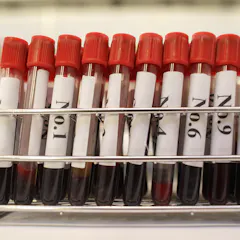
Despite the breakthroughs in HIV and AIDS research, without an effective vaccine, the world will not get to zero new infections and deaths.

Globally, the health community is moving to a point where there could be zero new HIV infections or deaths. But it has been a long road.
Top contributors
-

Professor of medicine and deputy director of the Desmond Tutu HIV Centre at the Institute of Infectious Disease and Molecular Medicine, University of Cape Town
-
Associate Professor and Director: Research at the Wits Reproductive Health and HIV Institute I, University of the Witwatersrand
-
Professor of Global Health and Director, O'Neill Institute, Georgetown University
-
Director of Implementation Science, Wits Reproductive Health & HIV Institute, University of the Witwatersrand
-
Senior Scientist at CAPRISA, University of KwaZulu-Natal
-
Assistant Professor of Social, Behavioral and Population Sciences, Tulane University
-
Director of the Africa Centre for Population Health and Professor of Virology, University of KwaZulu-Natal
-
Researcher and Programme Manager: Clinical Research Consortium for Wits Reproductive Health and HIV Institute (RHI), University of the Witwatersrand
-
PhD candidate, Ghent University
-
Associate Professor of Health Law, Policy and Management, Boston University
-
Clinician-Scientist, St. Michael’s Hospital; Associate Professor, Faculty of Medicine, University of Toronto
-
Research Director at The Health Economics and HIV and AIDS Research Division (HEARD), University of KwaZulu-Natal
-
Post-doctoral research fellow, University of KwaZulu-Natal
-
Physician-scientist, Harvard University
-
Doctoral Researcher, School of Public Health and Public Health Technical Advisor, Anova Health Institute, University of the Witwatersrand