
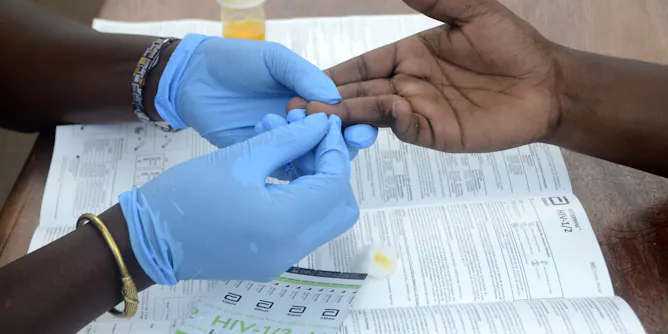
Adolescent girls and young women are at the heart of the HIV epidemic in sub-Saharan Africa. They need to know their HIV status.
Articles on HIV testing
Displaying 1 - 20 of 22 articles
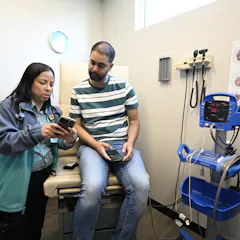
An increasing number of laws aim to roll back LGBTQ+ people’s ability to access health care, leading to cascading effects on their well-being.

What behavioural science tells us about the likely success, or not, of health-related publicity stunts.

Despite higher than average rates of HIV infection, Hispanic women have relatively low awareness of PrEP, an effective HIV-prevention medication.

Funding announced in this week’s federal budget moves Australia closer to eliminating HIV.

Cancer screening and other routine primary care can help address inequities if we choose to leave the unfair status quo behind.

Many people at heightened risk for HIV have never been tested. Those who have self-tested for HIV often don’t go on to receive care or change their sexual behavior.

Adolescents and young people should get involved early in the design, planning and scale up of interventions.

Current HIV criminal laws increase HIV stigma and discrimination against marginalized people – and negatively affect public health.
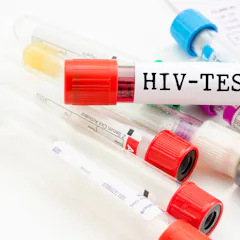
Local and national governments in west and central African countries must prioritise investment in providing access to HIV testing for all pregnant women.
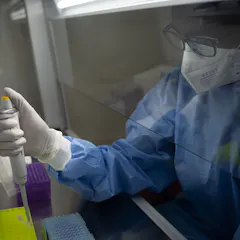
Pooled testing, or group testing, has been used to diagnose relatively rare conditions, such as infection in blood donors. It could be used for universal early infant diagnosis and viral load testing.

June 27 is National HIV Testing Day, and an expert suggests it’s a good time to think about testing, especially for youth. And, a recent study suggested that nurses have a role in reaching youth.
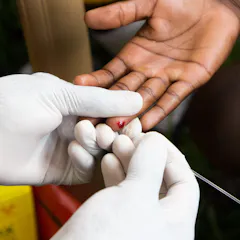
Knowing your HIV status is key to accessing life-saving treatment or evaluating the best prevention options.

Access to HIV testing is an important factor in reaching UN goals that 90% of people with HIV must know their status by 2020.

The increased demand for home-based diagnostic tests calls for stricter regulation.
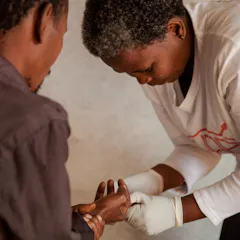
Women and children remain the focus of HIV while men are disadvantaged in accessing testing and treatment in Africa.
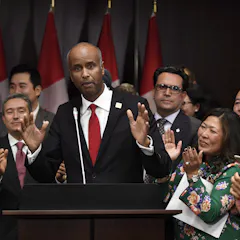
Immigration Minister Hussen has said Canada’s immigration policies are antiquated. There are more directives governing HIV infection than any other health condition in the immigration system.
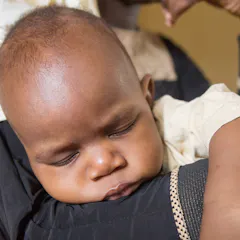
Diagnosing babies with HIV as early as possible is critical to ensuring that they get onto treatment.
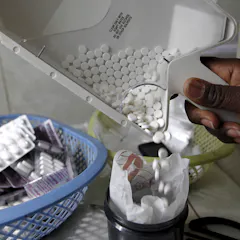
HIV self-testing is a potential strategy to overcome access to testing. However, there are emerging concerns on the lack of counselling, possible user error and accuracy of the kits.
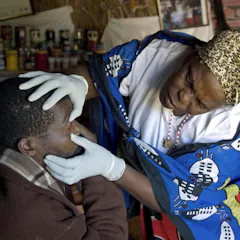
In rural areas where there are often fewer healthcare professionals available, traditional healers can have a role to play in promoting HIV treatment.
Top contributors
-

Associate Professor (Reader), Wits School of Public Health, University of the Witwatersrand
-
Assistant Professor of Operations Management at the MIT Sloan School of Management, MIT Sloan School of Management
-
PhD (Public Policy) candidate, University of Ibadan
-
Professor of medicine and deputy director of the Desmond Tutu HIV Centre at the Institute of Infectious Disease and Molecular Medicine, University of Cape Town
-
Research Scientist, African Population and Health Research Center
-
Associate professor, University of Toronto
-
Epidemiologist and Public Health Specialist, National Institute for Communicable Diseases
-
Associate Professor, Cape Peninsula University of Technology
-
PhD (Public Health) student at the school of Public Health, Faculty of Health, University of Technology Sydney
-
Research Associate/Post Doctoral Researcher and Deputy Laboratory Director at the Botswana Harvard AIDS Institute, Harvard University
-
Assistant Professor in the Department of Health Policy at the Vanderbilt Institute for Global Health , Vanderbilt University
-
Senior Researcher, University of Cape Town
-
Reader (Associate Professor), University of the Witwatersrand
-
Lecturer, James Cook University
-
PhD candidate, Ghent University