

Asthma affects around 339 million people worldwide. A new drug promises to lower risks of asthma attack and may eventually allow patients to reduce their dependence on steroids.
Articles on Precision medicine
Displaying 21 - 40 of 49 articles
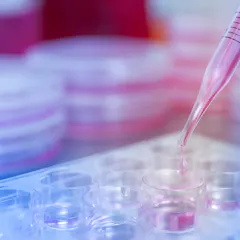
“Precision medicine” is allowing us to analyse a person’s genetic makeup and target treatments based on their specific needs.

It’s exciting to think we’re on the brink of a genomic revolution in health care. But just because new technology becomes available, it doesn’t mean it should automatically be publicly funded.
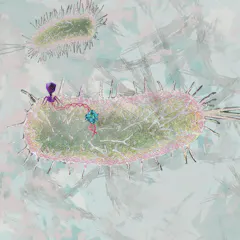
CRISPR harnesses the natural defence mechanisms of some bacteria to cut human DNA strands. Then the DNA strand either heals itself or we inject new DNA to mend the gap. This is gene editing.

In 2030, there is a boom in precision medicine, where diseases – from cancer to dementia – are defined and targeted more specifically with a focus on their molecular makeup.

Precisely calibrated timekeepers are found in organisms from all domains of life. Biologists are studying how they influence plant/pathogen interactions – what they learn could lead to human medicines.
If you could take a test that would reveal the diseases you and your family might be more likely to get, would you want to do it?
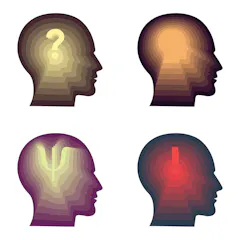
People with the same condition can respond differently to the same treatment. This is why personalised treatment is so important in all fields of medicine, including psychology.

A test of all your genes for disease risk is not yet the precision diagnostic and treatment tool we hope it will one day be.

Cancer researchers dream of offering personalized treatments to patients. Can they get there using the same math that drives Netflix recommendations?
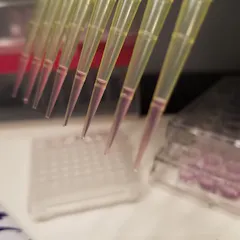
A field called epigenomics looks at chemical modifications that do not change our DNA sequence but can affect gene activity. What are the limitations, and can biomedicine use this to our advantage?

Diabetes, which afflicts 29 million people in the U.S., remains a difficult disease to treat. Read how an algorithm devised by MIT researchers could help.

Although genomics research has the potential to revolutionize medicine, it has limitations. It may not do much to prevent many of the leading causes of death.
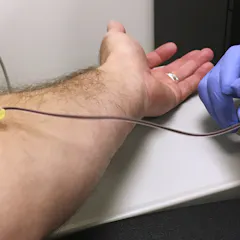
New regulations for research with human blood and tissue try to balance scientific progress with patient privacy.

Lowering the threshold for FDA approval and feeding the agency less rigorous information will increase the likelihood of approvals of unsafe or ineffective drugs and devices.

The outgoing president leaves behind some solid accomplishments in the world of science, tech and medicine. But the biggest departure from his predecessors might have been in his approach.

In developed countries, the main causes of preterm deaths are well known and studied.But in low resource countries, the causes are much less understood.
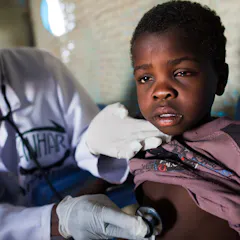
Precision public health has the potential to transform the global health sphere by ensuring that the right interventions are brought to the right people in the right places.

We should heed concerns about how private genetic data banks are used and accessed before we enable a system where the future of public genetic research lies in private hands.

How much privacy are we willing to give up in the name of cutting-edge science? And do we care about the kinds of research that will be done with our donations?
Top contributors
-

Professor and Regius Chair of Surgery, Director of Translational Research Centre, University of Glasgow
-
Wantz Professor of Bioethics, University of Michigan
-
Professor of Medicine, University of Oxford
-
Professor of Biological Sciences, University of Maryland, Baltimore County
-
Assistant Professor of Law, Georgia State University
-
Professor of Applied Mathematics, MIT Sloan School of Management
-
Lorenzo and Pamela Galli Chair in Developmental Medicine, Murdoch Children's Research Institute
-
Physician, teacher, researcher in preventive medicine and healthy aging, Emory University
-
Chair Professor, Michigan State University
-
Associate Professor of Public Policy and Women's Studies, University of Michigan
-
Associate Professor, School of Biomedical Sciences, Queensland University of Technology
-
Professor of Law and Director, Center for Law Health and Society, College of Law, Georgia State University
-
Professor of Breast Cancer Research, Institute of Health and Biomedical Innovation and School of Biomedical Sciences,, Queensland University of Technology
-
Professor Emeritus, Center for Bioethics and Social Sciences in Medicine, University of Michigan
-
Chief Specialist Scientist in Alcohol, Tobacco and Other Drug Research Unit, South African Medical Research Council