
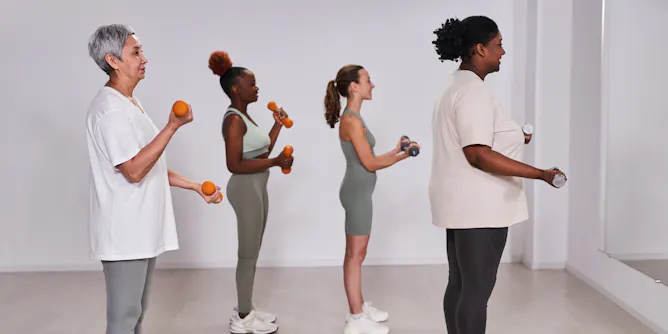
Strength training can help women feel capable and stay healthy throughout their lives.
Articles on Postpartum
Displaying 1 - 20 of 23 articles
When parents stop a medication they need or interrupt breastfeeding earlier than intended, the impact affects both mother and child. We need better evidence and decision support.
The psychedelic treatment is moving through the FDA clinical trial process in Colorado and elsewhere.
The late postpartum period has the highest risk for maternal deaths, yet the standard of postpartum care in the US ends at approximately six weeks after birth.

Early identification of abnormal heart rate and blood pressure is crucial to prevent maternal deaths from postpartum haemorrhage and maternal sepsis.

Preterm births are associated with enduring trauma for mothers.
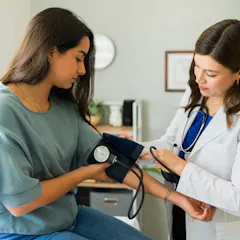
Even after giving birth, the body goes through many widespread changes.
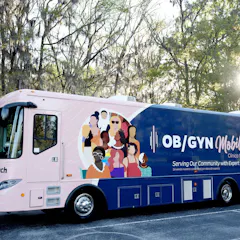
Mobile health clinics are a practical but underused solution to the growing number of maternity care deserts in the US.

Research reveals the hidden psychological and social challenges triathlete mothers face when returning to sport after childbirth.
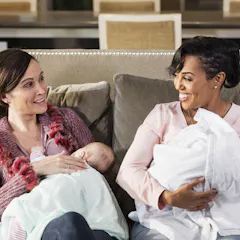
Peer support is one way to help new mothers access the care they need.

The time before conception is often overlooked by prospective parents, but is crucial as it sets the foundation for healthy pregnancies and, ultimately, thriving children.
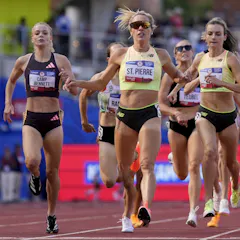
We can appreciate the exceptional performance of mothers in the Olympics, while also recognizing the challenges faced by mothers and the need for realistic role models of postpartum physical activity.

While there has been large advances and successes for athlete-mothers and progress since the 2020 Tokyo Olympics, there is still work to be done to improve postpartum care and support.
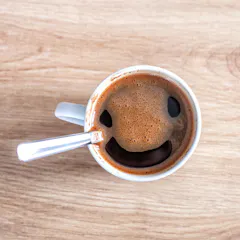
It’s pretty common to see face-like patterns in objects – but this quirk can give us insights into human psychology and evolution.

Sexual challenges during pregnancy and postpartum are common, but couples often don’t know what to expect when it comes to their sex lives during this time. The good news is that information helps.

Being pregnant and giving birth during the pandemic meant disruptions in pregnancy care and birth experiences, as well as detrimental effects on mental health and birth outcomes.
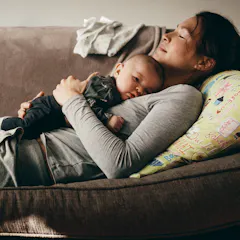
Physical activity and new motherhood can be hard to navigate, but physiological feedback and self-compassion can help inform decisions about when and how to exercise.
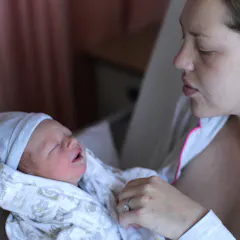
Many of the preventable pregnancy-related deaths documented by the CDC are directly attributable to failures and barriers in the maternal care system.
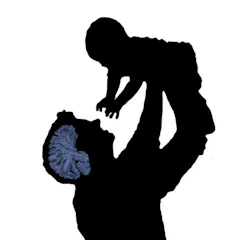
Neuroscientists know that pregnant mothers’ brains change in ways that appear to help with caring for a baby. Now researchers have identified changes in new fathers’ brains, too.
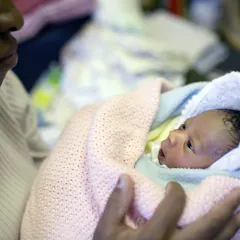
Maternal mental health conditions are a reflection of harmful social and economic factors that plague women in general.
Top contributors
-

Assistant Professor in Kinesiology, University of The Fraser Valley
-
Assistant Professor of Recreation & Leisure Studies, Brock University
-
Assistant Professor, Kinesiology, University of The Fraser Valley
-
Assistant Professor, Tier II Canada Research Chair in Interdisciplinary Neuroscience, Mount Saint Vincent University
-
Doctoral Candidate, Faculty of Applied Health Sciences, Department of Sport Management, Brock University
-
Clinician Scientist, Canada Research Chair in Injury Prevention and Physical Activity for Health, Sport Medicine Physician, Schulich School of Medicine & Dentistry, Western University
-
Assistant Professor, Clinical Psychology, University of British Columbia
-
Lecturer in Sport Psychology, Bangor University
-
Professor, Political Science, Concordia University
-
Doctoral Student of Neuroimaging, Instituto de Investigación Sanitaria Gregorio Marañón IiSGM
-
Manager, Developmental Psychobiology Research Centre, Mount Saint Vincent University
-
Associate Professor of Applied Human Sciences, Concordia University
-
Maternal, newborn and child health consultant, JHPIEGO
-
Senior Lecturer in the School of Psychology, University of Lincoln
-
Professor of Psychology, USC Dornsife College of Letters, Arts and Sciences