
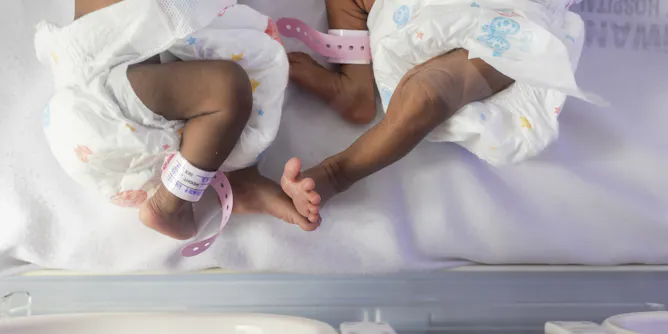
Preterm births are associated with enduring trauma for mothers.
Articles on Maternal mental health
Displaying all articles

Many people do not know about the serious harms that untreated pain in pregnancy can cause.

Decades of research show that SSRIs can be safely used during pregnancy. Meanwhile, untreated depression during pregnancy is associated with poor health outcomes like preterm birth and preeclampsia.
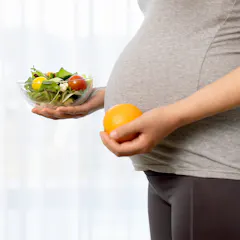
Adding vitamin and mineral supplements to the diet of pregnant women with antenatal depression not only reduced their symptoms and improved their functioning – it also benefitted their infants.
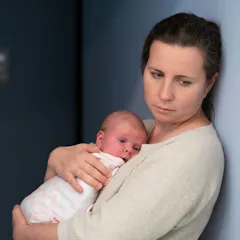
New mothers can experience anxiety and depression. But rushed appointments and impersonal checklists leave many fearful of being judged inadequate or unfit if they admit to struggling.

This link suggests that understanding and treating one condition could help with managing the other.

Raising children with behavioural, developmental or learning difficulties can also make parenting more challenging. So how can parent training help?

One in 25 women who give birth develop postnatal PTSD. I am one of them.

Breastfeeding isn’t always a peaceful, bonding experience between parent and child. As many as 1 in 5 women say that they felt an intense aversion to breastfeeding.

Research findings are mostly reassuring for parents — despite the disruptions to nearly every aspect of life during the COVID-19 pandemic, most children continue to show healthy development.

In addition to motherhood these girls experience social inequality, chronic stress, violence, and food insecurity. When teenagers become mothers, their adversities are compounded.

Extending visits from nurses who can listen without judgement and offer practical, evidence-informed advice helps new parents who are experiencing adversity.
Maternal mental health conditions are a reflection of harmful social and economic factors that plague women in general.

Mothers with young children are consistently identified as having lower levels of physical activity and leisure opportunities, which place their physical and mental health at risk.

Pregnant women and mothers of infants are at a higher risk of experiencing depression because of increased pressures they face economically, in their relationships, with their families, and socially.

Women who are physically active in the postnatal period report better mental well-being than those who are less active, but the pandemic has made exercise less accessible.

Mothers’ well-being is crucial for children to flourish, but maternal mental health has suffered during COVID-19. Successful pandemic recovery for mothers and families depends on four factors.

Postpartum psychosis affects one to two mothers in every 1,000 births but specialist help in the UK is seriously lacking.

Making mothers happy is important for the wellbeing of the babies. How can we do that?
Top contributors
-

Associate Professor in Public Health, Te Kunenga ki Pūrehuroa – Massey University
-
Associate Professor of Epidemiology, Karolinska Institutet
-
Assistant Professor in Psychology, Bond University
-
Postdoctoral fellow, Epidemiology, McGill University
-
Professor of Radiology, University of Calgary
-
Post Doctoral Research Fellow, Alan J. Flisher Centre for Public Mental Health, University of Cape Town
-
Director of the Perinatal Mental Health Project; Associate Professor, University of Cape Town
-
Doctoral Candidate, Faculty of Applied Health Sciences, Department of Sport Management, Brock University
-
Research Scientist, African Population and Health Research Center
-
Senior Lecturer in Public Health, Te Kunenga ki Pūrehuroa – Massey University
-
Professor, Political Science, Concordia University
-
The Erdi Foundation Child Health Equity (COVID-19) Scholar, Centre for Community Child Health | Honorary, Department of Paediatrics, University of Melbourne | Team Leader / Senior Research Officer, Murdoch Children's Research Institute
-
Associate Professor, Canada Research Chair in Mental Health and Intersectionality, University of British Columbia
-
Associate Professor of Mental Health & Wellbeing, Anglia Ruskin University
-
Professor, Canada Research Chair in Determinants of Child Development, Owerko Centre at the Alberta Children’s Hospital Research Institute, University of Calgary