

Around one in three women report their birth experience as traumatic. And it’s not always related to medical emergencies.
Articles on Postpartum depression
Displaying 1 - 20 of 27 articles

A study in mice reveals how pregnancy hormones influence the brain’s reward system, helping explain why newborns become a mother’s priority.

The psychedelic treatment is moving through the FDA clinical trial process in Colorado and elsewhere.
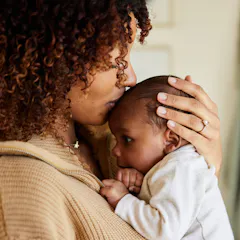
The late postpartum period has the highest risk for maternal deaths, yet the standard of postpartum care in the US ends at approximately six weeks after birth.

Preterm births are associated with enduring trauma for mothers.
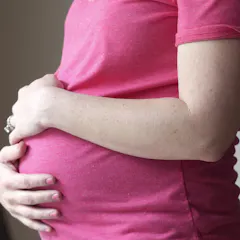
We must move away from the binary diagnosis of post-partum depression and think of difficulties during the transition to parenthood as relational experiences, not a disorder.

Perinatal depression currently affects around one in five mothers.

Peer support is one way to help new mothers access the care they need.
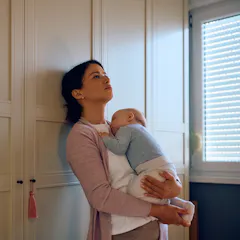
Half a million new mothers in the US suffer from postpartum depression every year, yet a lack of awareness and stigma toward the condition keep many from getting the help they need.

Amid the fanfare about a new medication for postpartum depression, it’s important to remember that PPD is underdiagnosed and undertreated, and that safe and effective treatments already exist.

The harsher verdicts imposed on two child mothers shows why the UK’s law of infanticide remains so important, more than a century after it was introduced

Postpartum depression can strike days, weeks or months after delivery, and the much rarer cases of psychosis can be difficult to detect.
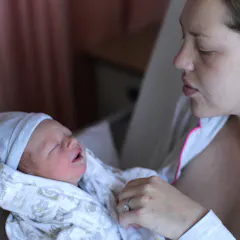
Many of the preventable pregnancy-related deaths documented by the CDC are directly attributable to failures and barriers in the maternal care system.

Escalating legal restrictions throughout the US might mean an increase in mental health disorders for those who are denied an abortion.
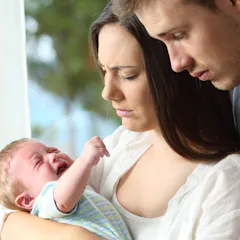
Our study is the first to show how common depression is in both parents during and after pregnancy.
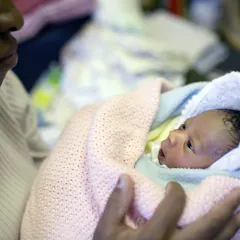
Maternal mental health conditions are a reflection of harmful social and economic factors that plague women in general.

Many fathers act as a central support for their partner and child – but some feel they lack support themselves.

Women who are physically active in the postnatal period report better mental well-being than those who are less active, but the pandemic has made exercise less accessible.
For new mothers with postpartum depression, social distancing limits some of the best ways to improve their mental health.

A doctor argues that breastfeeding should be encouraged, but not at the expense of a mother’s mental health.
Top contributors
-

Senior Principal Research Fellow, Murdoch Children's Research Institute
-
Canada Research Chair in Perinatal Mental Health, McMaster University
-
Affiliate Faculty, Supervisor
-
Professor of Reproductive Health Research, Bournemouth University
-
Lecturer in Adult Nursing, Bournemouth University
-
General Practitioner, Researcher, The University of Queensland
-
Professor of Medicine, University of Colorado Anschutz
-
PhD Researcher, Sexual and Reproductive Healthcare, UCL
-
Clinical Nurse Specialist and Visiting Professor of Nursing, Purdue University
-
Professor of Psychology, USC Dornsife College of Letters, Arts and Sciences
-
Director of the Perinatal Mental Health Project; Associate Professor, University of Cape Town
-
Professor of Health Sciences, Simon Fraser University
-
Clinical Assistant Professor of Psychiatry, Cornell University
-
Postdoctoral Research Fellow in the School of Nursing and Midwifery, Queen's University Belfast
-
Lecturer in Reproductive and Developmental Biology, Deakin University