
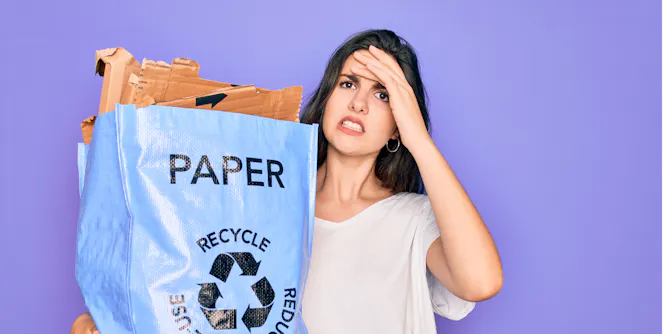
Confusion about what should and shouldn’t be recycled? You’re not alone – and it’s causing some people to ignore recycling altogether.
Articles on Plastic recycling
Displaying 21 - 40 of 60 articles
As a sustainability researcher, I know how quickly we could make big changes to reduce plastic pollution. Here’s what we – both individually and globally – should be doing more of, and what to avoid.
Promoting small actions, such as reducing plastic use, can be a useful entry point for other actions around climate change. It’s an example of ‘positive spillover behaviour’.
Researchers have developed a method for producing strong plastic materials by tweaking the chemical structure of superglue.
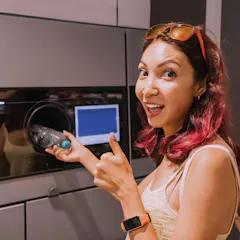
Evidence suggests that Scotland’s bottle deposit scheme would prevent huge amounts of litter from entering the environment.

The recovery rate from construction and demolition waste has been rising steadily in Australia. However, the use of recycled materials is still not the norm across the construction industry.
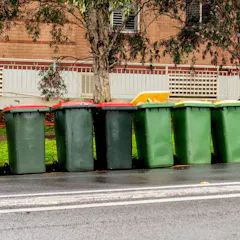
Apartments have lower waste recycling rates than houses, which means the growing numbers of apartment dwellers could add to Australia’s waste management crisis. But there are solutions to the problem.
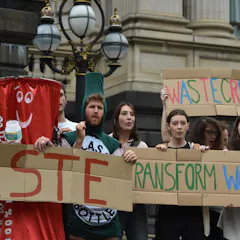
Experimenting with low-waste living shows it’s not easy being green. But householders can help policymakers design better waste management systems.
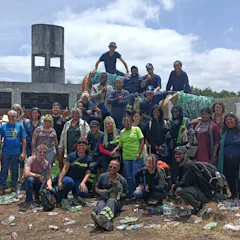
Waste pickers want a say in how policies are designed and implemented.

Increasing recycled-fibre clothing offerings should not absolve the fashion industry from the urgent need to reduce production overall.
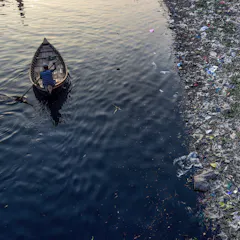
Representatives of 175 countries voted to start developing a global treaty to reduce plastic waste. Treaties addressing mercury, long-range air pollution and ozone depletion offer some lessons.
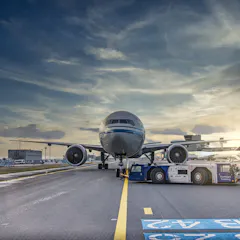
Using recycled plastic to wire planes could reduce their emissions while cutting down on waste from the 3-D printing industry.
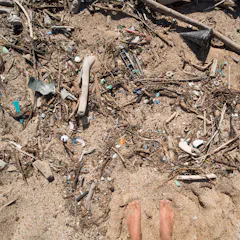
An estimated 8 million metric tons of plastic waste enters the ocean each year – equivalent to dumping in a garbage truckload of it every minute. A new report calls on the US to help stem the deluge.
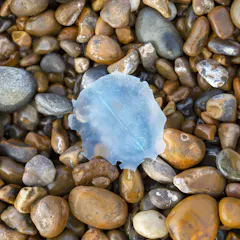
After soil, water and food, microplastics have now entered the atmosphere, where they influence the climate system and may even change atmospheric chemistry.
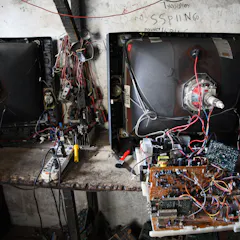
There is an urgent need for legislation dealing specifically with electronic waste in Nigeria.
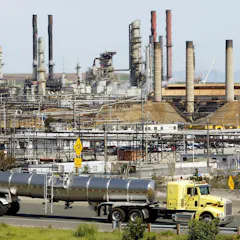
As global oil consumption drops, oil companies are pivoting to petrochemicals, and could crowd out bio-based alternatives.
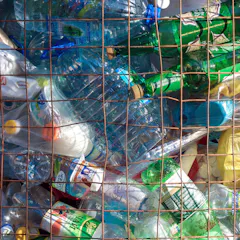
From larger-than-life Lego blocks to bird-nest inspired structures, researchers are finding innovative ways to reuse and recycle the plastic we throw away.
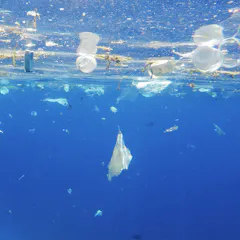
Some plastic sent overseas for recycling ends up as pollution, or goes up in toxic smoke. But there are steps we can take to ensure our waste is processed as intended.
Life-cycle assessments of food packaging often omit the impact and possible toxicity of plastics leaking into the environment. Excluding these factors gives plastics an unjustified advantage.

Plastic waste is a global problem. Now a chemist has developed a new strategy for breaking down the most common plastic so it can be not just recycled, but upcycled into desirable goods.
Top contributors
-

Associate professor, Swansea University
-
Research Principal, Institute for Sustainable Futures, University of Technology Sydney
-
Research Director, Institute for Sustainable Futures, University of Technology Sydney
-
ARC DECRA Senior Research Fellow in Environmental Sociology, RMIT University
-
Associate Deputy Vice Chancellor in Research & Innovation, RMIT University
-
Associate Professor, Te Kunenga ki Pūrehuroa – Massey University
-
Research Chair, Indigenous Approaches to Environmental Management, Keele University
-
Assistant Professor of Marketing, State University of New York at New Paltz
-
Dean of Graduate Studies & Professor, College for Creative Studies
-
Senior Lecturer, Auckland University of Technology
-
Associate Professor, Business & Society, Audencia
-
Distinguished Professor of Chemistry, University of California, Santa Barbara
-
Ending Plastic Waste Mission Director, CSIRO
-
Research Director, Institute for Sustainable Futures, University of Technology Sydney
-
Postdoctoral Research Fellow, Ecology and evolutionary biology, University of Toronto