
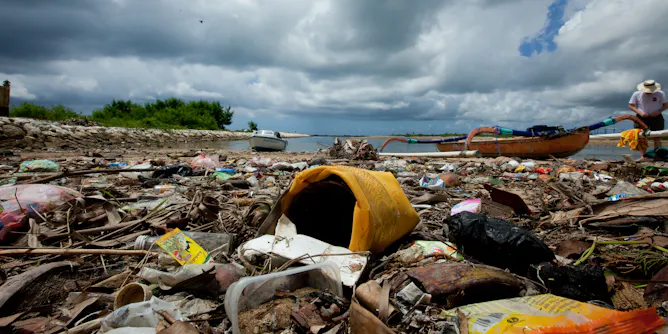
As much as 53 million tonnes of plastic waste could spill into the world’s rivers, lakes and oceans by 2030 — even if countries meet their commitments.
Articles on Plastic recycling
Displaying 41 - 60 of 60 articles
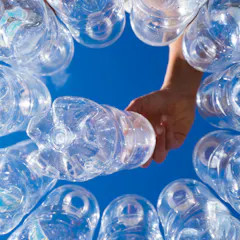
New Zealand’s potential to expand its domestic recycling sector is enormous. It could create jobs and divert millions of tonnes of waste from landfills, as long as there are clear, measurable targets.
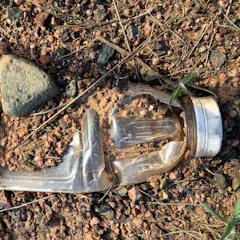
A media study of public criticism of plastic reveals that stigmatisation may result in limited bans, it leaves the vast majority of plastic production and pollution unexplored.
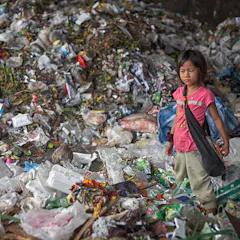
Even recycled plastics still end up in landfill with our current system.
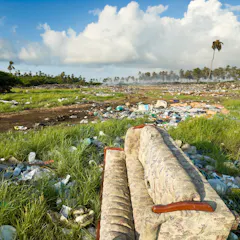
To manage plastic wastes, nations first need to know what they have and where it’s coming from. A case study from Trinidad and Tobago shows how this approach can help identify solutions.
2019 was a big year for dire warnings about the state of the planet, but crises can spur solutions.
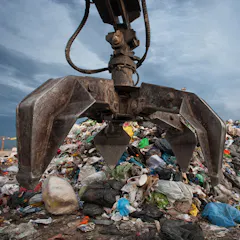
Waste-to-energy incineration has been raised as a solution to the global plastic waste problem, but the technology adds pollution and greenhouse gas emissions and encourages more waste production.
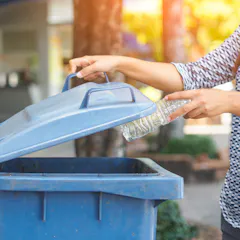
Consumers are much more likely to recycle their waste after viewing messages showing the products it might turn into.
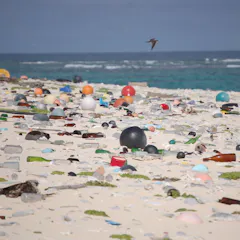
Plastic washed ashore from the ocean is hard to recycle. What else can we do with it?
A nanotube innovation using waste plastic could help solve one of the world’s energy problems.
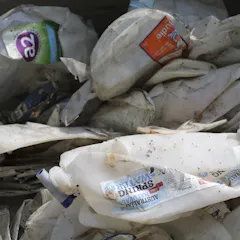
A year after China stopped accepting most scrap material exports, other Asian countries are following Beijing’s lead, forcing wealthy nations to find domestic solutions for managing their wastes.
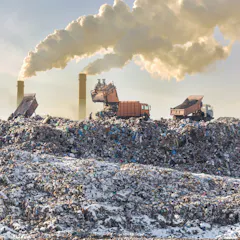
As well as polluting our seas, plastics are warming the planet too. Urgent changes are needed to eliminate plastic’s contribution to climate breakdown.

Biodegradable bags still strong enough to carry shopping after three years in the ground show that ‘biodegradability’ isn’t all it’s cracked up to be.
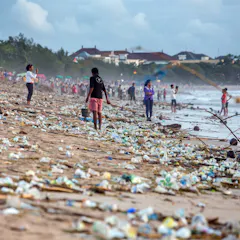
Asian countries have become a dumping ground for the plastic waste from wealthy countries.
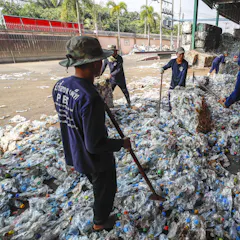
Since China stopped accepting Australia’s recyclable plastic, the majority of exported plastic waste is now going to developing nations in South East Asia.
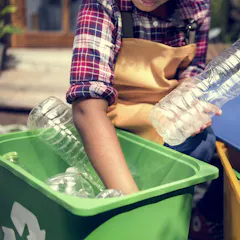
There are lots of issues with recycling – but it’s still an important part of society’s efforts to live more sustainably.
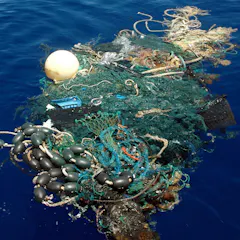
Cleaning up plastic pollution in the ocean is good – and long overdue. But where will the waste go? Recycling isn’t always an option. Bacteria and enzymes could process it, raising new questions.

Truly green plastic requires more than sustainable raw materials.

Magnets, air blowers, centrifuges, crushers: your recyclables go through a lot before they get turned into something else.
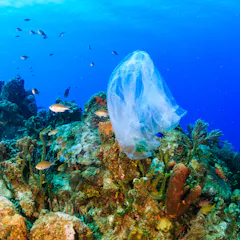
Tonnes of plastic end up in the ocean each year, but a switch away from petroleum-based products to bio-derived and degradable composites could lessen marine pollution.
Top contributors
-

Associate professor, Swansea University
-
Research Principal, Institute for Sustainable Futures, University of Technology Sydney
-
Research Director, Institute for Sustainable Futures, University of Technology Sydney
-
ARC DECRA Senior Research Fellow in Environmental Sociology, RMIT University
-
Associate Deputy Vice Chancellor in Research & Innovation, RMIT University
-
Associate Professor, Te Kunenga ki Pūrehuroa – Massey University
-
Research Chair, Indigenous Approaches to Environmental Management, Keele University
-
Assistant Professor of Marketing, State University of New York at New Paltz
-
Dean of Graduate Studies & Professor, College for Creative Studies
-
Senior Lecturer, Auckland University of Technology
-
Associate Professor, Business & Society, Audencia
-
Distinguished Professor of Chemistry, University of California, Santa Barbara
-
Ending Plastic Waste Mission Director, CSIRO
-
Research Director, Institute for Sustainable Futures, University of Technology Sydney
-
Postdoctoral Research Fellow, Ecology and evolutionary biology, University of Toronto