
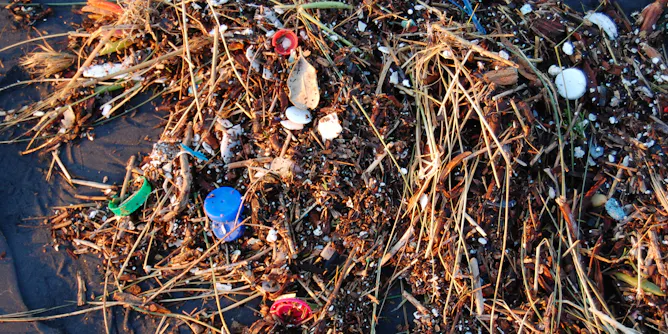
A new study shows that anchovies – key food for larger fish – are attracted to plastic trash because it smells like food. This suggests that toxic substances in plastic could move up through food chains.
Articles on Plastic
Displaying 321 - 340 of 399 articles
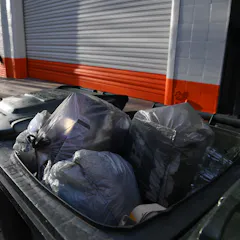
Banning single-use plastic bags makes sense, as long as it doesn’t usher in behaviours that are just as bad, or worse – like over-using heavier bags made of even more plastic.
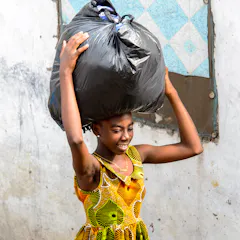
High costs, poor performance, a lack of manufacturing capabilities and local perceptions prevent biodegradable bags from taking root in Kenya.
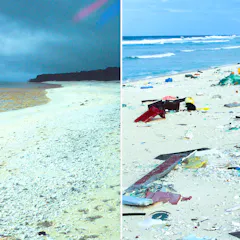
After making worldwide headlines with the story of the Pacific “garbage island”, researchers were sent a photo of the same beach, white sand free of litter, as recently as 1992.
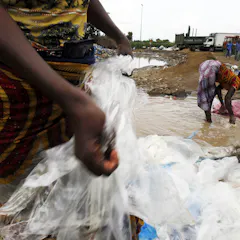
The plastic bag ban doesn’t consider the impact it will have on Kenya’s economy or consider other environmental alternatives.
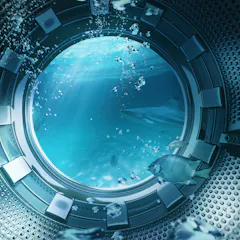
Tiny fibres from washing machines are being eaten by a multitude of marine species.
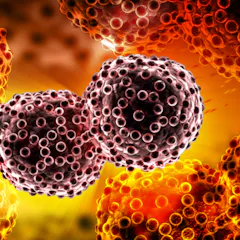
What causes cancer? A scary truth might be that we have created an environment for it. An anthropologist’s search for answers to her own diagnosis raises questions for all of us.
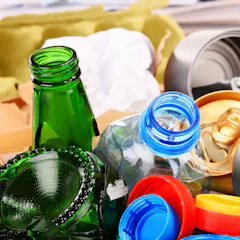
Many people are confused about what they can and can’t recycle, and whether they need to clean everything before it goes in the bin. The best plan is to check the details with your local council.
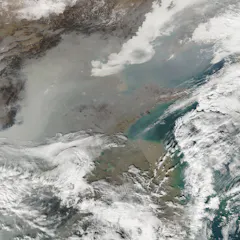
New research shows that importing goods from low-wage countries has helped US manufacturers shift production to less-polluting industries, produce less waste and spend less on pollution control.
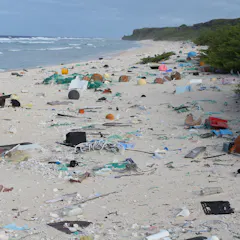
Plastics pose a major threat to seabirds and other animals, and most don’t ever break down - they just break up. Every piece of petrochemical-derived plastic ever made still exists on the planet.
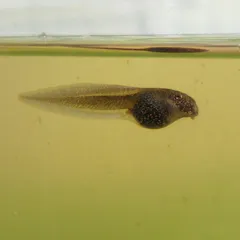
Research shows thyroid hormone, which is required for brain development in all vertebrates, is severely affected by chemicals present in our everyday cleaning products, clothing and cookware.

Ingredients from shampoo, sunscreens and other personal care products are turning up in water supplies. Some are toxic or cause hormonal damage to aquatic life, and could threaten human health.
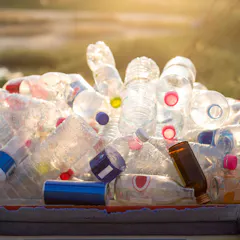
Would a chance to win a big cash prize make you more likely to recycle your old drinks bottles? Economic analysis suggests so.
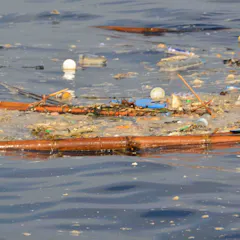
A new documentary highlights the plight of marine animals living among the estimated 5 trillion pieces of plastic rubbish generated by humans.
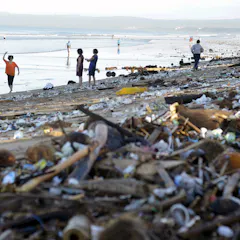
Marine plastic pollution is a global problem. Bali’s beaches present prime examples and an opportunity to study the socio-economic effects this has on coastal communities.
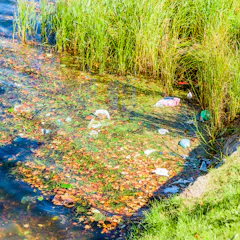
Microfibres and microplastics are a massive problem for marine life. Once ingested, they
severely affect marine animals ability to eat. There’s also concerns about their toxicity.

Each Mardi Gras, 25 million pounds of beads hit the streets of New Orleans. One researcher went to the Chinese factories that make them – and spoke to the workers who believe the beads will be given to royalty.
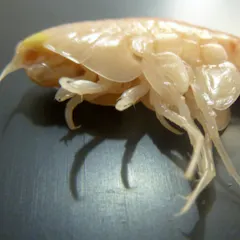
But should we care if the extreme marine frontier is not clean?
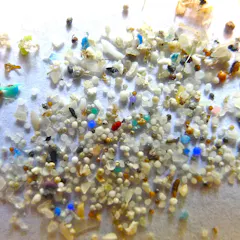
Up to 236,000 tonnes of microplastic enter our oceans each year.
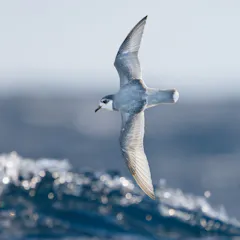
Thousands of seabirds die every year from consuming plastic trash in the oceans. But why do they eat plastic? New research shows that it produces odors that help some species find prey.
Top contributors
-

Senior Principal Research Scientist, Environment, CSIRO
-
Research Chair, Indigenous Approaches to Environmental Management, Keele University
-
Senior Principal Research Scientist, CSIRO
-
Lecturer, School of Life and Environmental Sciences, Deakin University
-
Professor of Sustainable Development, Keele University
-
Research Scientist, Stanford University
-
Lecturer in Ornithology, Charles Sturt University
-
Assistant Professor of Ecology and Evolutionary Biology, University of Toronto
-
Professor, School for Resource and Environmental Studies, Dalhousie University
-
Professor of Ocean Policy and Economy, University of Portsmouth
-
Professor of Coastal Oceanography, The University of Western Australia
-
Associate professor, University of Portsmouth
-
Oceanographer, The University of Western Australia
-
Research associate, Loughborough University
-
Professor of Global Environmental Politics, University of California, Berkeley