
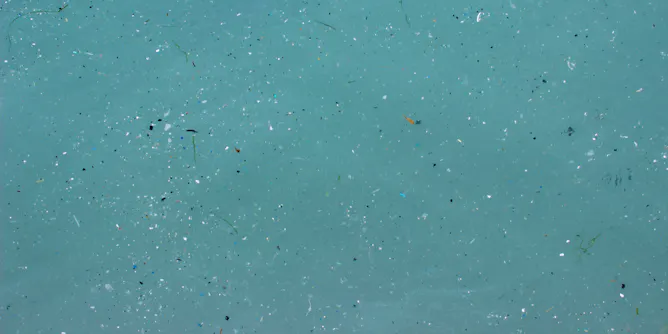
Microplastics are everywhere–our water, soil, and even the air we breathe. The consequences of this exposure on human health is unknown. But studies in animals give us reason to worry.
Articles on Plastic
Displaying 261 - 280 of 399 articles
The most common explanation for obesity is overeating calorie-rich foods and a sedentary lifestyle. But new studies suggest that chemicals in our environment might be another cause.
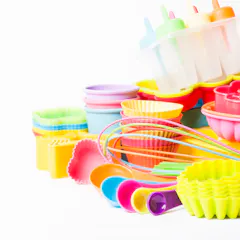
Kitchens are like mini laboratories, with foods and utensils exposed to extreme temperatures. So it’s no surprise that a material used for Mars missions has found its way into a range of cooking ware.
In 2015, over 320 million tons of polymers, excluding fibers, were manufactured across the globe.

Buying reusable bags every time you shop is worse than just using plastic.
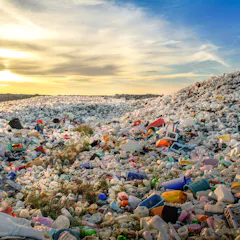
Every day we throw away plastic and every day we’re reminded of its environmental impact. Why can’t something be done about it?
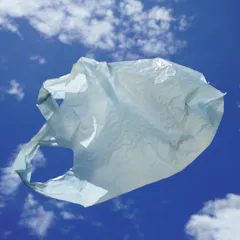
New types of biodegradable or compostable plastic products seem to offer an alternative to conventional plastics. But they may be no better for the environment.
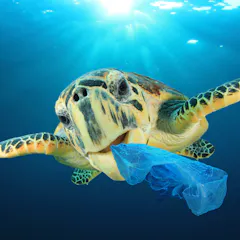
Plastic bags are commonly mistaken for food by sea animals. They require a lot of energy and resources to be made, and have caused floods in some countries.

Providing thicker plastic bags for free is worse than pointless. It encourages the same wasteful habits, but with more damaging material.
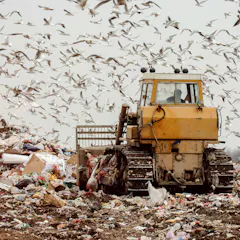
Seagulls have no qualms about sifting through dumps for scraps. But this buffet comes at a cost, filling their stomachs with plastic, glass, metal and even building materials.
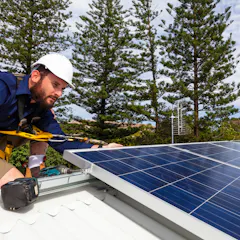
Silicon is cheap and a good semiconductor, but it’s bulky and rigid. Using organic polymers as semiconductors could yield solar panels with the physical characteristics of plastics.
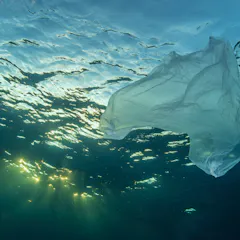
Tech fixes to environmental problems are guaranteed to grab attention, but real change for the planet requires community organising.
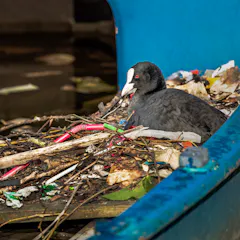
Fast-food restaurants and coffee shops are banishing the straw. While it may seem like a small measure, your pessimism isn’t justified.

New Zealand is home to more seabirds than any other country, and many species are already under pressure from climate change and over-fishing. Plastic pollution could push some closer to the brink.
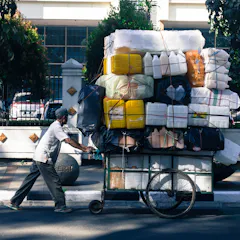
How do you help a country get over plastic? By creating awareness and minor inconveniences and by providing lots of reminders.
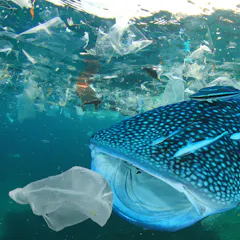
If we are truly invested in addressing the issue of marine plastic and offsetting the potential harms, we have to understand which fish eat plastic and which ones don’t.
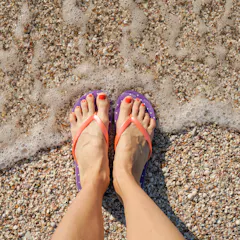
Connecting smugglers, disposable workers, garbage pickers and the poorest of consumers, the flip-flop trail is one of globalisation’s darker stories.
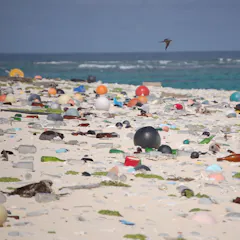
We’re drowning in plastics. With governments setting un-ambitious targets, corporations are now listening to consumers who are demanding less plastic packaging and food containers.
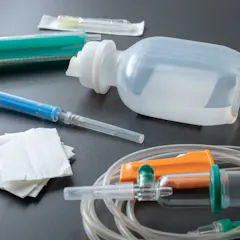
We can safely say goodbye to most single-use plastics. But they do have essential uses in some areas, such as for medical or scientific samples, or storing food for humanitarian aid.

Illegal dumping is costing governments millions – but satellite technology could help put a stop to it.
Top contributors
-

Senior Principal Research Scientist, Environment, CSIRO
-
Research Chair, Indigenous Approaches to Environmental Management, Keele University
-
Senior Principal Research Scientist, CSIRO
-
Lecturer, School of Life and Environmental Sciences, Deakin University
-
Professor of Sustainable Development, Keele University
-
Research Scientist, Stanford University
-
Lecturer in Ornithology, Charles Sturt University
-
Assistant Professor of Ecology and Evolutionary Biology, University of Toronto
-
Professor, School for Resource and Environmental Studies, Dalhousie University
-
Professor of Ocean Policy and Economy, University of Portsmouth
-
Professor of Coastal Oceanography, The University of Western Australia
-
Associate professor, University of Portsmouth
-
Oceanographer, The University of Western Australia
-
Research associate, Loughborough University
-
Professor of Global Environmental Politics, University of California, Berkeley