
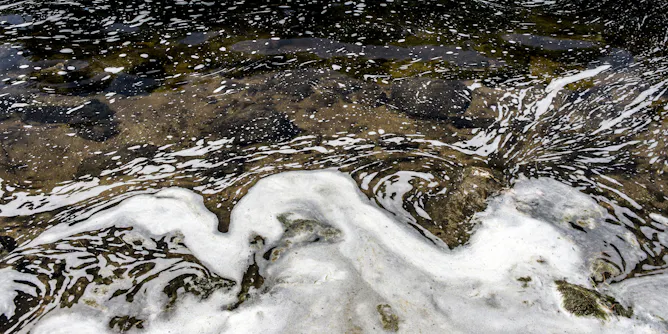
There are more so-called “forever chemicals” than you might know of. And although they may have already contaminated our environment, we don’t need to continue using them.
Articles on PFAS
Displaying 41 - 60 of 94 articles
If you’re worried about pollution in the air we breathe, water we drink and food we eat, take time out to explore the evidence of harm and digest some practical advice on how to reduce your exposure.
Artificial sweeteners aren’t metabolised by the human body, so they are excreted – and that’s where the environmental problems begin.

A new study sheds light on how important exposure to PFAS chemicals via the skin might be and indicates which chemical structures might be most easily absorbed.

A more precautionary approach is required for the regulation of PFAS chemicals, otherwise industries will continue polluting the environment without breaking any laws.

It is difficult and expensive to effectively remove ‘forever chemicals’ from your drinking water at home. And you also don’t want to get rid of the health-giving minerals water contains.

Tap water is just one of the ways people are exposed to PFAS.

Should Australian authorities follow the US lead and impose lower limits on ‘forever chemicals’ in our drinking water?
PFAS are commonly found in waterproof clothing, stain-resistant textiles, cosmetics and cookware. Here’s how to best minimise your exposure to these forever chemicals.

Corporations have an incentive to make profits – even if their products hurt or even kill people. Here’s how to stop history repeating.

Mountain tourism brings revenues to Nepal but leaves a mess behind. Local and international groups are offering new cleanup strategies.

I hate telling people I’m a chemist – but chemistry is the central science of the modern world.

In Australia, the taxpayer has footed the bill for the forever chemical clean-up so far. But this will have to change.

Filtering out PFAS is only the first step. These ‘forever chemicals’ still have to be destroyed, and there are many questions about how to do that safely.
These chemicals are now found on almost every part of the planet, including in the bodies of a large percentage of the American public. An environmental health scientist explains the risks.

Huge amounts of PFAS come from wastewater treatment plants, new study finds.

Synthetic chemicals found in ski wax have been found in the snow and soil on ski slopes and could pose a toxic threat to the environment.

They have properties that make them essential for many products.

Researchers are finding alarming concentrations of persistent pollutants such as PFAS in Australian dolphins. These record-breaking levels are cause for concern.

Scientists found PFAS hot spots in Miami’s Biscayne Bay where the chemicals are entering coastal waters and reaching the ocean. Water samples point to some specific sources.
Top contributors
-

Associate Professor in Environmental Science, Western Sydney University
-
Assistant Professor of Environmental Health, Middlebury College
-
Honorary Professor, School of Natural Sciences, Macquarie University
-
Professor of Water Science, Liverpool John Moores University
-
Associate Professor of Environmental Health, University of Birmingham
-
Professor of Biochemistry, Michigan State University
-
Professor of Environmental and Soil Chemistry, Michigan State University
-
Professor of Environmental Chemistry, University of Birmingham
-
Principal Health Risk Advisor – Chemicals, EPA Victoria, and PhD graduate, School of Pharmacy and Medical Sciences, Adelaide University
-
Professor of Chemistry, RMIT University
-
Senior Research Consultant, Institute for Sustainable Futures, University of Technology Sydney
-
PhD Candidate in Emerging Technologies Governance, Institue for Sustainable Futures, University of Technology Sydney
-
Adjunct Assistant Professor of Biological Sciences, North Carolina State University
-
Senior Lecturer in Chemical Engineering, University of Surrey
-
Postdoctoral Research Associate in Law and Justice, UNSW