
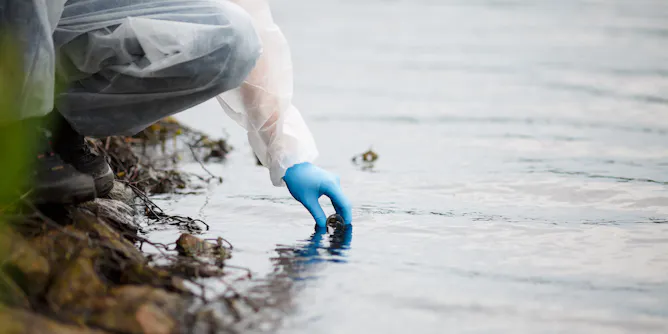
Recently published research is showing PFAS chemicals may be even more harmful than we thought.
Articles on PFAS
Displaying 61 - 80 of 94 articles
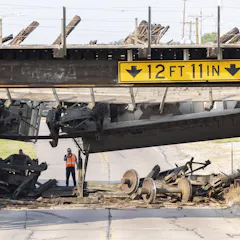
Focusing solely on humans at the expense of other life in the aftermath of train derailments limits the effectiveness of our disaster response management.

Paper and bamboo straws contain ‘forever chemicals’ – maybe threatening the health of people and wildlife.

New restrictions on PFAS and other potentially hazardous chemicals in Australia present an opportunity for industry to develop alternatives for new, safe and clean products.
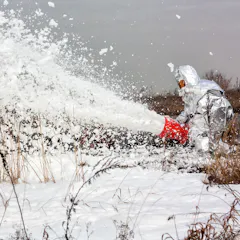
The Canadian government needs to regulate and, eventually, stop the continued release of toxic ‘forever chemicals’ into the environment and also prevent the creation of any toxic replacements.
PFAS can be filtered, but getting rid of the chemicals is a monumental challenge. A biochemist and soil scientist explain.

PFAS are chemicals used in cosmetics and personal care products that can persist in the environment for a very long time. New regulations seek to ban PFAS, but Canada needs to take further actions.
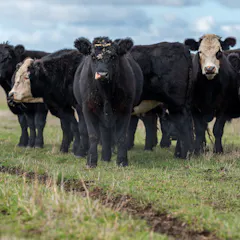
Most food in Australia remains free of PFAS, but a new study has found it can build up in cattle on PFAS-affected farms. But there are ways to manage the land and livestock to reduce the risks.
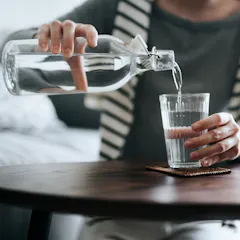
The drinking water systems serving over 70 million people may not meet newly proposed water quality standards. It could cost hundreds of billions of dollars to fix that.

Every household is more likely than not to have dusts containing PFAS chemicals at low concentrations. But how worried should we be about the risks to our personal health?

The Biden administration is finalizing the first federal limits on two compounds, PFOA and PFOS, in drinking water. These so-called ‘forever chemicals’ have been linked to numerous health effects.

An environmental health lawyer explains why some states have weaker rules than others, and how you can make your concerns heard.

The steady stream of stories in the media about unsafe cookware might make you wary. But your pots and pans are almost certainly safe.
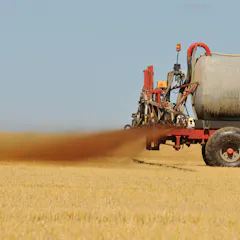
Yes, there are forever chemicals in biosolids we use on farms. Here’s why we don’t need to panic … yet
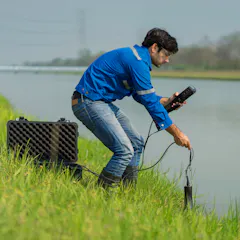
Toxic synthetic chemicals, called PFAS, are a serious threat to humans and wildlife – but many people are unaware of them.

So-called ‘forever chemicals’ are in many of the everyday products we use.

Rainwater may be contaminated with chemicals and scientists are still uncertain about their effects.
PFAS can be filtered, but getting rid of the chemicals is a monumental challenge. A new breakthrough offers some hope.
These chemicals are now present in water, soil and living organisms and can be found across almost every part of the planet – including 98% of the American public.

Tests found PFAS in school uniforms, pillows, upholstered furniture and several other items that are often next to children’s skin and near their noses and mouths.
Top contributors
-

Associate Professor in Environmental Science, Western Sydney University
-
Assistant Professor of Environmental Health, Middlebury College
-
Honorary Professor, School of Natural Sciences, Macquarie University
-
Professor of Water Science, Liverpool John Moores University
-
Associate Professor of Environmental Health, University of Birmingham
-
Professor of Biochemistry, Michigan State University
-
Professor of Environmental and Soil Chemistry, Michigan State University
-
Professor of Environmental Chemistry, University of Birmingham
-
Principal Health Risk Advisor – Chemicals, EPA Victoria, and PhD graduate, School of Pharmacy and Medical Sciences, Adelaide University
-
Professor of Chemistry, RMIT University
-
Senior Research Consultant, Institute for Sustainable Futures, University of Technology Sydney
-
PhD Candidate in Emerging Technologies Governance, Institue for Sustainable Futures, University of Technology Sydney
-
Adjunct Assistant Professor of Biological Sciences, North Carolina State University
-
Senior Lecturer in Chemical Engineering, University of Surrey
-
Postdoctoral Research Associate in Law and Justice, UNSW