

This study is one of the first to identify a link between Pfas exposure and asthma in childhood.
Articles on PFAS in drinking water
Displaying all articles
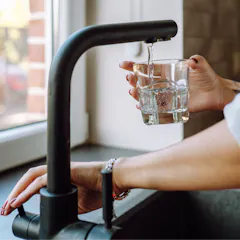
An innovative study mapped preterm births, low birth weights and infant mortality to municipal water wells downstream from PFAS-contaminated sites. The results show the high cost of PFAS harm.

The uncertainty and stigma of living with PFAS pollution can be stressful. Here’s the support communities need.
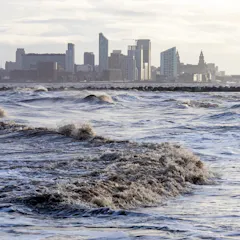
Water scientist Patrick Byrne tells The Conversation Weekly podcast what testing rivers can reveal about the biggest, often hidden, sources of PFAS pollution.
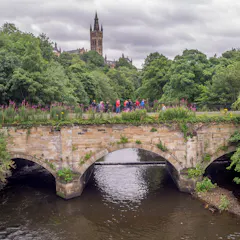
A forever chemical known as TFA is accumulating in our environment, contaminating our rivers, food and even our wine.

Once these chemicals are in an environment they almost never break down.
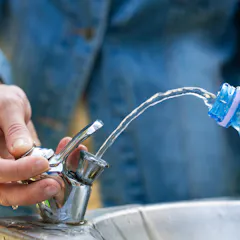
A review of Australia’s drinking water guidelines has recommended reducing the levels previously considered safe for four PFAS chemicals. But the impact on human health is likely to be minimal.

‘Forever chemicals’ can be detected almost anywhere using the right analytical equipment. This raises concerns about the health effects of current exposure levels.
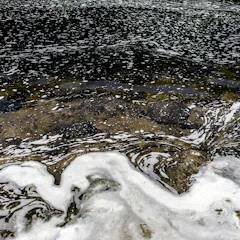
There are more so-called “forever chemicals” than you might know of. And although they may have already contaminated our environment, we don’t need to continue using them.
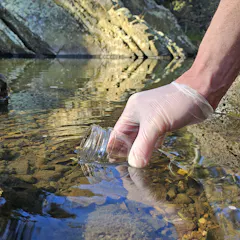
If you’re worried about pollution in the air we breathe, water we drink and food we eat, take time out to explore the evidence of harm and digest some practical advice on how to reduce your exposure.

It is difficult and expensive to effectively remove ‘forever chemicals’ from your drinking water at home. And you also don’t want to get rid of the health-giving minerals water contains.

Tap water is just one of the ways people are exposed to PFAS.
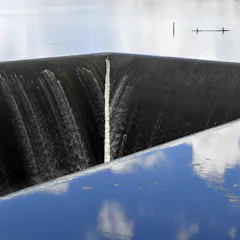
Should Australian authorities follow the US lead and impose lower limits on ‘forever chemicals’ in our drinking water?
Top contributors
-

Associate Professor in Environmental Science, Western Sydney University
-
Professor of Economics, University of Arizona
-
Professor of Economics, University of Arizona
-
Professor of Civil & Environmental Engineering, University of Washington
-
Professor of Chemistry, RMIT University
-
Senior Lecturer in Technology and Society, Responsible Innovation Lab, Australian National University
-
PhD candidate, Australian National University
-
PhD student in chemistry, Université de Montréal
-
Professor, Polytechnique Montréal
-
Professeur en chimie environnementale, Université de Montréal
-
Senior Lecturer in Pharmacology, Adelaide University
-
Senior lecturer, Department of Chemistry, Makerere University
-
PhD candidate, Rhodes University
-
Professor and Director of the Institute for Water Research, Rhodes University
-
Associate Professor of Environmental Health, University of Birmingham
