

An innovative study mapped preterm births, low birth weights and infant mortality to municipal water wells downstream from PFAS-contaminated sites. The results show the high cost of PFAS harm.
Articles on PFAS
Displaying 21 - 40 of 94 articles

The sex and age of an animal turn out to be stronger predictors than habitat for higher PFAS levels, suggesting they accumulate over a lifetime.
The uncertainty and stigma of living with PFAS pollution can be stressful. Here’s the support communities need.

One banned nail polish chemical shows why proving something is ‘safe enough’ is never simple.
Water scientist Patrick Byrne tells The Conversation Weekly podcast what testing rivers can reveal about the biggest, often hidden, sources of PFAS pollution.
New research shows that the biggest sources of forever chemicals are rooted in the past – old landfills, waste sites or historic industrial use.
PFAS exposure can vary significantly from one community to the next. A close-up view of three Great Lakes states offers some insights for everyone.

It’s taken years for Australia to ban three types of forever chemicals. But Europe plans to ban thousands of these chemicals to avoid future issues.

A forever chemical known as TFA is accumulating in our environment, contaminating our rivers, food and even our wine.

The Australian Bureau of Statistics looked at concentrations of 11 types of PFAS, or ‘forever chemicals’, in our blood. Here’s what the results show.
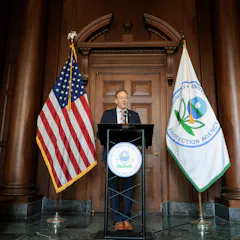
Some restrictions prevent loosening of existing environmental standards for clean air and water. Other rules can be changed – though only through a challenging and multistep democratic process.

A proposed Menstrual Health, Dignity and Sustainability Act could improve regulation of period products.

The PFAS in lithium-ion batteries is a major obstacle to recycling or disposing of these batteries safely. But we have a way to fix this problem.

There is renewed concern about PFAS or ‘forever’ chemicals in drinking water. Here’s how we keep track of more than 250 potential contaminants to ensure our water is safe to drink.
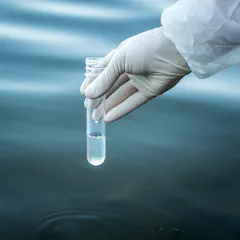
The scale of the chemical industry’s lobbying campaign and clean-up costs for PFAS have been revealed by a new collaboration of scientists and journalists.
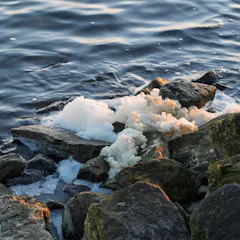
PFAS are made up of a chain of incredibly strong carbon-fluorine bonds, which make them difficult to break down.

Once these chemicals are in an environment they almost never break down.

PFAS ‘forever chemicals’ are in our drinking water, but there are things you can do to make it safer.
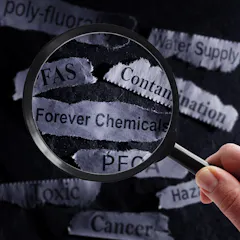
Scientists and engineers are developing new ways to destroy PFAS efficiently and sustainably.

‘Forever chemicals’ can be detected almost anywhere using the right analytical equipment. This raises concerns about the health effects of current exposure levels.
Top contributors
-

Associate Professor in Environmental Science, Western Sydney University
-
Assistant Professor of Environmental Health, Middlebury College
-
Honorary Professor, School of Natural Sciences, Macquarie University
-
Professor of Water Science, Liverpool John Moores University
-
Associate Professor of Environmental Health, University of Birmingham
-
Professor of Biochemistry, Michigan State University
-
Professor of Environmental and Soil Chemistry, Michigan State University
-
Professor of Environmental Chemistry, University of Birmingham
-
Principal Health Risk Advisor – Chemicals, EPA Victoria, and PhD graduate, School of Pharmacy and Medical Sciences, Adelaide University
-
Professor of Chemistry, RMIT University
-
Senior Research Consultant, Institute for Sustainable Futures, University of Technology Sydney
-
PhD Candidate in Emerging Technologies Governance, Institue for Sustainable Futures, University of Technology Sydney
-
Adjunct Assistant Professor of Biological Sciences, North Carolina State University
-
Senior Lecturer in Chemical Engineering, University of Surrey
-
Postdoctoral Research Associate in Law and Justice, UNSW