
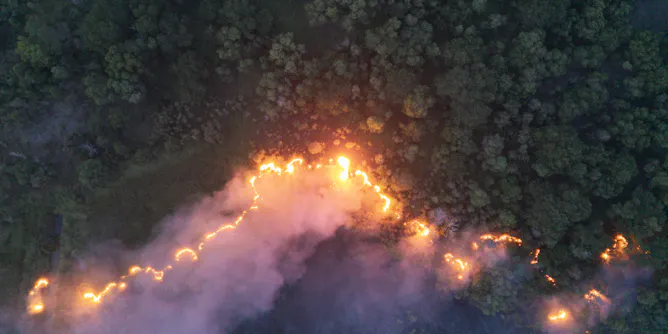
Kalimantan’s land fires aren’t just down to El Niño—they are caused by soil losing its ability to hold water. Prevention must start by restoring the soil’s natural balance.
Articles on Peat
Displaying 1 - 20 of 42 articles
These ancient wetlands are wildlife hotspots and crucial carbon stores.
A new project is transforming badly affected peatlands from dark moonscapes to vibrant green moss-scapes.
Peatlands are central to climate change, yet basic questions remain unanswered. A global research community has mapped out what we most urgently need to know.
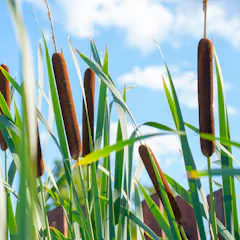
A researcher explains the benefits of a relatively new farming practice called paludiculture.
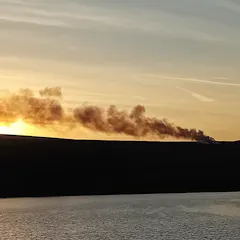
How a new monitoring system improves fire detections and captures the air pollution effects of planned peatland burns.
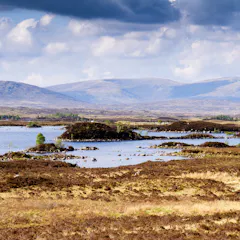
But bad news for peatlands could trigger the funding needed to preserve them.

Whisky production involves the burning of peat, but damaging peatlands releases stored carbon back into the atmosphere where it adds to climate problems.
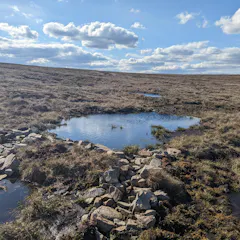
Peat restoration is an important nature-based solution that can mitigate climate change and will be an essential part of reaching the UK’s legally binding emissions targets.

Scientists with expertise in mud and peat were a key part of planning the Normandy landings in 1944.
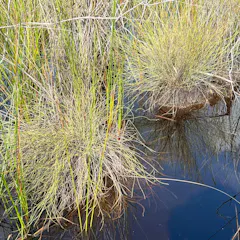
Uniquely, an Australian subtropical peatland ecosystem exists that is not only resilient to the frequent bushfires, but actually needs fire to survive.
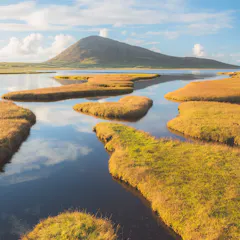
Climate policy has been based on a global average for salt marshes’ ability to capture carbon, but outside the tropics marshes accumulate less carbon.
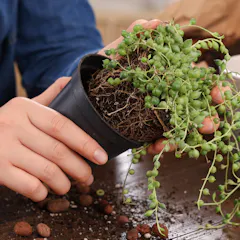
Hidden Peat, a new campaign from The Wildlife Trusts, encourages people to look out for peat-free alternatives and support their wider use.

Crofters who have managed the land for centuries are being offered dubious rewards to risk their rights.
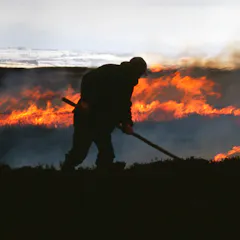
Nearly a third of all moorland burning in Scotland occurs on peat soil – a vital carbon sink.
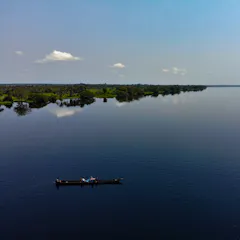
The Ruki River supplies dissolved carbon from forest vegetation and soils to the Congo River.
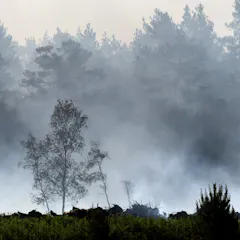
Large stretches of the Arctic are carbon-rich peat bogs. As the region warms and dries, lightning strikes can spark underground fires that can burn for years.
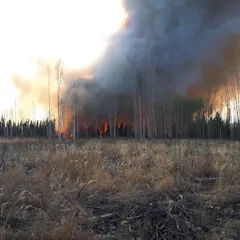
Peatlands safely store hundreds to thousands of years’ worth of humanity’s toxic legacy but climate change and physical disturbances are putting these pollution vaults, and us, at risk.

New research shows that northern peatlands may not help regulate our climate by the end of the century.
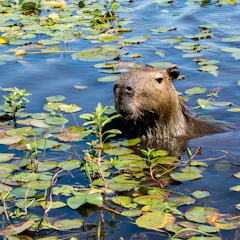
The swamp has not yet been drained everywhere.
Top contributors
-

Professor in Natural Sciences, Bangor University
-
Professor, School of Earth, Environment & Society, McMaster University
-
Senior Lecturer, School of Earth Sciences, University of Bristol
-
Lecturer, Geography and Sustainable Development, University of St Andrews
-
Soil Scientist, Australian Centre for International Agricultural Research
-
Research Fellow, Brunel University of London
-
Professor in Warnings and Science Communication, Director of the UCL Warning Research Centre, UCL
-
Lecturer in Physical Geography, University of St Andrews
-
Associate Professor (Reader) in Physical Geography, University of Plymouth
-
Lecturer in Environmental Archaeology, University College Cork
-
Post-doc fellow: Institute for modelling socio-environmental transitions, Bournemouth University
-
Emeritus Strategic Professor in Palaeontology, Flinders University
-
Research Technician, ETH Zurich
-
Professor of Sustainable Agrosystems, ETH Zurich
-
Head of English & Writing, Falmouth University