
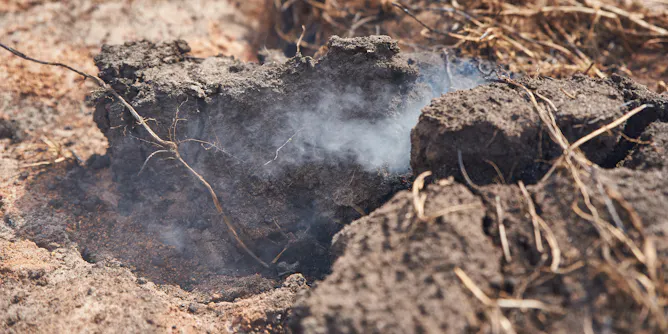
These ancient wetlands are wildlife hotspots and crucial carbon stores.
Articles on Peatlands
Displaying 1 - 20 of 48 articles
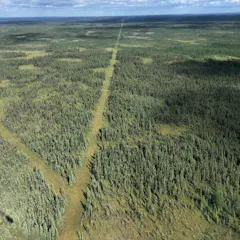
Seismic lines fragment forests and alter their ability to act as habitats and provide climate change mitigation benefits.
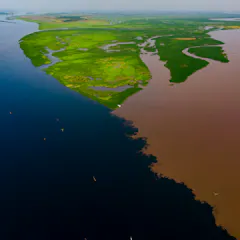
Ancient carbon is leaking from two lakes in the Congo Basin, revealing a previously unknown link between tropical peatlands and the atmosphere.

Scientists are working on some innovative projects to help tackle life in hot climates.
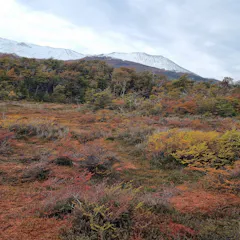
Peatlands are central to climate change, yet basic questions remain unanswered. A global research community has mapped out what we most urgently need to know.
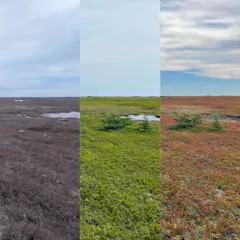
The PeatPic Project used over 3,700 smartphone photographs from 27 peatlands in 10 countries to gather data about how climate change is impacting them.
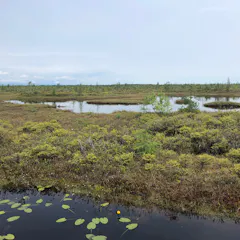
Canada is home to a quarter of the world’s remaining wetlands. Despite decades of efforts, wetlands continue to be under threat around the world.
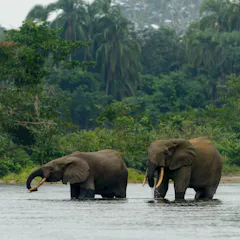
Setting up the world’s biggest giant tropical forest reserve in the Congo Basin is a step towards conserving the area and creating jobs for local communities.
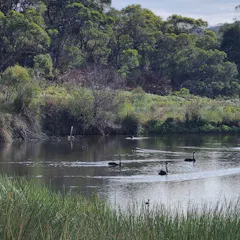
For decades, the Fleurieu Peninsula’s swamps were routinely drained. But as the region battles the driest conditions on record, the remaining swamps are a lifeline

Protecting and restoring mangroves and peatlands can reduce more than half of the carbon emissions from land use in Southeast Asia. But some challenges remain.
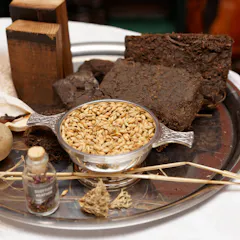
Whisky production involves the burning of peat, but damaging peatlands releases stored carbon back into the atmosphere where it adds to climate problems.
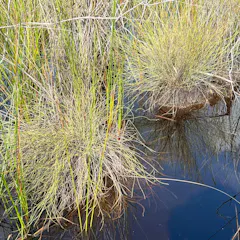
Uniquely, an Australian subtropical peatland ecosystem exists that is not only resilient to the frequent bushfires, but actually needs fire to survive.
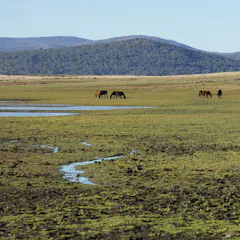
When it comes to storing carbon, alpine peatlands are powerhouses. But feral horse grazing and trampling tips the carbon balance in the other direction. We need to protect and restore our peatlands.
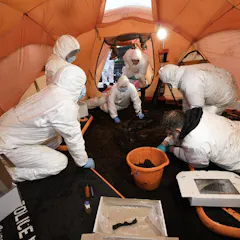
The bog does not neatly divide traces of the distant and recent past. Archaeology and forensic science still have much to learn from each other.

Crofters who have managed the land for centuries are being offered dubious rewards to risk their rights.
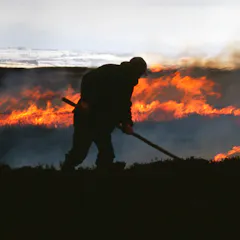
Nearly a third of all moorland burning in Scotland occurs on peat soil – a vital carbon sink.
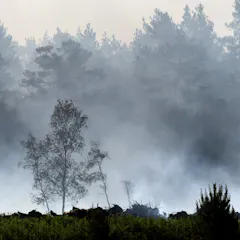
Large stretches of the Arctic are carbon-rich peat bogs. As the region warms and dries, lightning strikes can spark underground fires that can burn for years.
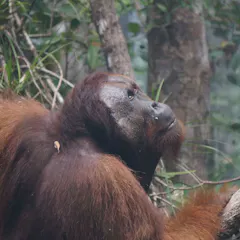
Orangutans are vocal animals, so analyzing their calls during events like wildfires can indicate how smoke is affecting their health.

New research shows that northern peatlands may not help regulate our climate by the end of the century.
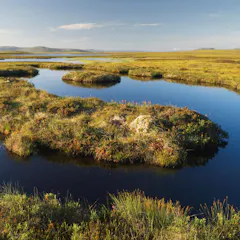
Peatlands have always had a place in art, writing and poetry. In times of global warming these cultural reflections can help open up debate about the biodiversity and climate crisis.
Top contributors
-

Lecturer in Environmental Archaeology, University College Cork
-
Professor of Global Change Science at University of Leeds, UCL
-
Visiting Research Fellow in Natural Resources Management, Adelaide University
-
Research Technician, ETH Zurich
-
Professor, Department of Geography and Environmental Management, University of Waterloo
-
Senior Lecturer, Environmental Soil Science, RMIT University
-
Lecturer, Geography and Sustainable Development, University of St Andrews
-
Professor in Soil-Landscape Modelling, University of Sydney
-
Professor of Sustainable Agrosystems, ETH Zurich
-
Postdoctoral Researcher, ETH Zurich
-
Lecturer, Environmental Science, University College Cork
-
Professor of Agricultural Technology, IPB University
-
Honorary Senior Knowledge Exchange Fellow, University of Manchester
-
Professor of Soil Science, Universitas Andalas
-
Professor of Environmental Science, Auckland University of Technology