
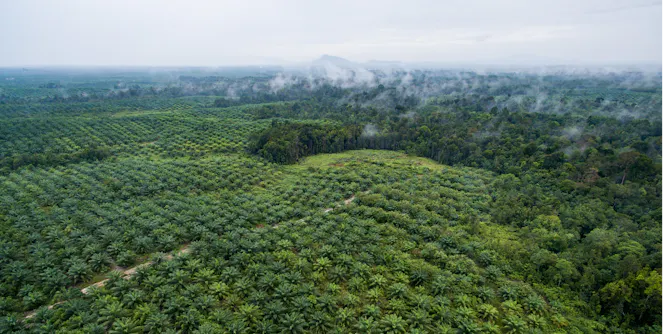
As a researcher of sustainability transition, I still believe we can create a more sustainable palm oil industry in Indonesia, where millions of small farmers rely on palm oil for their livelihood.
Articles on Peat
Displaying 21 - 40 of 42 articles
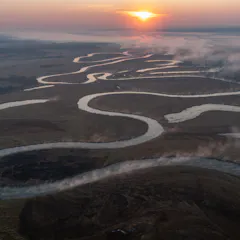
The Angolan Highlands are hydrologically and ecologically important - and the region’s newly mapped peatlands are valuable “carbon sinks”.

Peat is partially decomposed plant matter that has accumulated over thousands of years.
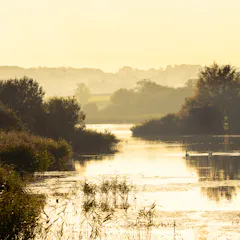
Somerset Wetlands national nature reserve merges and extends six existing protected sites.
Potting soils are helping plant seeds travel. Is it benign or harmful?

Increasing rainfall and degrading peatland are threatening archaeological artefacts buried in UK land.
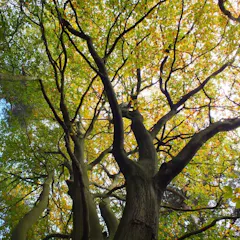
Nature-based solutions can help us sustainably tackle climate disasters - but to do that, they urgently need policy support.
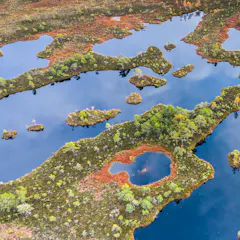
Peatlands worldwide are running short of water, and the amount of greenhouse gases this could set loose would be devastating for our efforts to curb climate change.
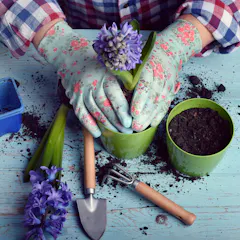
What can gardeners use that isn’t so bad for the climate?
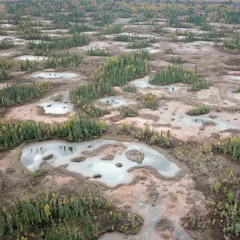
Peatlands store more soil carbon than any other terrestrial ecosystem, including tropical forests. But they have been heavily exploited and damaged. Now, scientists are working to restore them.
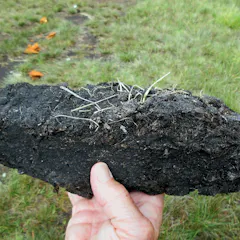
Peat beds around the world hold huge quantities of carbon and keep it from warming the planet. But rising temperatures and over-use could turn them from a brake on climate change into an accelerant.
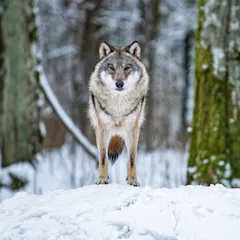
Historians and scientists discovered how colonisation in eastern Europe changed ecosystems – and the societies embedded in them.
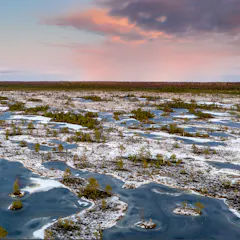
Peatlands will become a major source of greenhouse gases as the permafrost thaws.

Villagers of Sumatra and Kalimantan relunctant to participate in peatland restoration, contributing to the recent forest fires in Indonesia.
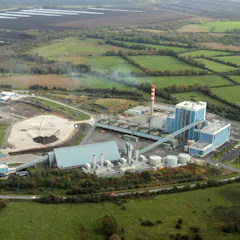
Ireland needs to stop burning peat, and wood from down under presents a surprising sustainability dilemma.
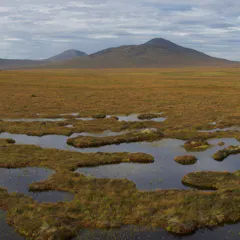
It’s time for farmers to embrace the wetland instead of draining it.
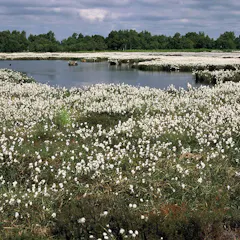
A lesser known aspect of bogs is their remarkable potential to preserve both environmental and archaeological records.
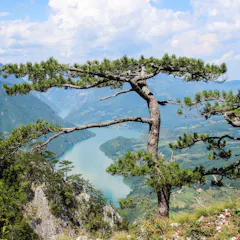
Serbia was pumping out lead pollution while Britain was still in the stone age.

Make that winter dram an intellectual one.
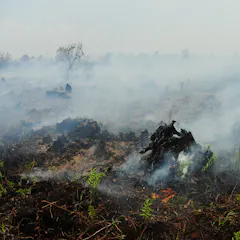
Indonesian peatlands are important to many people: farmers, bureaucrats, businesspeople, and conservationists. But preserving this value for everyone will mean listening to everyone’s concerns.
Top contributors
-

Professor in Natural Sciences, Bangor University
-
Professor, School of Earth, Environment & Society, McMaster University
-
Senior Lecturer, School of Earth Sciences, University of Bristol
-
Lecturer, Geography and Sustainable Development, University of St Andrews
-
Soil Scientist, Australian Centre for International Agricultural Research
-
Research Fellow, Brunel University of London
-
Professor in Warnings and Science Communication, Director of the UCL Warning Research Centre, UCL
-
Lecturer in Physical Geography, University of St Andrews
-
Associate Professor (Reader) in Physical Geography, University of Plymouth
-
Lecturer in Environmental Archaeology, University College Cork
-
Post-doc fellow: Institute for modelling socio-environmental transitions, Bournemouth University
-
Emeritus Strategic Professor in Palaeontology, Flinders University
-
Research Technician, ETH Zurich
-
Professor of Sustainable Agrosystems, ETH Zurich
-
Head of English & Writing, Falmouth University