
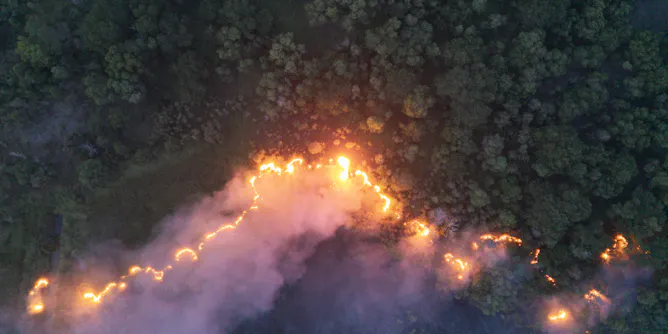
Kalimantan’s land fires aren’t just down to El Niño—they are caused by soil losing its ability to hold water. Prevention must start by restoring the soil’s natural balance.
Articles on peatland
Displaying 1 - 20 of 26 articles

New research measures the effectiveness of peat restoration on wildfire risk.
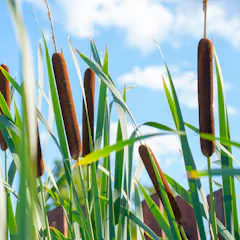
A researcher explains the benefits of a relatively new farming practice called paludiculture.
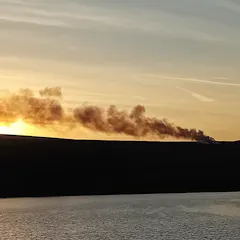
How a new monitoring system improves fire detections and captures the air pollution effects of planned peatland burns.
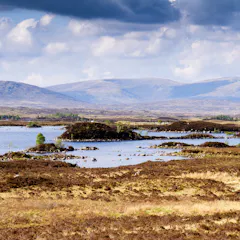
But bad news for peatlands could trigger the funding needed to preserve them.

Organic soils, one of the pillars of Québec’s food self-sufficiency, could disappear within 50 years. Fortunately, the application of straw or wood chips could regenerate these soils.
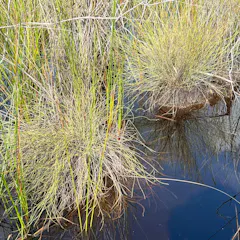
Uniquely, an Australian subtropical peatland ecosystem exists that is not only resilient to the frequent bushfires, but actually needs fire to survive.
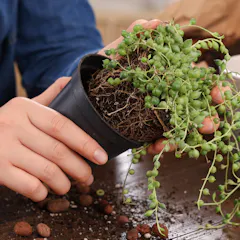
Hidden Peat, a new campaign from The Wildlife Trusts, encourages people to look out for peat-free alternatives and support their wider use.
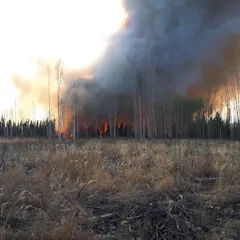
Peatlands safely store hundreds to thousands of years’ worth of humanity’s toxic legacy but climate change and physical disturbances are putting these pollution vaults, and us, at risk.
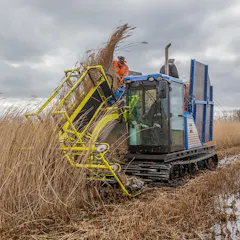
Drained peatlands contribute five per cent of global carbon emissions. Paludiculture, or agriculture on wet peatlands, protects peatlands and allows farmers to maintain their livelihoods.

Increasing rainfall and degrading peatland are threatening archaeological artefacts buried in UK land.
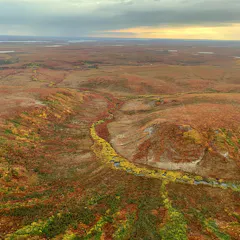
Peatlands play an outsized role in filtering water and mitigating floods, drought and wildfire — and they store twice as much carbon as all the world’s forests.
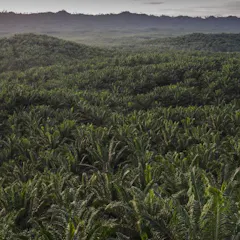
In South Sumatra, the 2015-2018 moratorium reduced the rate of peatland conversion by about 24% compared to the 2000s period.
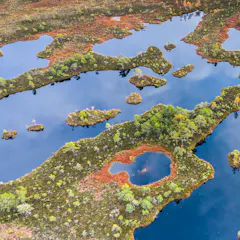
Peatlands worldwide are running short of water, and the amount of greenhouse gases this could set loose would be devastating for our efforts to curb climate change.
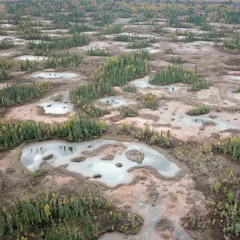
Peatlands store more soil carbon than any other terrestrial ecosystem, including tropical forests. But they have been heavily exploited and damaged. Now, scientists are working to restore them.
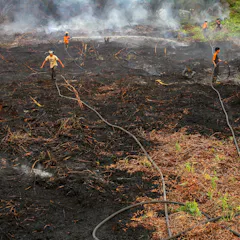
Indonesia’s Peatland Restoration Agency is likely to have its tenure extended by four years. What has been achieved and what should the agency focus on for the next term?
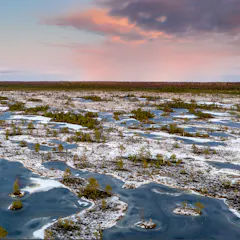
Peatlands will become a major source of greenhouse gases as the permafrost thaws.

Villagers of Sumatra and Kalimantan relunctant to participate in peatland restoration, contributing to the recent forest fires in Indonesia.
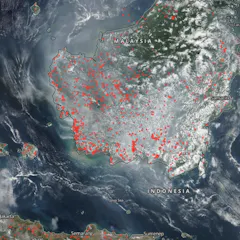
We have developed an online tool to help authorities identify which areas they should focus on for reducing forest fires and haze in order to maximize overall health benefits.
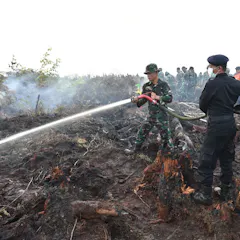
A forest professor tells his experience on the hardships of putting out peat fires in Indonesia
Top contributors
-

Professor, School of Earth, Environment & Society, McMaster University
-
Associate professor, Memorial University of Newfoundland
-
Researcher, Indonesian Institute of Sciences (LIPI)
-
Professor of Ecology, University of the Sunshine Coast
-
Lecturer, Environmental Science, University College Cork
-
Professor, Physical Geography, Stockholm University
-
Senior Lecturer, School of Earth Sciences, University of Bristol
-
Research Fellow, Australian National University
-
Senior Research Scientist, Chinese Academy of Sciences
-
PhD Candidate in Earth and Planetary Sciences, Harvard University
-
PhD Researcher, University of Leicester
-
Assistant Professor, Environmental Health, School of Public Health, Boston University
-
Professor, Department of Geography and Environmental Management, University of Waterloo
-
Assistant professor, Resource and Environmental Management, Simon Fraser University
-
Researcher, Centre for International Forestry Research