

DNA can survive in parchment for well over a thousand years.
Articles on Pathogens
Displaying 1 - 20 of 119 articles
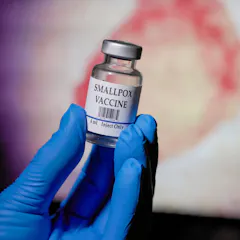
Smallpox DNA from two people buried in Chile reveals the virus’s arrival through European colonisation – but recreating it would require deliberate laboratory work.

From eggs and jalapenos to dog food, granola and pet turtles – it seems like you can catch a Salmonella infection from just about anything these days.

Rather than avoiding fresh produce, adopting a few sensible food safety practices can help cut your risk of infection. Includes video 🎥

Don’t trust your nose – your kitchen sponge could be crawling with salmonella.

Scientists are exploring light-activated nanoparticles to kill biofilms in stored drinking water, aiming to make household water safer in South Africa.
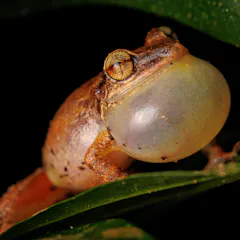
A new study tracks how young frogs are trying to avoid a deadly fungal infection.

A vaccine designed entirely by AI has been tested in people for the first time.
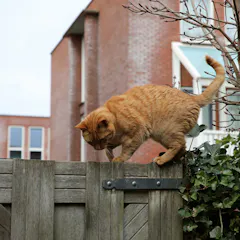
Thinking about how and where your cat roams outdoors can help safeguard biodiversity, feline and wildlife welfare and public health.
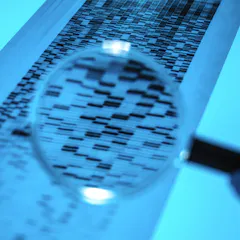
From the Black Death to the COVID-19 pandemic, combining the genetic data of a pathogen with historical records, archaeological artifacts and epidemiological studies can uncover its origins.
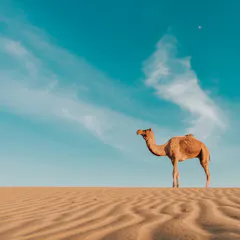
When animals are outside their preferred temperature range, their immune systems can’t fight pathogens well.

From bioweapons to biblical plagues, the bacteria that cause anthrax can persist for decades in harsh conditions and wreak havoc on people and cattle.

Floods can increase the risk of water contamination. A water safety expert explains how you can ensure your water is safe to drink.
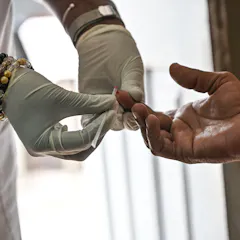
African countries must not sign away their health data or release their pathogens in exchange for donor funding.
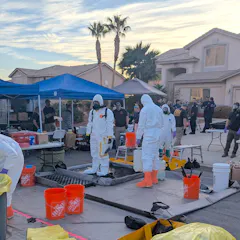
The rise of AI and synthetic biology has made deadly diseases look like a ‘low-risk, high-reward’ option for would-be terrorists.

The highly social lives of many marine mammals brings many benefits. But it also comes with a hidden cost.

When Fusarium graminearum infects wheat, it can pose a risk to humans, animals and agriculture.
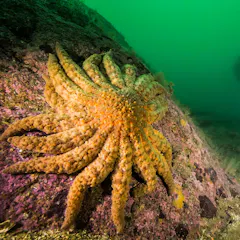
Sea stars are vital to ocean ecosystems; however, a pathogen has been killing them in large numbers, rendering some species critically endangered.

A microbiologist explores the science behind beard hygiene.

We discovered how a plastic-eating enzyme made a germ more harmful.
Top contributors
-

Senior Lecturer in Clinical Microbiology, University of Leicester
-
Associate professor, University of KwaZulu-Natal
-
Professor of Emergency Medicine, University of New Mexico
-
Associate Professor of Biology, Tufts University
-
Special Professor of Phytopathology, Wageningen University
-
Associate professor, University of Sydney
-
Associate Professor of Environmental & Occupational Health, Saint Louis University
-
Food microbiologist and Food safety specialist, CSIRO
-
University of California, Riverside
-
Postdoctoral research fellow, Stellenbosch University
-
Alfred Deakin Professor and Chair in Ecology, Deakin University
-
Postdoctoral fellow, University of South Africa
-
Dean, Public Health, Medical and Veterinary Sciences, James Cook University
-
Senior Lecturer in Ecology, University of Wollongong
-
Associate professor, University of South Africa