
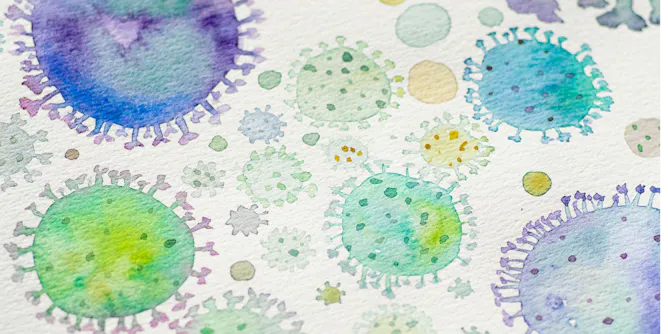
This whirlwind tour of social history describes how infectious diseases have shaped humanity at every stage. It suggests reducing inequality will give us our best chance of surviving future plagues.
Articles on Pathogens
Displaying 41 - 60 of 119 articles

Dangerous fungal infections are on the rise globally. But we have few drugs that work and no prospect of anti-fungal vaccines any time soon.

As tempting as it is, it is not possible to “supplement” oneself out of a bad lifestyle.

An effective nasal vaccine could stop the virus that causes COVID-19 right at its point of entry. But devising one that works has been a challenge for researchers.

Listeria causes serious illness and food recalls nearly every year.

Plant care advice abounds on TikTok, Twitter, Instagram and YouTube – but not all of it is good. A plant expert debunks four common recommendations.
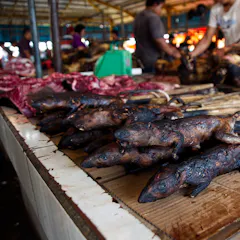
Following the global spread of COVID, there have been widespread calls for blanket bans on the consumption and trade of wild animals. But such bans may have unintended consequences.
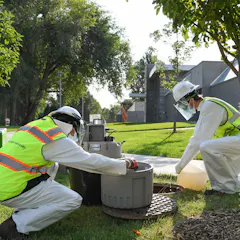
Over 800 sites across the US report coronavirus data from sewage to the CDC. Here’s how this kind of surveillance system works and what it can and can’t tell you.

Normally land-bound pathogens that cause deadly diseases for both humans and animals can cling to microplastics and end up in your seafood.

Some ‘influencers’ are pushing a raw-meat diet. Here’s why you should avoid it.
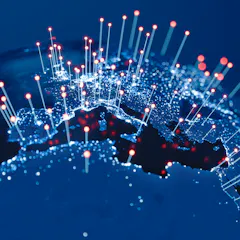
After a nose swab tests positive for a virus or bacteria, scientists can use the sample’s genetic sequence to figure out where and when the pathogen emerged and how fast it’s changing.

The microbiologist who directs the National Emerging Infectious Diseases Laboratories at Boston University explains all the biosafety precautions in place that help him feel safer in the lab than out.
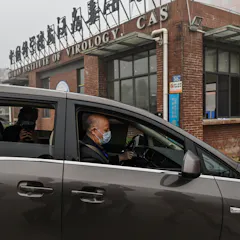
The research community is taking a closer look at the lab-leak hypothesis for the origin of COVID-19, prompting discussion about the risks and benefits of engineering viruses.
Scientists get up close and personal with deadly pathogens to give doctors the tools they need to treat people sickened by germs. The key is keeping the researchers – and everyone around them – safe.
Viruses want to pass on their genetic material. Recognizing this about SARS-CoV-2 provides insight into how the world is still vulnerable to COVID-19.
Technology is allowing scientists to better understand fungal viruses, with the aim of managing them more effectively.

Technology that can identify stray bits of genetic material in the environment can help scientists monitor human and animal health.

Children in the study seemed to display a very strong “innate” immune response.

Water at informal settlements, where sanitation and waste management facilities were absent, had high bacteria levels.
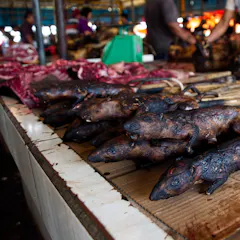
Needed: less wild meat in cities, more wildlife experts in public health.
Top contributors
-

Senior Lecturer in Clinical Microbiology, University of Leicester
-
Associate professor, University of KwaZulu-Natal
-
Professor of Emergency Medicine, University of New Mexico
-
Associate Professor of Biology, Tufts University
-
Special Professor of Phytopathology, Wageningen University
-
Associate professor, University of Sydney
-
Associate Professor of Environmental & Occupational Health, Saint Louis University
-
Food microbiologist and Food safety specialist, CSIRO
-
University of California, Riverside
-
Postdoctoral research fellow, Stellenbosch University
-
Alfred Deakin Professor and Chair in Ecology, Deakin University
-
Postdoctoral fellow, University of South Africa
-
Dean, Public Health, Medical and Veterinary Sciences, James Cook University
-
Senior Lecturer in Ecology, University of Wollongong
-
Associate professor, University of South Africa